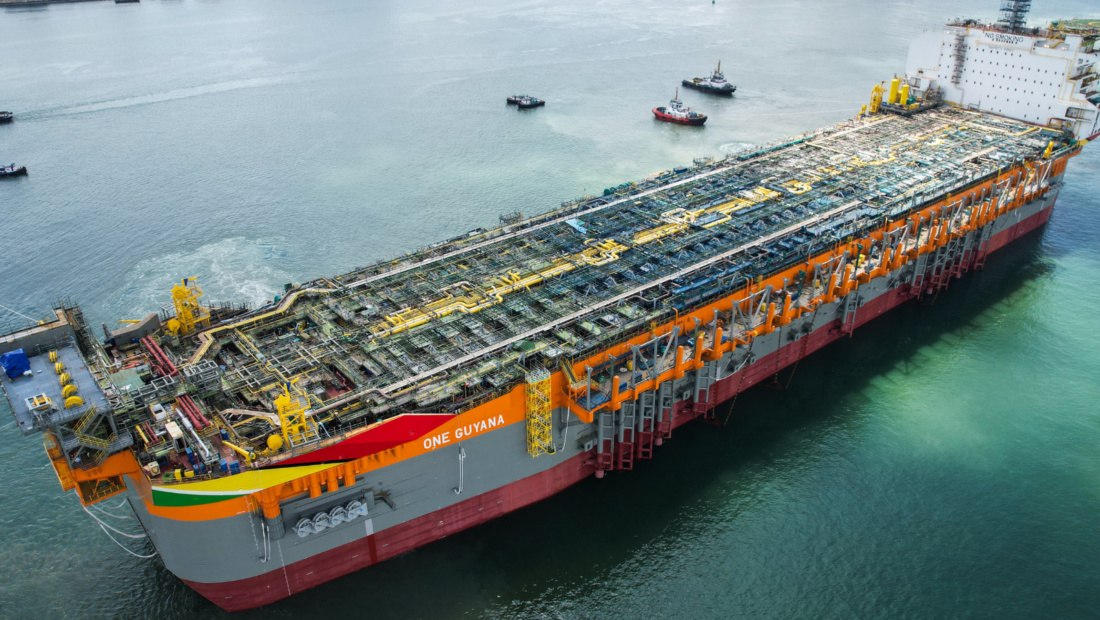
Guyana is positioning natural gas as the next major driver of its economic transformation, with plans to use cheaper and more reliable power to support new industries, expand manufacturing and move the country beyond crude oil exports.
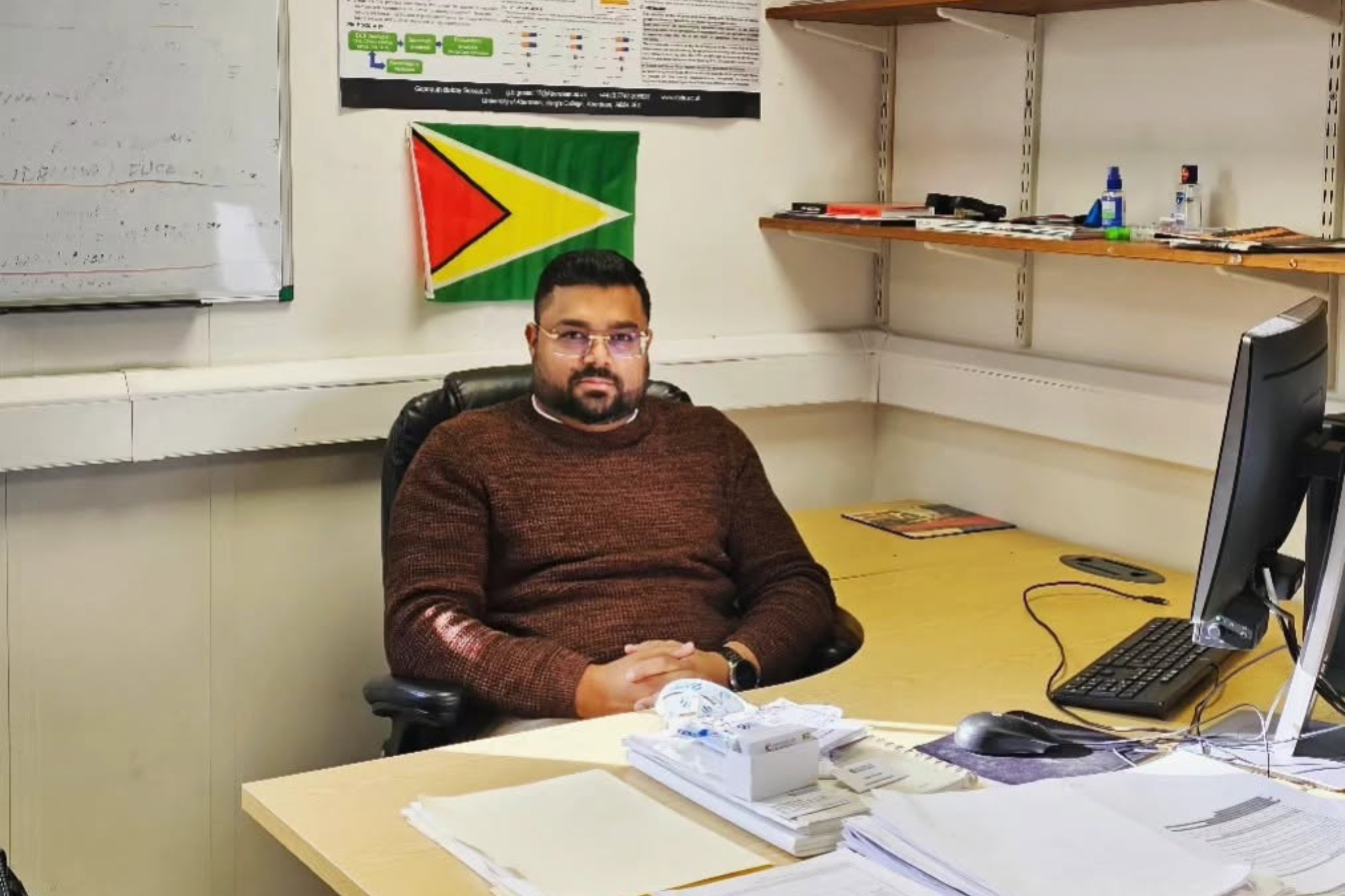
Dr. Bobby Gossai Jr., Senior Petroleum Coordinator at the Ministry of Natural Resources, said Guyana’s petroleum story is entering a new phase in which the country is looking not only at producing and exporting crude oil, but at using its gas resources to support wider industrial development.
Gossai said Guyana’s first gas-to-energy project is already being developed, with the initial priority being electricity generation for the national grid.
He said the project is being treated as an integrated development, covering the distribution network and the systems needed to move power to households and businesses.
“What we want to do is to ensure with cheaper power, stable power and reliable power that more industries can be developed,” Gossai said.
The government has already invited proposals for gas-related industrial projects, including gas bottling plants and an ammonia-urea plant. Gossai said Guyana is also examining other petrochemical industries that could be developed locally.
He said the aim is for Guyana to manufacture some of the products it currently imports, covering both heavy industry and lighter manufacturing.
Gossai said the government is also working on a gas utilisation and monetisation plan, which will help identify opportunities once more gas resources are available for development.
The petroleum official said the government is looking across the full energy value chain, from upstream production, to midstream infrastructure such as the 12-inch pipeline from the Liza 1 and Liza 2 fields to Wales, and then to downstream industries.
He said the question now is what industries Guyana can develop to compete not only within the Caribbean and Latin America, but in wider global markets.
“What industry can Guyana develop to be on a competitive level, not only with the region, but where we can take it to different parts of the world,” Gossai said.
For international investors, the gas strategy points to a possible shift in Guyana’s economic model. Since its first major offshore oil discovery in 2015 and first oil in 2019, Guyana has become one of the world’s fastest-growing petroleum producers. Gossai noted that the country moved from first discovery to first oil within a short period and was producing more than 900,000 barrels of oil per day by December 2025.
But he said exporting crude is only the beginning. Guyana earns revenue from trading its share of profit oil, with those funds going into the Natural Resource Fund. However, Gossai said the country is now focused on developing its gas resources to create additional value within the domestic economy.
That includes potential regional supply opportunities. Gossai said when the government examined a gas bottling plant, it considered not only domestic demand but also the possibility of supplying regional markets.
He said data centres are also among the industries being considered, since they depend heavily on the type, cost and reliability of energy a country can provide.
“As we look to develop the oil and gas sector, we are effectively looking to develop our energy industry that can take us into industrialisation,” Gossai said.
He described industrialisation as the next phase of Guyana’s petroleum development, saying the country wants to move from mainly agricultural production into broader manufacturing, services and eco-industrial development.
Gossai said the term “eco-industrial” is important because Guyana intends to place strong emphasis on environmental management while expanding its industrial base.
The Senior Petroleum Coordinator also identified natural gas development as Guyana’s biggest opportunity over the next decade. He said gas could be moved in different forms, including iso-containers or compressed natural gas, depending on the availability of resources.
He added that the planned second phase at Wales and a possible second pipeline to Berbice could help create an industrial development blueprint for the country.
According to Gossai, the Wales project could become a model for other parts of Guyana, while a larger pipeline to Berbice could open the door to industries that do not currently exist in the country.
He said the broader goal is to use oil and gas as a catalyst rather than an end point.
“The hydrocarbon sector is not what we will depend on. It is the catalyst,” Gossai said, noting that petroleum revenues and energy infrastructure can support expansion in tourism, agriculture, housing, infrastructure, the orange economy, blue economy, data-driven industries, artificial intelligence and ICT.
Gossai said Guyana is also focused on ensuring that local businesses and workers benefit from the sector through laws, policies and local content systems. He said local content is not only about jobs or contracts, but about technology transfer, skills development, partnerships and value addition within Guyana.
He said the government is tracking contractors, employment and spending in the sector, but is also interested in whether local profits are being reinvested in staff, training and business expansion.