
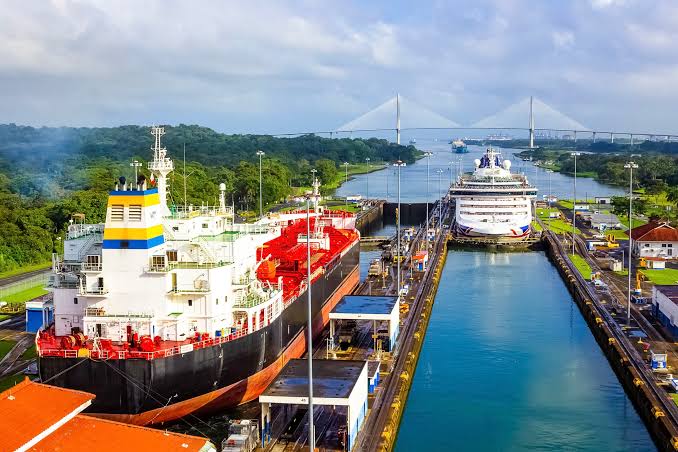
The Panama Canal will restrict vessel traffic from September after rainfall and water inflows fell sharply, reversing an earlier assurance that capacity reductions would not be needed in 2026.
Daily crossings will be capped at 34 vessels from September 4 and reduced to 32 from September 15. The canal had been handling an average of about 35 ships daily through June, although its infrastructure can accommodate approximately 40 under favourable conditions.
The restrictions follow a 34 per cent decline in rainfall between May and August compared with the historical average. Water entering the canal’s watershed was 44 per cent below normal.
The Panama Canal depends on freshwater to raise and lower ships through its locks. Prolonged dry conditions therefore affect both the number of vessels that can cross and the amount of cargo each vessel can safely carry.
From September 4, the larger Neopanamax locks will be limited to nine daily reservation slots. The older Panamax system will initially receive 25 slots before being reduced to 23 on September 15.
The canal authority has postponed two planned reductions in the maximum permitted vessel draft, giving shipping companies some temporary relief. Draft refers to the depth of water required for a loaded ship to float. When draft limits fall, vessels may have to carry less cargo or unload containers before making the crossing.
The restrictions matter far beyond Panama. The canal is a critical route for trade between Asia, the eastern United States, Latin America and the Caribbean. It also handles liquefied natural gas, petroleum products, agricultural commodities, manufactured goods and containerised consumer products.
Reduced capacity could increase competition for reservation slots and raise transit, freight and inventory expenses. Ships unable to secure passage may be forced to wait or use longer routes around South America, adding fuel consumption and delivery time.
Caribbean businesses could face higher landed costs for food, machinery, vehicles, construction materials and retail products. Exporters may also experience longer delivery times, particularly if the restrictions coincide with peak seasonal shipping demand.
The decision is especially important because the canal encountered severe drought-related disruption in 2023 and 2024. Those restrictions caused shipping delays and encouraged some companies to reconsider routes, inventories and supply-chain concentration.
Canal administrator Ricaurte Vásquez has warned that the 2026-2027 El Niño could last longer than previous events. This means September’s reductions may be an early risk-management measure rather than the full extent of the disruption.