A growing business does not only need customers. It also needs enough cash to keep operating while it buys stock, completes work and waits to be paid.
That day-to-day funding requirement is usually described as working capital. In its simplest accounting form, net working capital is current assets minus current liabilities. For an owner or manager, however, the practical question is more immediate: will the business have enough available cash to meet obligations when they fall due?
Growth can increase that pressure. A company may win a larger contract, purchase more materials and hire additional workers before it receives the customer’s payment. Revenue may be rising, but cash can still be tied up in inventory and unpaid invoices.
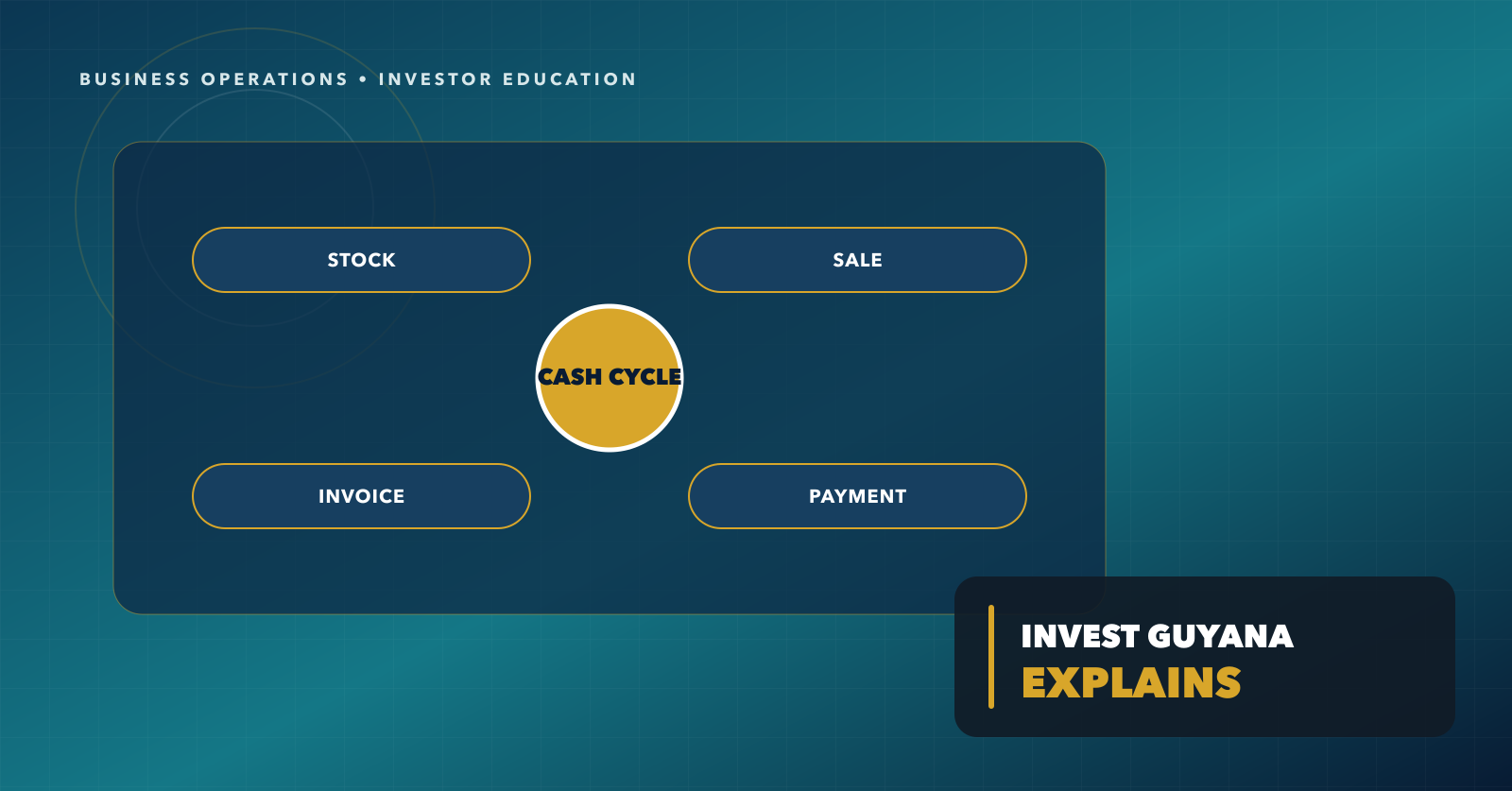
The timing of three operating cycles matters:
- how long inventory is held before it is sold or used;
- how long customers take to pay; and
- how quickly suppliers and other creditors must be paid.
If cash goes out faster than it comes in, the business must finance the gap. It may use retained cash, an overdraft, a short-term loan, supplier credit, an advance payment or receivables financing. Each choice affects cost and risk.
The International Finance Corporation describes supply-chain finance as a way for suppliers to convert receivables into cash and improve working capital. That can help, but financing does not correct weak billing, slow collections, excessive stock or poor cost control.
Investors and lenders therefore look beyond annual profit. They examine receivable ageing, inventory movement, payment terms, available credit and short-term cash forecasts. A profitable company with unreliable collections can be riskier than a lower-margin company that turns sales into cash quickly.
The most useful management response is a rolling cash forecast. It should show expected receipts and payments by week, identify the lowest projected cash balance and make assumptions visible. The forecast is not a promise; it is an early-warning system.
Working capital is ultimately about timing. Growth creates value only if the business can finance the period between doing the work and receiving the money.