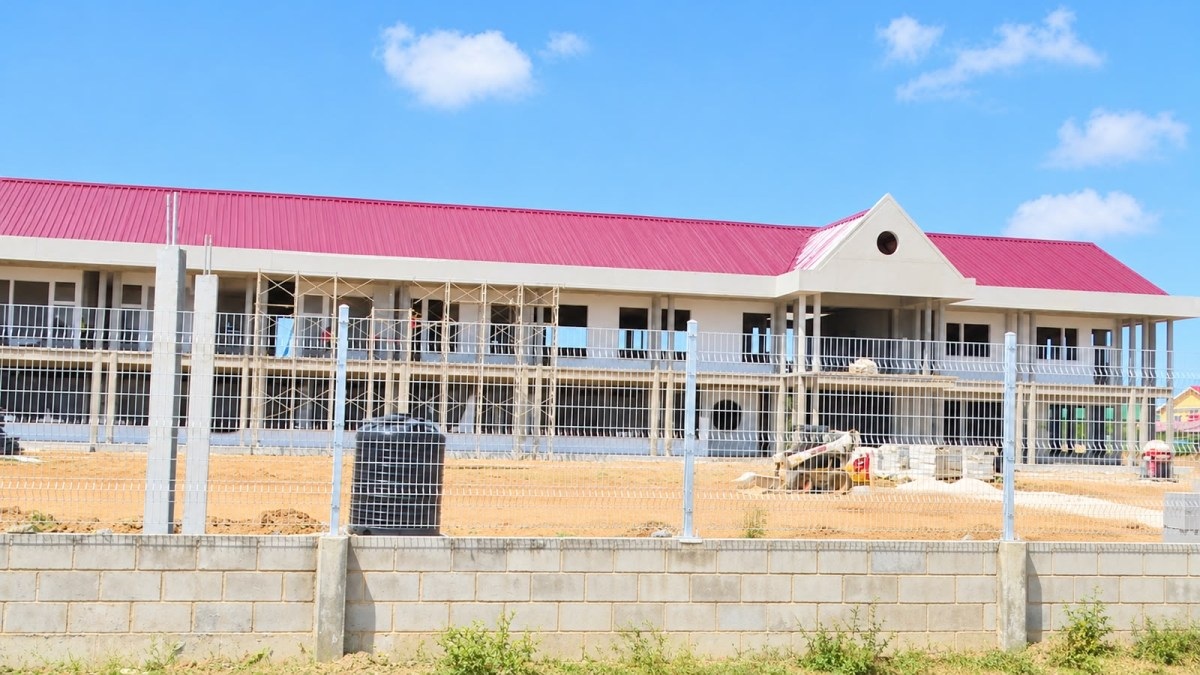
Guyana’s Hospitality and Tourism Training Institute at Port Mourant, Berbice, is approximately 80% complete and is targeted for construction completion by the end of 2026, according to a 9 October government update.
Photo: Department of Public Information, Guyana.
The project is material for tourism investors because it is intended to expand the supply of formally trained hospitality workers while creating near-term demand for equipment, furnishings, technical services and curriculum support. The latest update is a construction milestone, not an announced opening date or enrolment call.
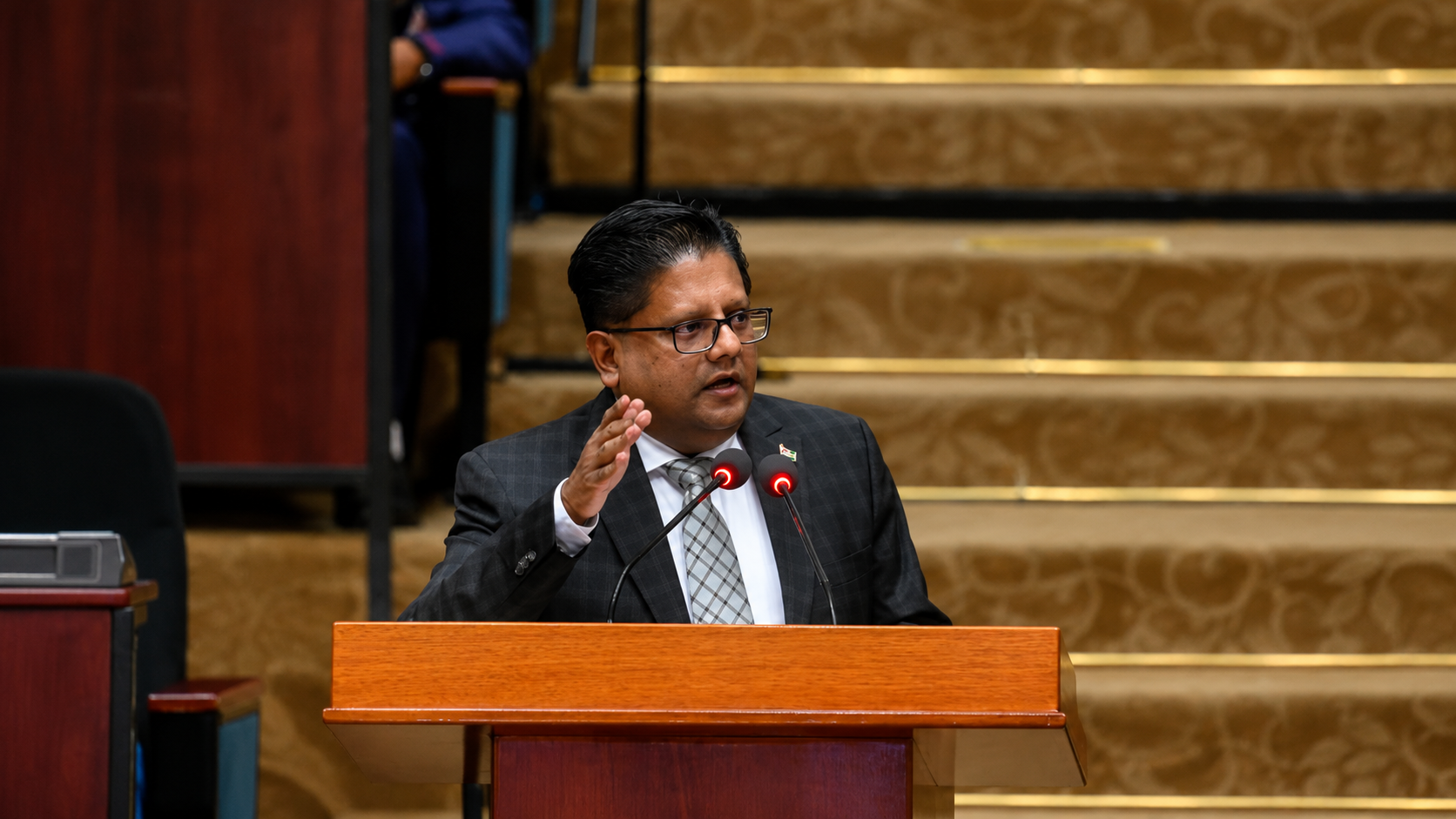
Tourism Minister Susan Rodrigues met Education Minister Sonia Parag and representatives of Niagara College to review progress and curriculum development. The government said the curriculum work is being aligned with the needs of the tourism and hospitality industry, including occupational requirements, skills gaps and required competencies.
Budget documents show a G$3.61 billion project
The Ministry of Finance’s 2026 Budget Estimates, Volume 3, provides independent primary-source support for the project. It lists the Hospitality Training Institute in Region Six as an ongoing Ministry of Education project covering construction, capacity building, furniture and equipment.
The budget profile records a total project cost of G$3.610 billion, with G$832.46 million spent before 2026 and G$2.225 billion budgeted for 2026. Its programme horizon runs from 2021 through 2027. That is important context: the government’s year-end 2026 statement refers to expected construction completion, while the broader budget programme—including equipment and capacity-building components—extends into 2027.
The budget evidence confirms that this is a funded public-infrastructure programme rather than an early concept. It does not establish when teaching will begin, how many students will be admitted, which courses will be offered or what fees may apply.
Procurement is moving alongside construction
The National Procurement and Tender Administration’s award records show continuing activity around the institute. A June 2026 award records G$451.43 million for Lot 2 construction works to MSR International Enterprise. Separate August 2026 records show multiple awards for hospitality equipment and furniture to Western Science Company.
An earlier NPTA tender-evaluation notice also identifies the project as construction of a new hospitality training institute at Port Mourant, Region Six. Together, the budget and procurement records corroborate the physical-development update and show that the project includes both the building and the tools needed for training delivery.
Why the institute matters for investors
Guyana’s hotel, restaurant and tourism operators have a direct interest in the quality and availability of trained workers. A national institute with industry-linked curricula could reduce onboarding costs, improve service consistency and create a more visible recruitment pipeline for new and expanding properties.
For suppliers, the remaining project scope may support demand for commercial-kitchen systems, laundry and housekeeping equipment, classroom technology, furniture, maintenance services, training materials and specialist instruction. Any commercial opportunity must still be confirmed through an official tender or programme notice; the progress announcement itself is not a solicitation.
Training providers and international institutions may also see partnership potential in curriculum design, instructor development, accreditation and work-placement systems. Niagara College’s participation in the latest review is evidence of an international technical relationship, but no new partnership terms or private-entry mechanism were disclosed.
What remains to be confirmed
The next investor-relevant disclosures will be the institute’s opening timetable, governance and accreditation arrangements, student capacity, course catalogue, instructor recruitment, fee structure and links with employers. Businesses will also want clarity on internships, apprenticeships and whether programmes will be tailored to the needs of hotels, restaurants, tour operators and related services.
Execution risk remains between construction progress and a functioning training institution. Equipment must be installed and maintained, curricula approved, instructors recruited and operating budgets sustained. The 2027 end date in the budget profile is a useful reminder that completion of the building is only one part of the programme.
Even with those uncertainties, reaching approximately 80% construction is a credible project-advancement signal. It moves Guyana closer to a dedicated hospitality workforce platform and gives tourism operators a concrete public investment to factor into medium-term staffing and expansion plans.
Primary update: Department of Public Information, 9 October 2026.