
Guyana hosted more than 20 conferences and exhibitions in 2026, drawing over 20,000 attendees—including more than 12,000 overseas conference visitors—as the country expands business tourism and prepares a five-year national tourism policy.
Photo: Department of Public Information, Guyana.
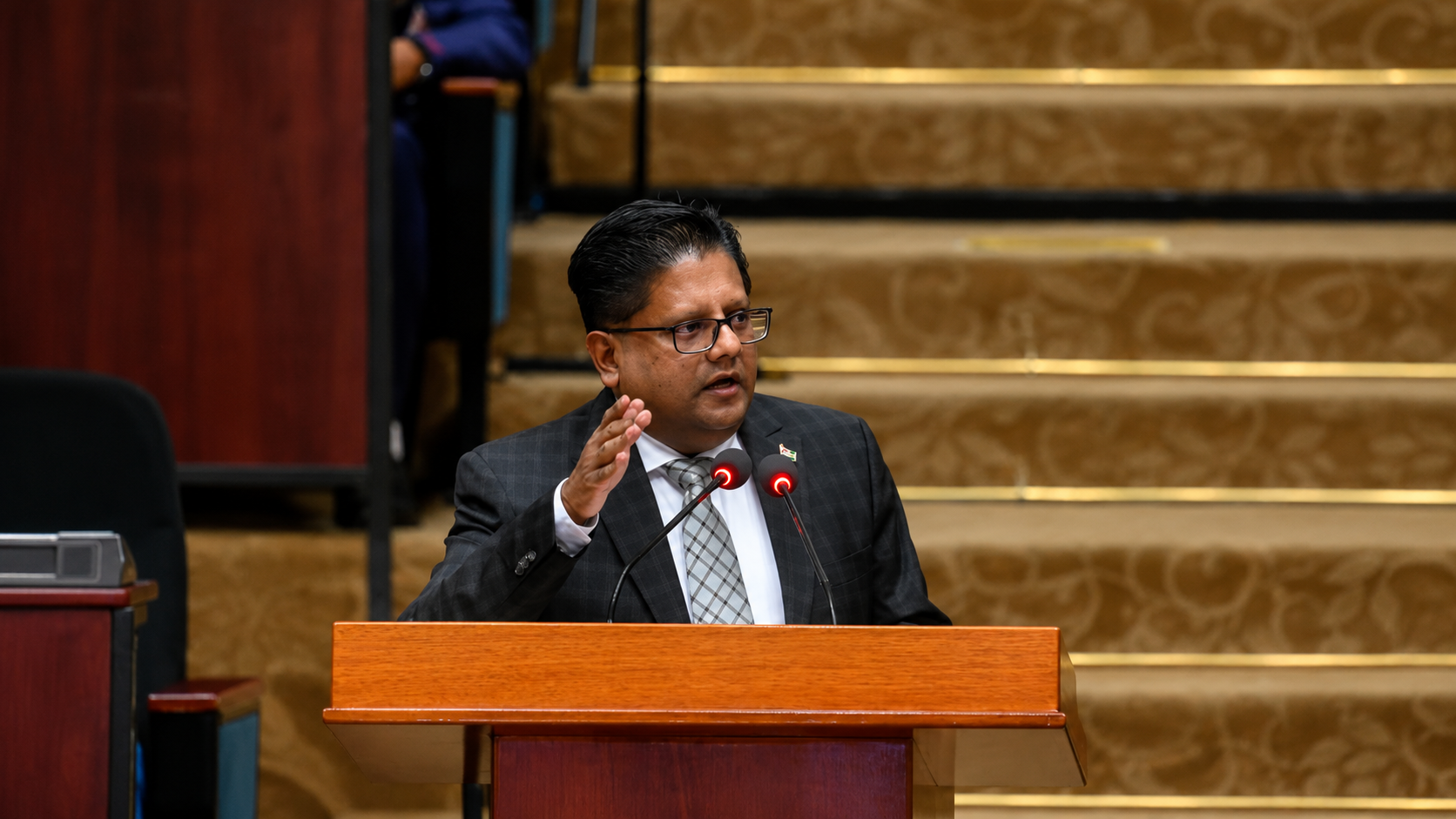
The updated figures were presented by Guyana Tourism Authority Director Kamrul Baksh at the State of the Tourism Industry Conference on 9 October. They provide a new measure of the meetings, incentives, conferences and exhibitions market, commonly known as MICE tourism.
For investors, the importance goes beyond visitor counts. Conference travel creates concentrated demand for hotel rooms, venues, catering, transport, event production, digital services and post-event leisure products. The government update also links this growth to improved air connectivity, new accommodation and a broader push into adventure, cultural, sports, health-and-wellness and agritourism products.
Conference tourism is becoming a distinct demand segment
The GTA said more than 20 conferences and exhibitions were hosted during 2026, attracting over 20,000 attendees. More than 12,000 visitors travelled specifically for conferences. These are official sector figures and have not yet been published as a complete statistical series, so they should not be treated as a substitute for audited visitor-arrival or expenditure data.
Independent reporting earlier in the year supports the direction of travel. News Room Guyana reported in August that 18 major conferences were scheduled for 2026, 12 had already been completed, and conference arrivals had exceeded 10,000. The later GTA figures are consistent with continued growth after that update.
The commercial opportunity is distributed across the value chain. Hotels and venues gain room nights and event bookings, while local firms can supply staging, audio-visual systems, interpretation, security, food service, ground transport, destination experiences and delegate support. The figures do not by themselves establish profitability or a guaranteed pipeline; investors still need event calendars, seasonality, room-rate data and procurement terms.
Visitor growth is adding pressure and capacity
Guyana welcomed more than 453,000 visitors in 2025, a 22% annual increase, according to earlier official and independent reporting. The 2026 national budget says accommodation capacity expanded by 42% over five years, including 738 new rooms in 2025, and projects more than 1,000 additional rooms in 2026 to lift the national total above 5,600.
That pipeline improves the country’s ability to host larger events, but it also raises execution questions. New supply needs trained staff, reliable utilities, airlift, maintenance, destination management and strong occupancy outside peak event periods. Operators should test projects against realistic conference conversion rates rather than headline arrival growth alone.
The Ministry of Finance also reported 24 expressions of interest for eco-lodges and resorts, signalling a continuing pipeline beyond conventional city hotels. Investors should verify which opportunities progress into formal tenders, concessions or development agreements before treating them as investable projects.
A national tourism policy is due to formalise priorities
The government is preparing a national tourism policy and strategic action plan for the next five years. An April ministry statement said the work is being carried out with the Tony Blair Institute and will address infrastructure, air connectivity, destination marketing, product development, service quality, workforce capacity and support for small and community-based enterprises.
Guyana Chronicle reported in August that the policy was expected by year-end after 55 consultations and would cover eco-tourism, sports, cruises and MICE development. Publication of the final policy will be the key test: investors will need implementation priorities, responsible agencies, timelines and any associated incentives or procurement routes.
Sustainability claims need measurable standards
The GTA said around 60% of operators comply with relevant green practices and that certification is being extended across the sector. Guyana’s approximately 80% forest cover and community-owned tourism model are central to its destination proposition, but the new compliance figure requires methodological detail.
Operators and financiers should look for the certification standard, audit process, sector coverage and renewal requirements. Clear criteria would help distinguish verified environmental performance from general marketing claims and could create demand for energy, water, waste, training and certification services.
What investors should watch next
The immediate watchpoints are publication of the national tourism policy, a fuller 2026 arrivals and expenditure dataset, the 2027 conference calendar, new air-service capacity, hotel openings and any formal tourism tenders or concessions. Event organisers will also want clarity on venue capacity, customs and equipment procedures, local supplier directories and support for bidding on regional conferences.
Guyana’s conference-tourism numbers now indicate a material business-travel segment rather than an occasional event stream. The opportunity is credible, but its durability will depend on repeat bookings, stronger data, consistent service standards and policy execution.
Primary update: Department of Public Information, 9 October 2026.