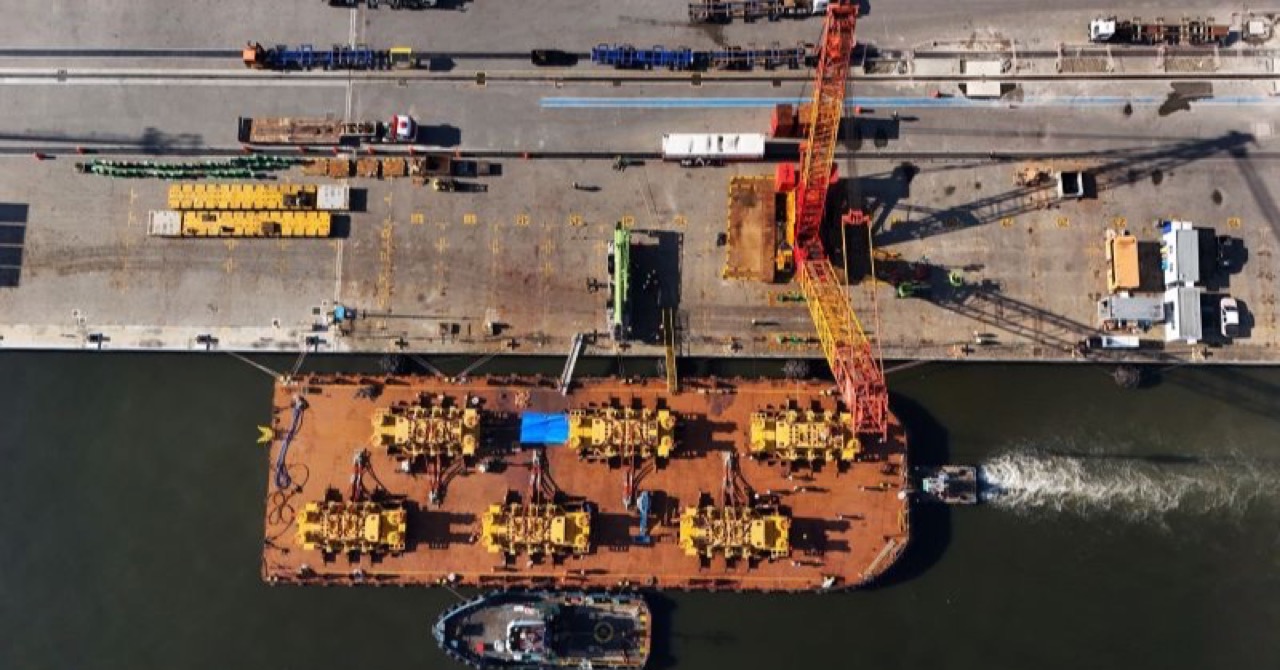
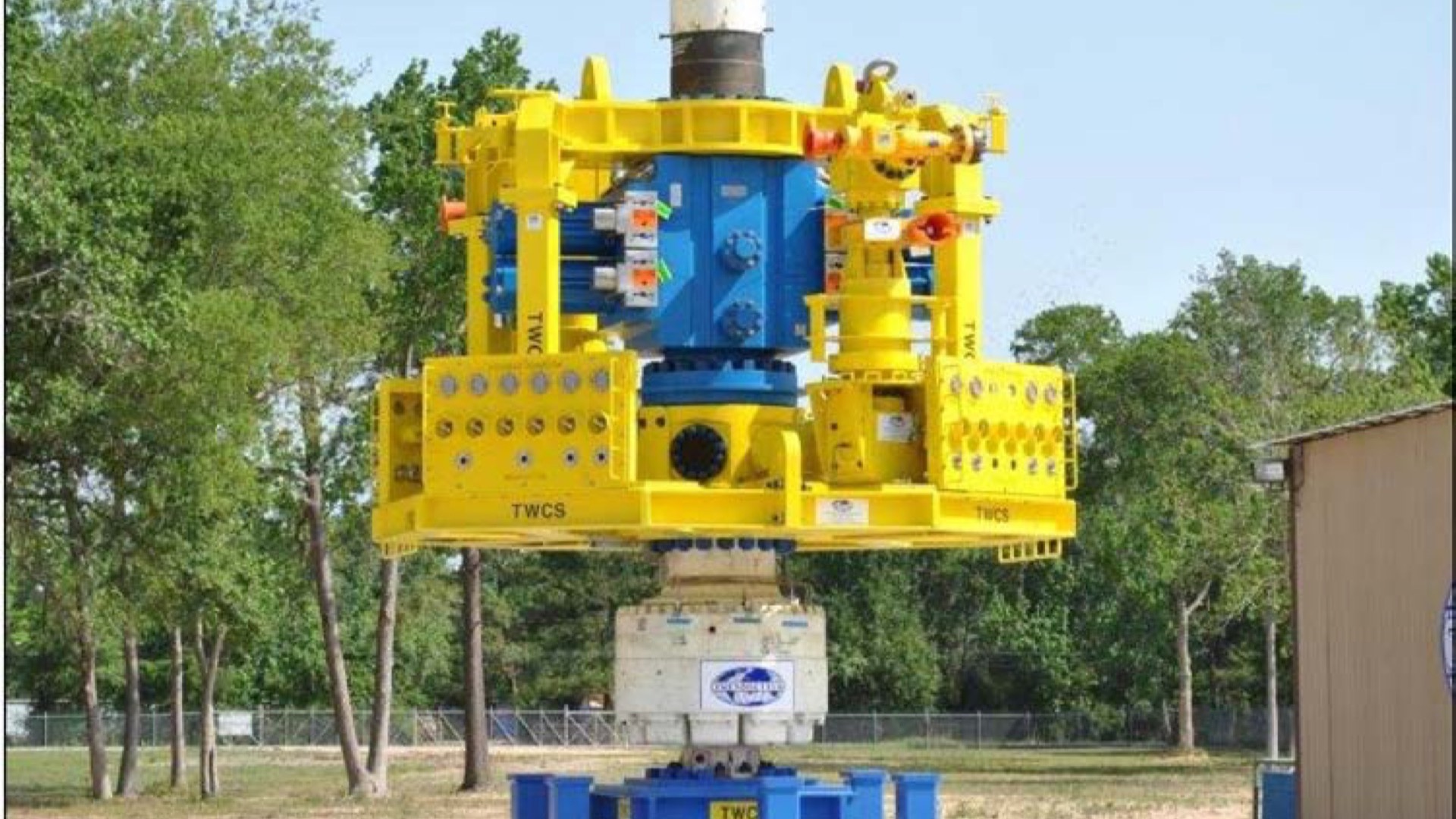
Representative—not the OSRL Guyana unit or VEHSI facility. U.S. GAO/Wikimedia Commons, public domain.
Oil Spill Response Limited has officially opened a subsea-response facility at Vreed-en-Hoop Shore Base Inc. (VEHSI), establishing a dedicated location in Guyana for specialist equipment, maintenance, training and emergency-response exercises.
The facility is located within the Emergency Response Base at VEHSI and houses the OSRL Guyana Capping Stack, along with associated subsea well-intervention equipment.
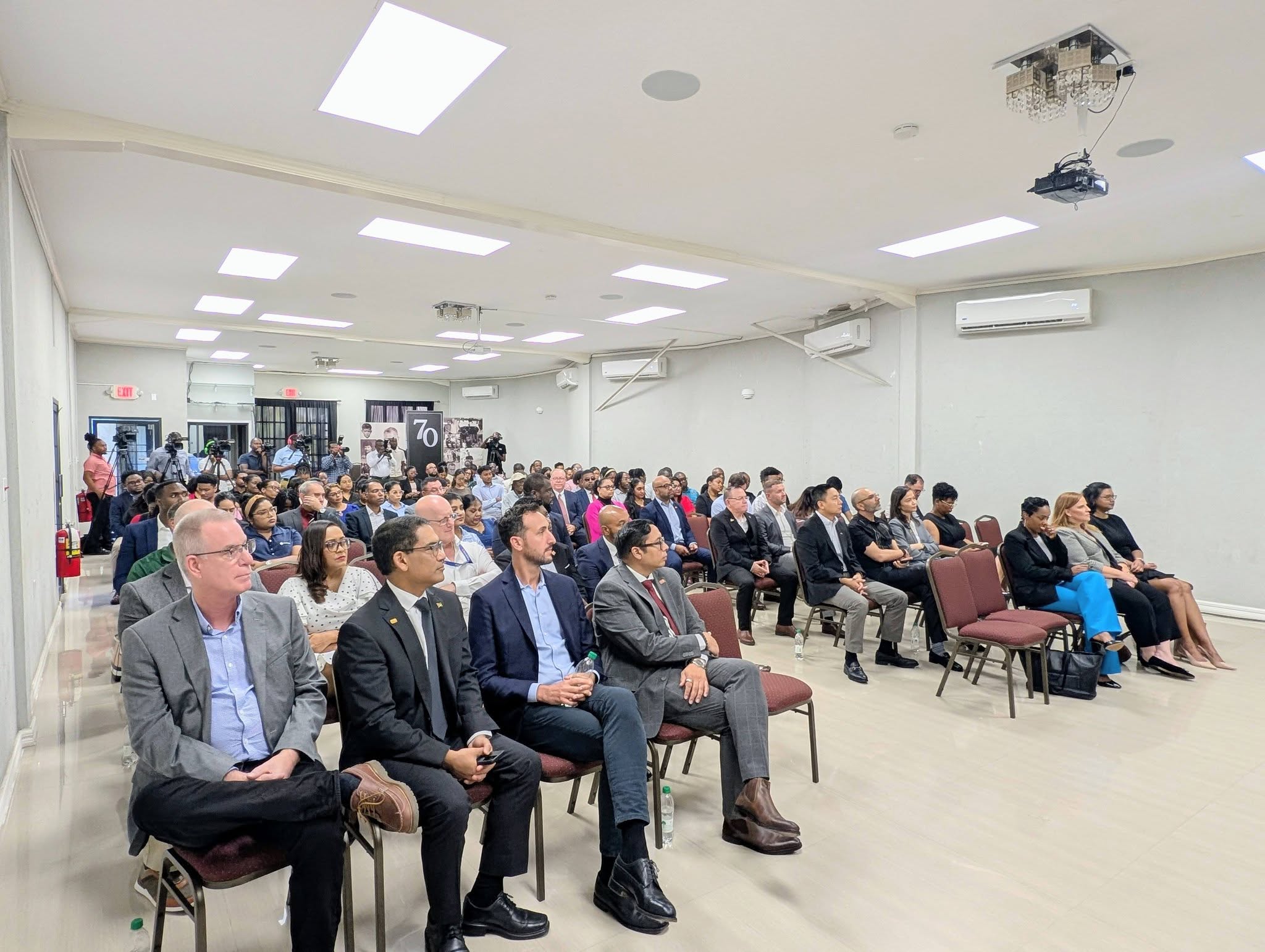
OSRL marked the opening on August 19 with a regional preparedness forum involving representatives from eight countries. Guyana’s Civil Defence Commission, Environmental Protection Agency and Maritime Administration Department were among the agencies represented.
Equipment relocated to the new facility
The opening represents a change in the equipment’s operating location rather than the arrival of a new capping stack in Guyana.
The capping stack was commissioned in Guyana in 2024 and was previously housed at Guyana Shore Base Inc. OSRL said its Global Rapid Response System and associated subsea equipment have now been transferred from GYSBI to the new facility at VEHSI.
Guyana has therefore had access to the specialist equipment since 2024. The latest milestone places it within the Emergency Response Base at the Vreed-en-Hoop shore base.
A capping stack is designed to be installed on a damaged subsea well to control the uncontrolled release of oil or gas. It is an emergency-response asset and should not be confused with equipment used for routine offshore operations or general surface-spill cleanup.
According to the Guyana Government, the unit weighs approximately 42 tonnes, stands 6.8 metres high and is rated for pressures of up to 15,000 pounds per square inch. It can be used at water depths of up to 3,800 metres and is supported by equipment including heavy shears for removing debris around a damaged well.
OSRL describes the Guyana unit as one of six capping stacks in its own global network.
Faster access, but deployment still requires mobilisation
The main operational advantage identified by the government is the removal of a longer international mobilisation process.
In June, Natural Resources Minister Vickram Bharrat estimated that transporting the capping stack to an offshore incident could take approximately two to three days now that it is stationed locally. Before an in-country unit was available, operators depended on access to equipment stored in Houston, which the minister said could take about one week to mobilise.
Those figures are government estimates rather than a guaranteed response time. The government release did not provide a fixed deployment commitment for every possible incident.
The equipment also does not prevent an offshore incident. Its role is to provide operators and response teams with a method of bringing a damaged well under control if required.
Facility will support training and regional preparedness
OSRL said the new facility will be used to maintain response equipment, conduct training and exercises, and strengthen coordination among offshore operators, government agencies and emergency-response organisations.
Participants in the opening forum also toured ExxonMobil Guyana’s new Emergency Response Building and reviewed the capabilities available at the shore base.
When the capping-stack service was commissioned in 2024, OSRL identified ExxonMobil Guyana as its inaugural subscriber and said coverage could be offered to other operators in Guyana and the wider region.
OSRL said the facility strengthens its regional presence as offshore activity grows across the Equatorial Margin. The organisation has not announced any additional subscribing operators or disclosed the commercial arrangements under which other companies could access the equipment.
What investors and businesses should watch
For businesses supporting Guyana’s offshore sector, the opening expands the emergency-response infrastructure physically located in the country and establishes a permanent venue for equipment maintenance, exercises and specialist training.
The announcement did not identify new procurement opportunities arising from the facility. It also did not disclose the cost of the facility, its staffing level, the number of Guyanese personnel assigned to the operation or a schedule for future regional exercises.
Those remain important points for businesses assessing whether the new facility will generate additional demand for local marine logistics, equipment inspection, lifting, transportation, training or emergency-planning services.