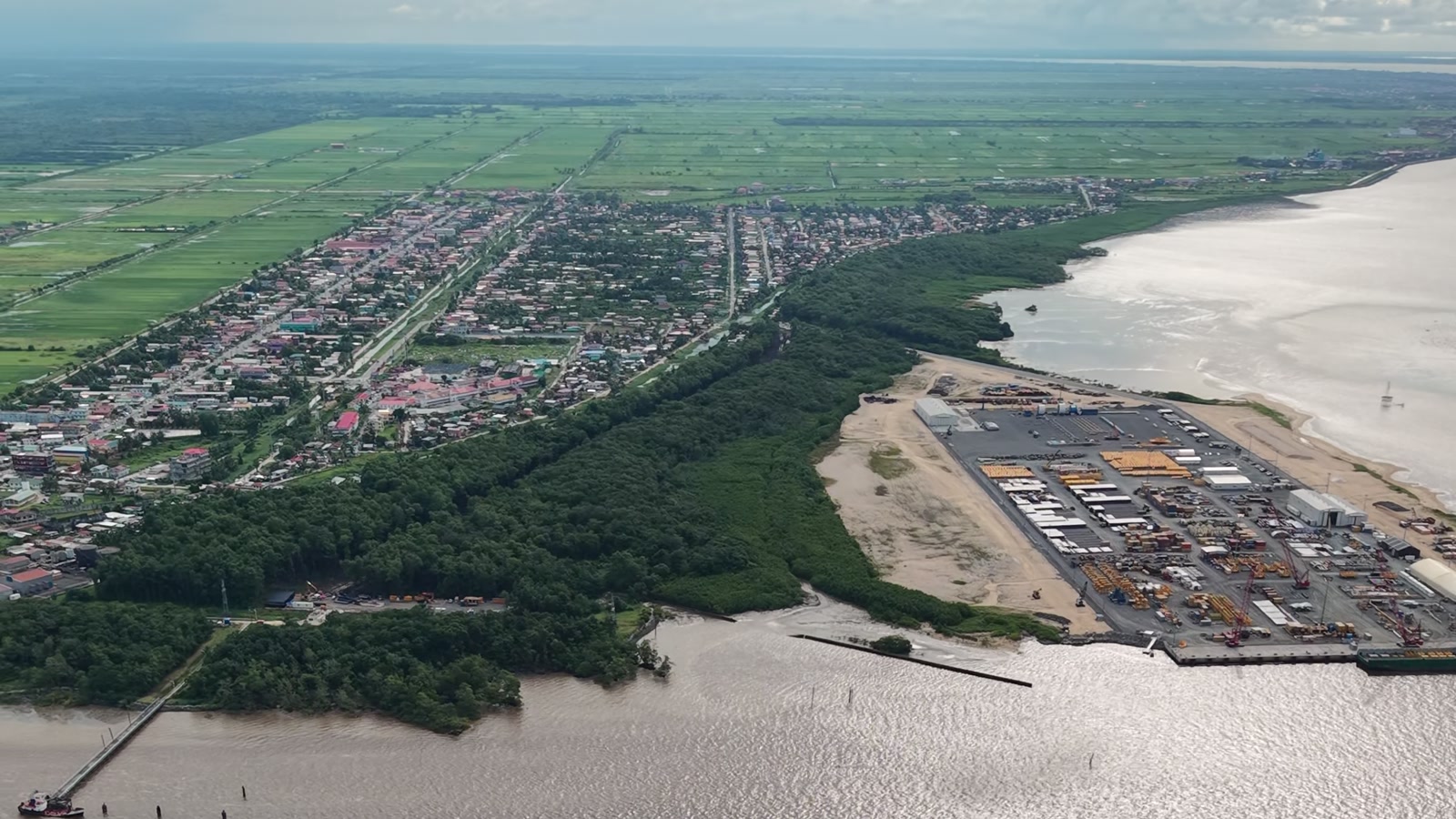
File image: the West Bank Demerara waterfront.
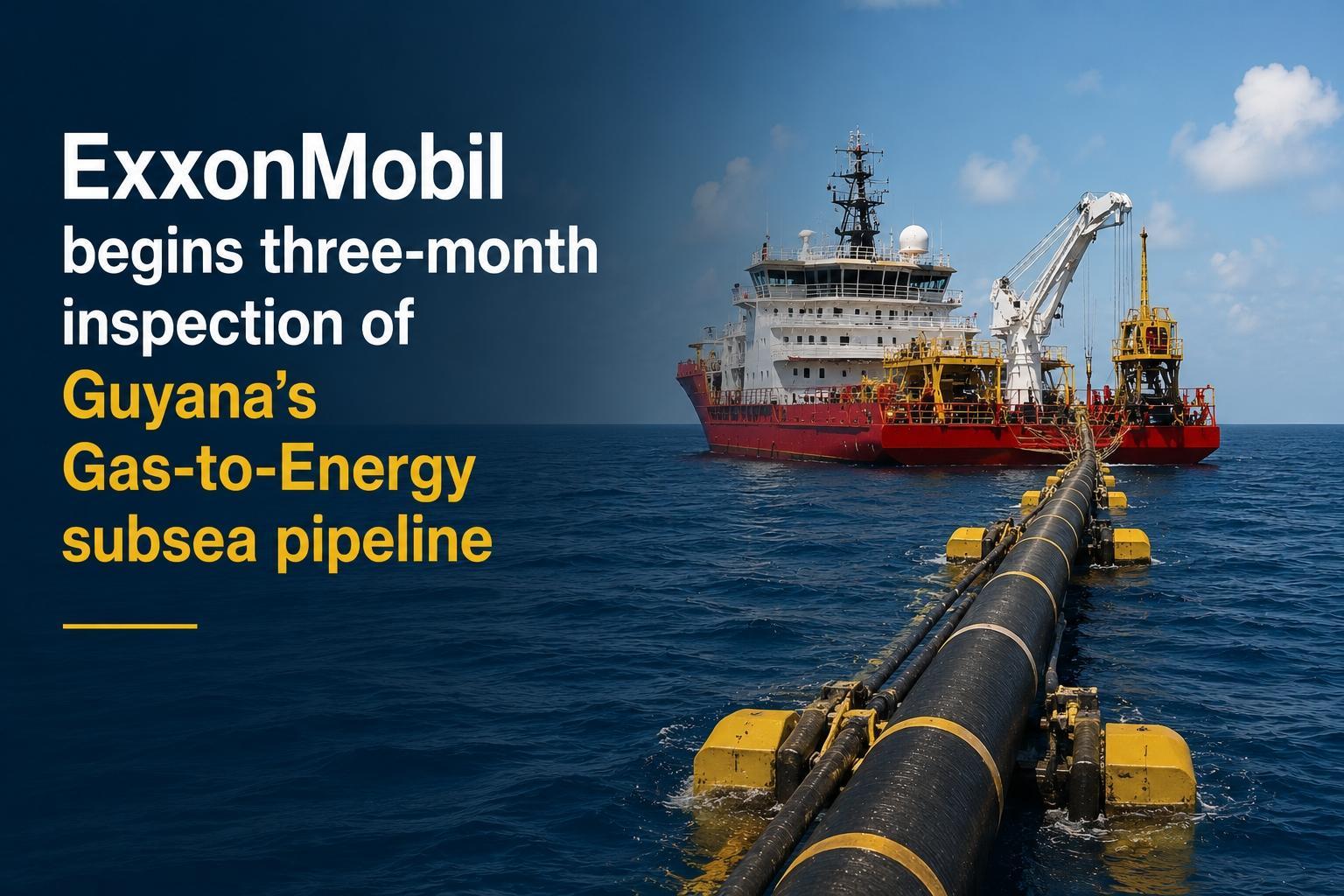
ExxonMobil Guyana has moved two of Longtail’s biggest pieces of work beyond preliminary engineering. SBM Offshore said on 17 November that it had won contracts to build and install the project’s floating production vessel. Saipem said the same day that it had been cleared to carry out the remaining subsea work. Saipem put the total value of its contract at US$1 billion to US$1.5 billion and expects the remaining activities to take around four years.
The two announcements put contractors against work that was still preliminary when Invest Guyana covered Longtail’s investment decision. They also show where the work will be done. Saipem plans to fabricate equipment in Sardinia, Italy, and manage Guyana-side logistics from the Vreed-en-Hoop Shorebase. SBM says it intends to source some fabrication locally, but did not name Guyanese firms or say how much of the work it plans to place here.
From preliminary work to construction contracts
Longtail needs both a vessel at the surface and a system on the seabed to connect the wells to it. SBM is responsible for the floating production, storage and offloading vessel, or FPSO. It expects to operate the vessel for an initial 10 years and did not disclose the value of its award. Saipem’s package covers the subsea structures, pipes and control lines that connect the wells to the production system. The equipment will operate in water roughly 1,750 metres deep.
In April, Saipem’s limited notice to proceed covered about US$150 million in early engineering and procurement and put the eventual overall contract value at US$750 million to US$1.5 billion. The November estimate raises the bottom of that range to US$1 billion; the upper end is unchanged. The new range describes the overall subsea package, not a separate new outlay on top of the April notice or an increase in Longtail’s US$12.5 billion planned investment.
Where Guyanese businesses fit
Vreed-en-Hoop is the clearest local detail in the new contract disclosures. The shorebase opened in January 2025 on the Demerara River. Its project summary filed with the Environmental Protection Agency lists storage, vessel support and logistics. Those are existing shorebase capabilities, not new Longtail orders. For Guyanese firms that handle cargo, store equipment or support marine operations, Saipem’s choice identifies where its Guyana logistics will be managed. It does not identify which services will be put out for bid, who will buy them or when.
SBM also says it plans to bring Guyanese engineers into project delivery and operations. The signal suppliers should look for now is a tender or subcontract notice that names the buyer, spells out the work and gives a deadline. The Local Content Secretariat’s annual-plan guidance distinguishes planned procurement from ongoing contracts. That matters for a business deciding whether to invest in equipment or hire ahead of a bid.
ExxonMobil is targeting first production in 2030. SBM’s design calls for the vessel to process 1.2 billion standard cubic feet of gas a day and produce up to 250,000 barrels of condensate, a light liquid hydrocarbon, a day. The vessel will have storage for about two million barrels of condensate. Those are design figures for the offshore equipment, not contracted sales or volumes available at an onshore plant. ExxonMobil says getting gas ashore still depends on separate investment decisions, market demand and infrastructure.