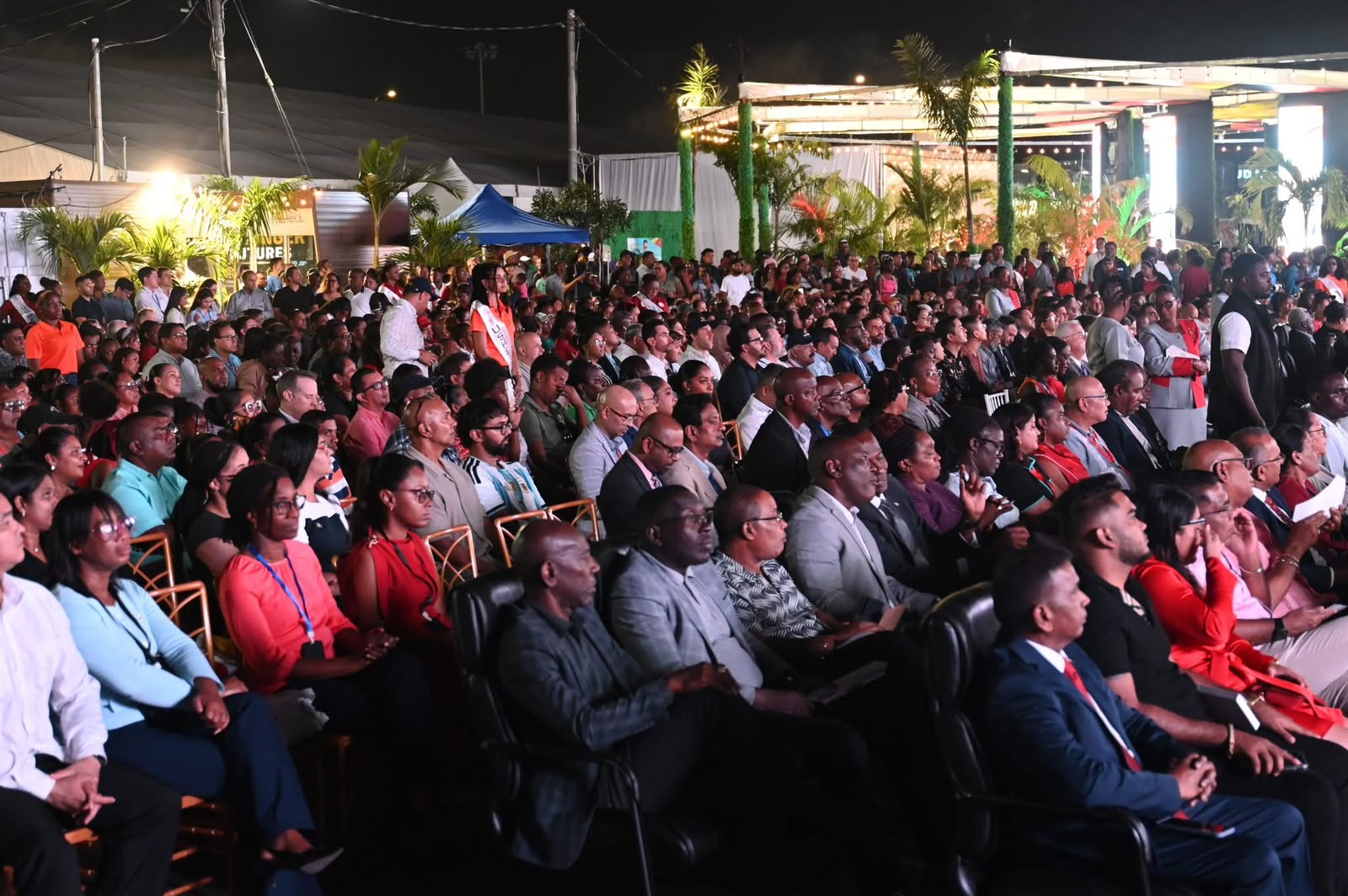
Photo: Department of Public Information, Guyana.
Guyana is preparing to commission a new maritime rescue system designed to receive satellite distress alerts directly and coordinate emergency responses from a dedicated national centre, an infrastructure upgrade with implications for commercial shipping, offshore operations, fishing, ferry services and marine tourism.
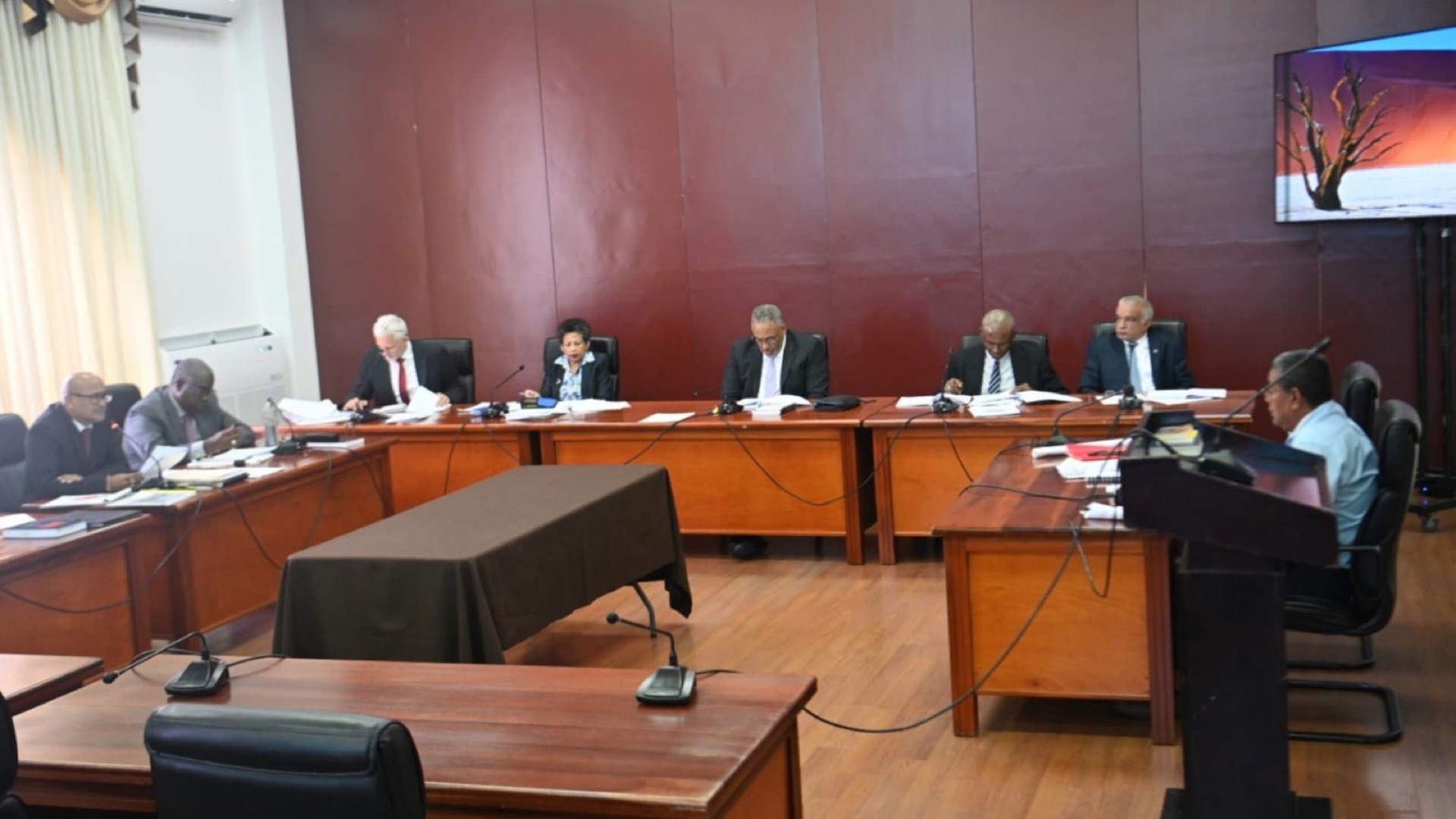
Captain John Flores, the Maritime Administration Department’s emergency operations coordinator, told the Presidential Commission of Inquiry into the MV Barima tragedy that the Maritime Rescue Coordination Centre was expected to be formally commissioned by the end of the following week.
The statement was made on October 22. Familiarisation training and formal handover to MARAD remained outstanding at that point, so the system should be described as nearing operation—not as already commissioned.
Official procurement records give the project a clearer financial dimension. The National Procurement and Tender Administration lists a G$150,650,500 contract awarded to Gopie Investments Inc. for the supply, delivery and installation of a Maritime Rescue Coordination Centre and Sub-MRCC. The award is dated December 20, 2024, while Flores said the contract began in March 2025.
Removing a relay from the alert chain
Under the arrangement described to the commission, distress alerts from the United States Mission Control Center in Maryland are currently received by the air-traffic-control tower at Cheddi Jagan International Airport. They are then relayed to the Guyana Defence Force Coast Guard, Air Corps and MARAD’s emergency team.
Flores said the new centre would receive those alerts directly once commissioned, removing the airport tower from that transmission chain.
The system is part of the international Cospas-Sarsat search-and-rescue network. When a compatible 406 MHz emergency beacon is activated, satellites relay its signal through ground infrastructure to a mission-control centre. The relevant distress information is then routed to the appropriate rescue authority or search-and-rescue point of contact.
The United States Mission Control Center, operated by the US National Oceanic and Atmospheric Administration, is based in Suitland, Maryland, and operates continuously. Direct delivery to Guyana’s rescue coordination function should reduce reliance on an intermediate domestic relay, but the official material reviewed does not quantify how many minutes may be saved or guarantee a particular response time.
That distinction is essential. Faster, more direct alerting can improve the information flow that begins a rescue response. The outcome of an emergency will still depend on beacon operation and registration, verification, weather, location, available vessels or aircraft, trained personnel, communications and coordination among agencies.
Coverage beyond the central facility
Flores said the government plans to establish sub-centres along the coast and that satellite, long-range and medium-frequency radio systems would raise coastal communications effectiveness to approximately 90 per cent.
The published report does not provide a coverage map, identify the proposed sub-centre locations or state when each site would become operational. It also does not define the measurement behind the 90 per cent estimate. The figure should therefore remain attributed to Flores rather than presented as independently verified national coverage.
Shortwave radios and other equipment have reportedly been installed. Technical components were built in France to International Aeronautical and Maritime Search and Rescue Manual and International Maritime Organization standards, according to the testimony. The team was already working from the MRCC building, with three personnel providing round-the-clock coverage and additional staff available when required.
The IMO says rescue coordination centres should be capable of receiving distress alerts continuously and should maintain current information on search-and-rescue facilities, communications and operating plans. The IAMSAR Manual, jointly published by the IMO and International Civil Aviation Organization, provides a common framework for organising and coordinating aviation and maritime rescue services.
Why the system matters to the maritime economy
Guyana’s marine operating environment is becoming more commercially important. Offshore petroleum operations, port activity, ferry transport, fishing, cargo movement and river and coastal tourism all place people and assets on the water.
For operators, search-and-rescue capacity forms part of the wider risk environment. A functioning coordination centre can provide a defined point for receiving alerts, assembling information and directing the response across agencies. It can also support communication between Guyana and neighbouring or international rescue systems when an incident crosses jurisdictions or requires external assistance.
The centre does not replace the safety responsibilities of vessel owners and operators. Vessel condition, licensing, competent crews, working radios, emergency-position-indicating radio beacons, passenger controls, drills and emergency plans remain central to prevention and survival. Nor does the existence of an MRCC by itself demonstrate that every vessel is compliant or that rescue assets are available in every location.
Commercial operators should therefore treat the centre as a national coordination upgrade—not as a substitute for onboard safety systems or company emergency procedures.
Commissioning is the beginning of the performance test
The project was prompted by a 2018 IMO audit of Guyana, according to Flores. Commissioning would mark an important response to that institutional need, but the enduring value of the investment will depend on readiness after handover.
Key indicators include whether the centre can reliably receive and process alerts, maintain uninterrupted staffing, communicate with vessels and response agencies, conduct exercises, document incidents and coordinate resources across the full search-and-rescue area.
The government has not published service benchmarks, testing results, an operating budget, a sub-centre rollout schedule or a public performance-reporting framework. Those are reasonable areas for future disclosure because infrastructure should ultimately be measured by the service it delivers.
The timing is particularly sensitive because the latest information emerged during the inquiry into the MV Barima tragedy. The commission has not completed its work, and the new centre should not be presented as a finding about responsibility for that incident. Its relevance lies in the evidence about Guyana’s existing alert chain and the system being introduced to improve future coordination.
What maritime businesses should watch
The immediate milestone is formal commissioning and confirmation that direct satellite alerts are being received operationally. The next questions concern the locations and timelines for sub-centres, published emergency contacts, exercises with the Coast Guard and other agencies, and evidence of communications coverage.
Operators should also watch for MARAD guidance on how vessel distress equipment and emergency procedures will interface with the new system. Beacon registration is especially important because registration information can help rescue authorities identify the vessel, contact emergency representatives and understand how many people may be at risk.
Guyana has funded the physical system and is approaching handover. The investor-grade question now shifts from construction to operational assurance: whether the centre, staff, communications and response partners perform as one dependable rescue network.