The Guyana Geology and Mines Commission is urging miners to declare gold through authorised channels as it works to make declaration services more accessible in mining districts.
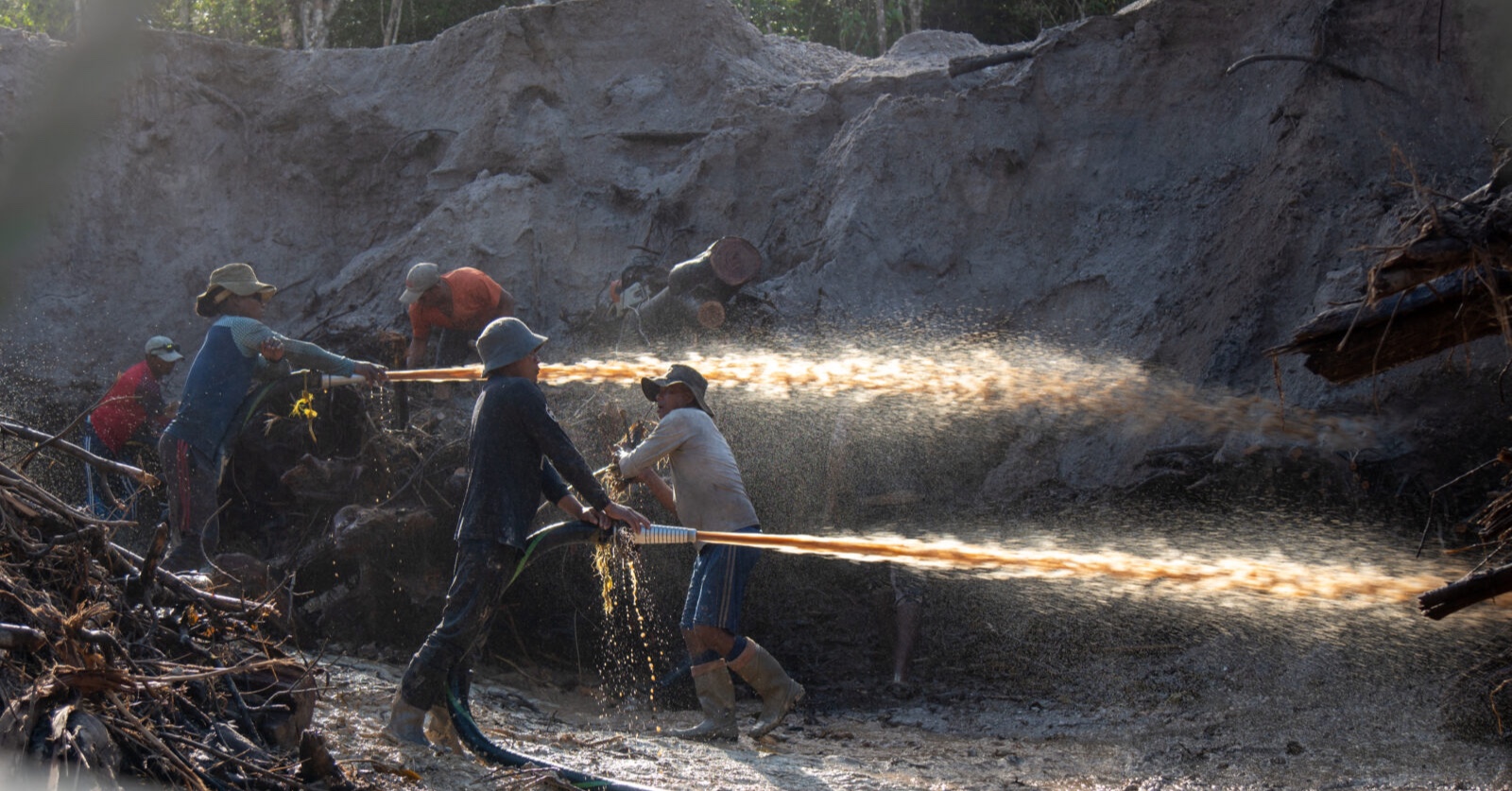
GGMC Policy Planning and Coordination Officer Omkar Lochan told the Department of Public Information that additional offices have been established in areas with significant mining and declaration activity.
Where a permanent office is not considered feasible, he said, officials travel into mining communities on designated days to facilitate declarations. Lochan also said there were more than 30 licensed traders across the mining districts.
The update did not provide a complete current list of the additional offices, visiting schedules or participating traders. Miners should therefore verify the authorised outlet and its current licence before conducting a transaction.
Access and compliance are linked
GGMC’s message joins two issues: bringing services closer to miners and requiring gold to move through legal declaration channels.
Lochan said the commission continues to identify areas where mining activity is becoming more concentrated and to target those locations for services. He also warned that persons who violate the law would face consequences.
GGMC’s published compliance guidance states that gold and diamonds should be sold or purchased only at licensed premises. The commission also maintains an online listing for active trading licences, although users should confirm the licence status at the time of a transaction.
The distinction is important for miners, traders, refiners and businesses supplying the sector. A person operating in a mining district or purchasing valuable minerals may require specific licences or permissions depending on the activity and location.
GGMC’s trading-licence guidance sets out application, inspection, identification, tax, registration and local-permission requirements. It should be consulted alongside any rules administered by other responsible agencies.
Declarations remain an important economic measure
Official gold declarations provide a recorded measure of activity entering authorised channels. They also inform national production, export and foreign-exchange reporting.
Guyana’s 2026 Budget reported total gold declarations of 484,321 ounces in 2025, when the gold-mining industry was estimated to have expanded by 11.6 per cent.
The budget said declarations to the Guyana Gold Board increased by 45.6 per cent to 195,432 ounces, while declarations through licensed dealerships declined by 21.5 per cent to 121,883 ounces. The remaining declarations included production attributed to the large-scale operator.
For 2026, the government targeted total declarations of 510,450 ounces and projected 5.4 per cent growth in gold mining, with higher declarations expected across all operator categories.
Those figures are an official annual target and an earlier-year baseline. The latest GGMC service update did not publish year-to-date declarations or demonstrate that the 2026 target has already been achieved.
Service expansion does not establish production growth by itself
Closer declaration points can reduce the time and cost associated with travelling to authorised facilities, particularly for small and medium-scale miners working in interior districts.
However, the availability of an office or visiting official does not by itself prove that gold output has increased. Declaration volumes are also affected by mine production, prices, enforcement, trader activity, operating conditions and whether gold enters authorised channels.
The current update therefore supports a conclusion about access and compliance efforts—not a new production estimate.
Lochan also said GGMC would continue making mining lands available through lotteries and described small and medium-scale miners as central to the industry. The release did not specify a new lottery, acreage allocation or application date, so no immediate land opportunity should be inferred from that statement.
What miners and investors should verify
Before selling, purchasing or declaring gold, participants should confirm that the location and trader are currently authorised, determine which records and identification are required, and retain transaction documentation.
For investors assessing the sector, the next useful information would include a current district-by-district service list, updated licensed-trader data, year-to-date declaration volumes, enforcement outcomes and progress against the 510,450-ounce annual target.
GGMC’s latest message indicates that declaration services are being brought closer to mining communities. It does not replace the need to verify the specific licence, location and current procedure before a transaction.