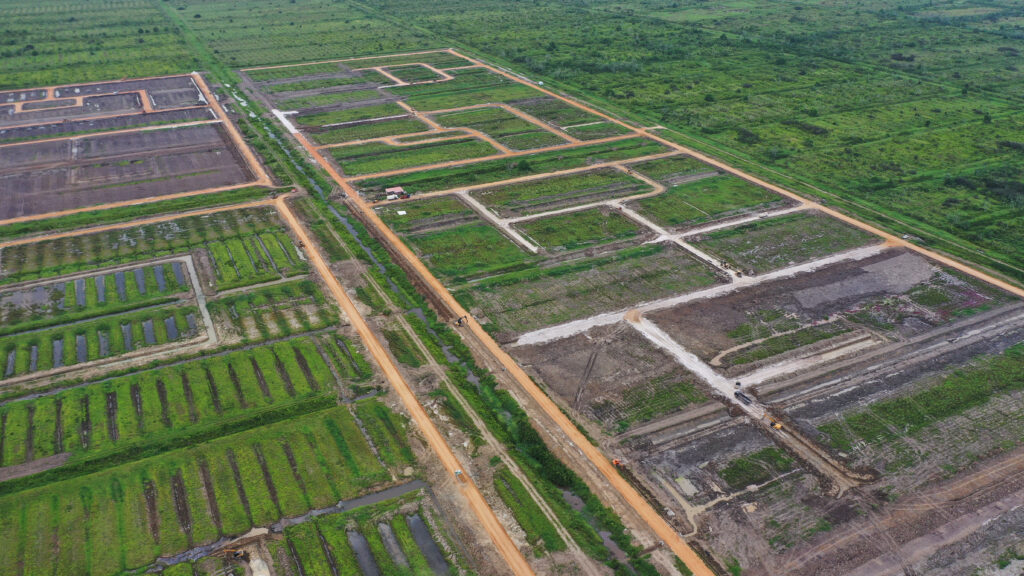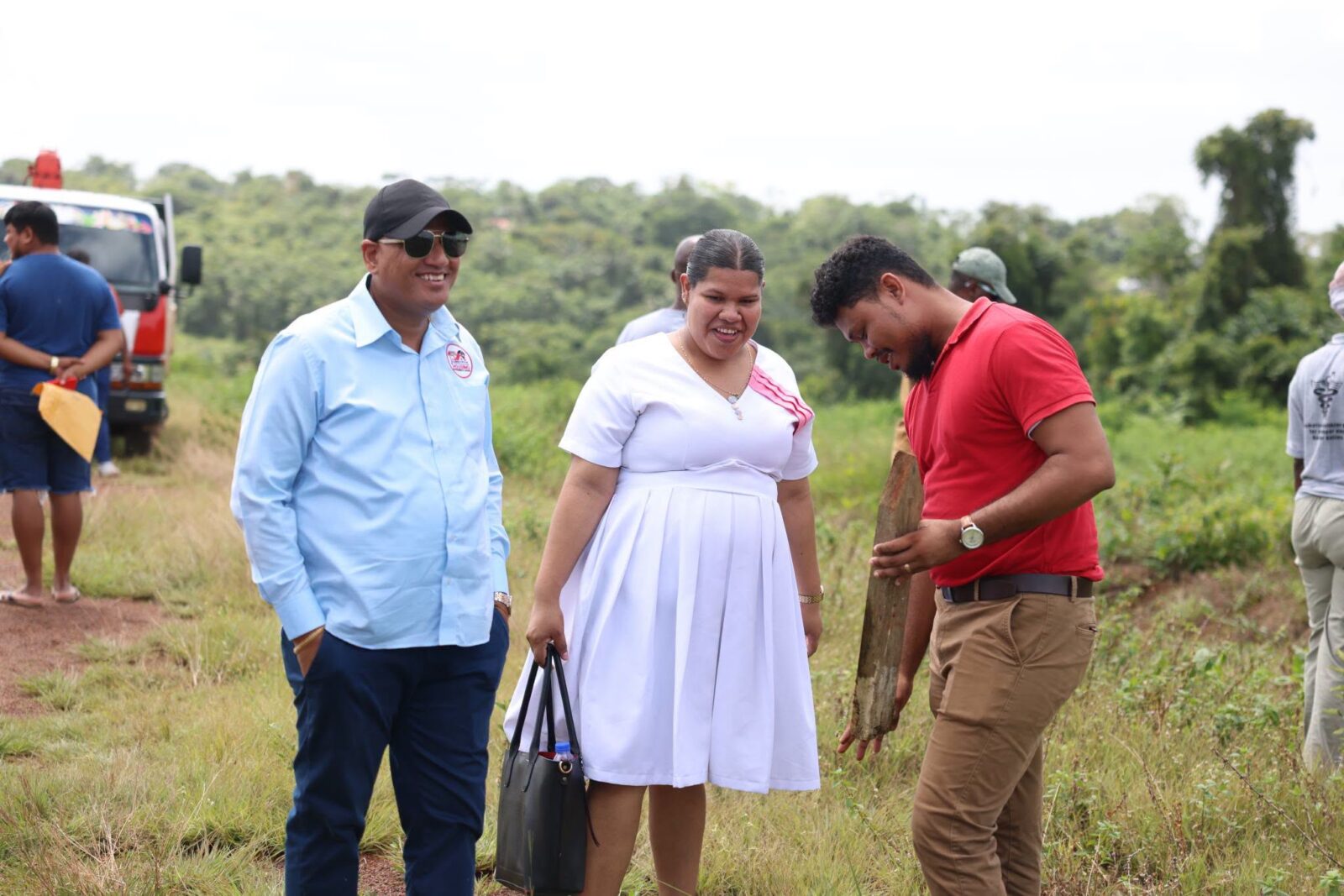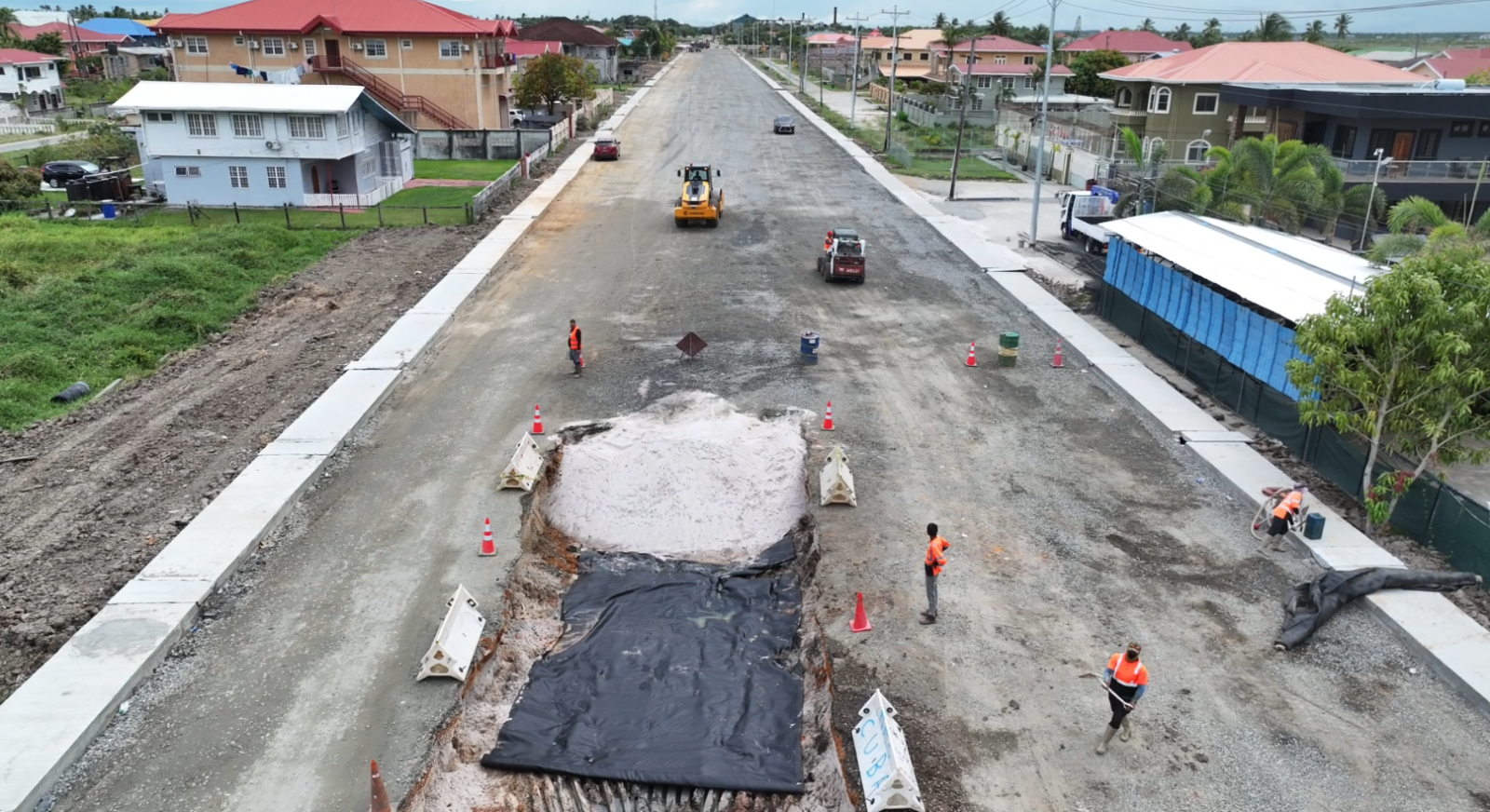
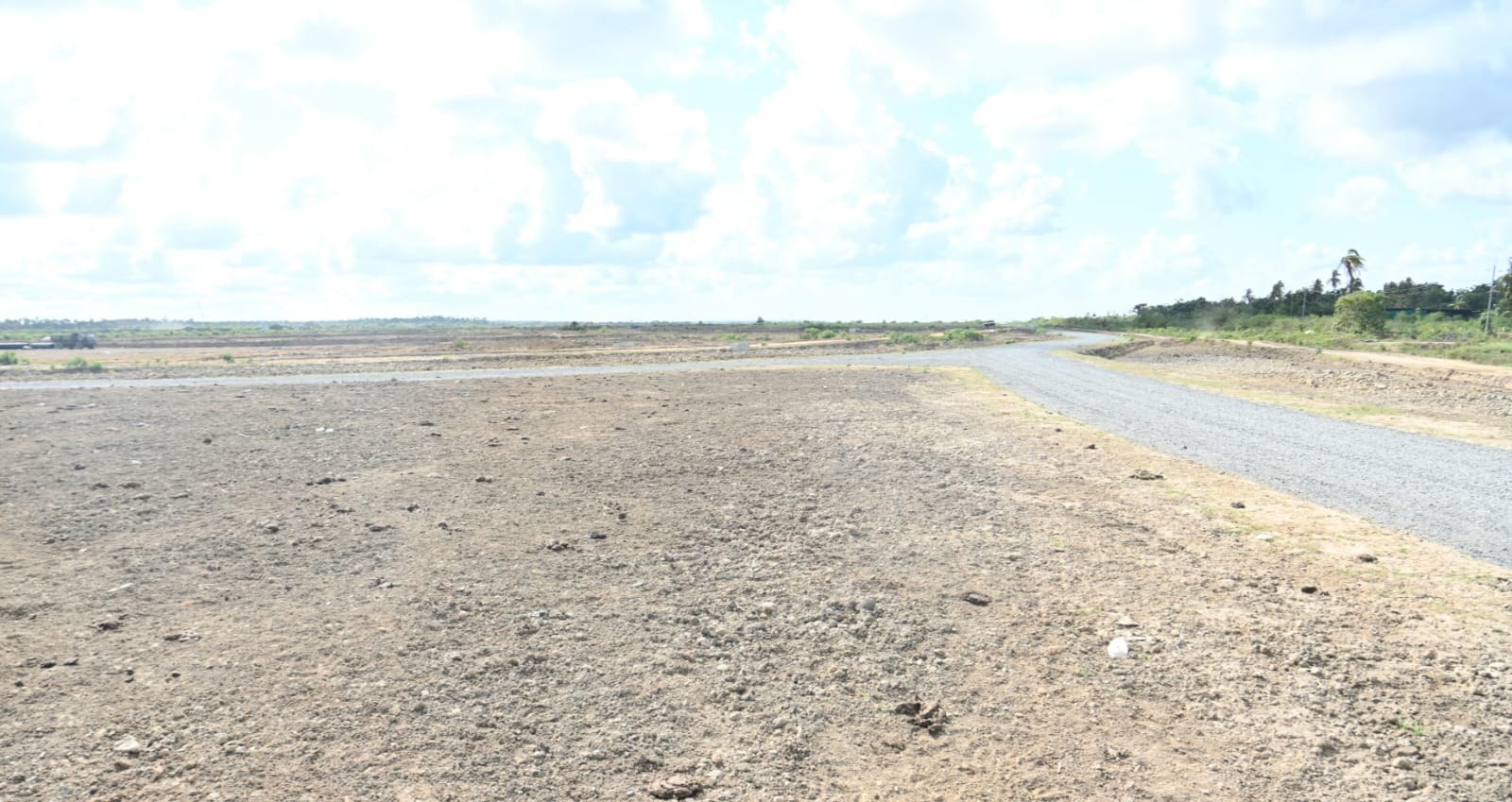
Providence/Glasgow housing development in Region Six. Photo: Department of Public Information, Guyana.
More than 4,000 house lots are targeted to become available in Region Six by November 2026, according to a 28 October 2026 update from Guyana's Department of Public Information. The report covers Providence/Glasgow and Overwinning on the East Bank of Berbice. DPI report.
For households, the next useful milestone is access to a lot on which they can actually plan construction. For businesses, it is evidence that servicing land is moving closer to supporting homebuilding. Both depend on what has been completed on the ground.
Capacity and delivery
DPI describes Overwinning as a development of more than 3,000 lots across 744 acres, and Providence/Glasgow as about 1,800 lots across more than 650 acres. DPI report.
Those figures describe the schemes' overall scope. They should not be added together and presented as the number available in November. A delivery target also does not establish that houses are finished, titles have been issued or every lot has working utility connections.
A programme already underway
An October 2025 official report placed these locations in an earlier land-preparation phase, with roads, drainage and utilities to follow. That provides a dated starting point for the current construction update, rather than evidence that every intervening milestone has been met. Earlier DPI report.
The 2026 Budget Speech also names Providence and Overwinning among areas for continued housing development. Its national plans distinguish house-lot allocation from home construction and the issuing of titles and transports. These are separate outputs, and progress against one cannot be used to certify the others. Budget Speech paragraph 4.158.
What this means for local business
A larger residential area could support work for builders, materials suppliers, transport operators and household-service businesses as residents begin construction and move in. The opportunity would emerge in stages: infrastructure first, then individual homes and, over time, services that rely on a resident customer base.
The pace of that activity depends on household decisions, financing and site readiness. The update provides a reason to follow the local construction pipeline; it does not establish sales volumes, property-price increases or returns for a particular business.
The next test is access
DPI reports that three contractors are behind schedule. This makes the next progress report especially important: it should identify which sections can be accessed and what remains outstanding. DPI report.
For applicants, useful confirmation would cover lot-viewing arrangements, roads and drainage, water and electricity connections, and the documents needed before building can begin. For suppliers, an opportunity should be tied to an actual household order, contractor requirement or current procurement notice.
November will therefore be a delivery checkpoint. The measure to watch is the conversion of the announced housing pipeline into accessible, serviced land and subsequent homebuilding.