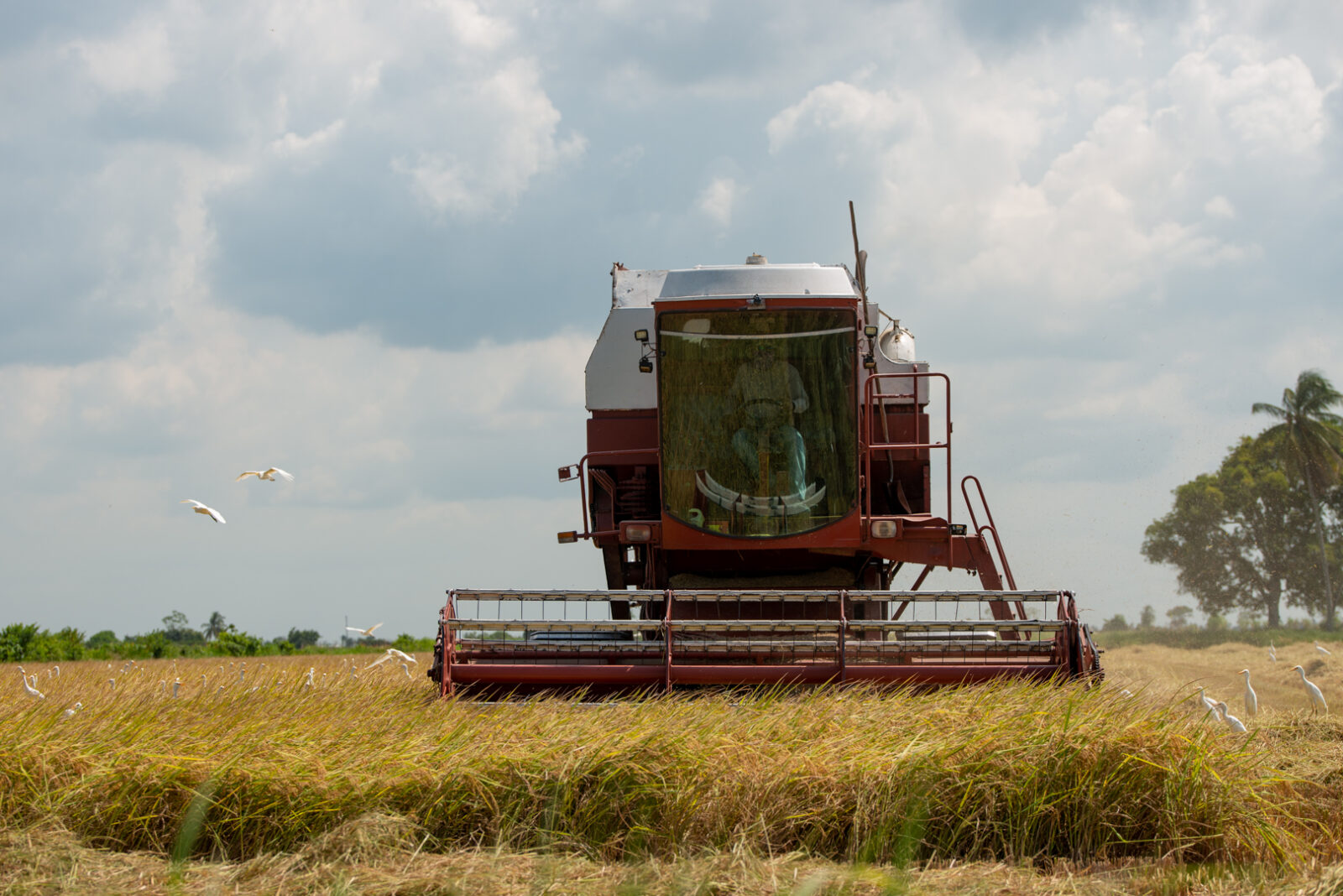
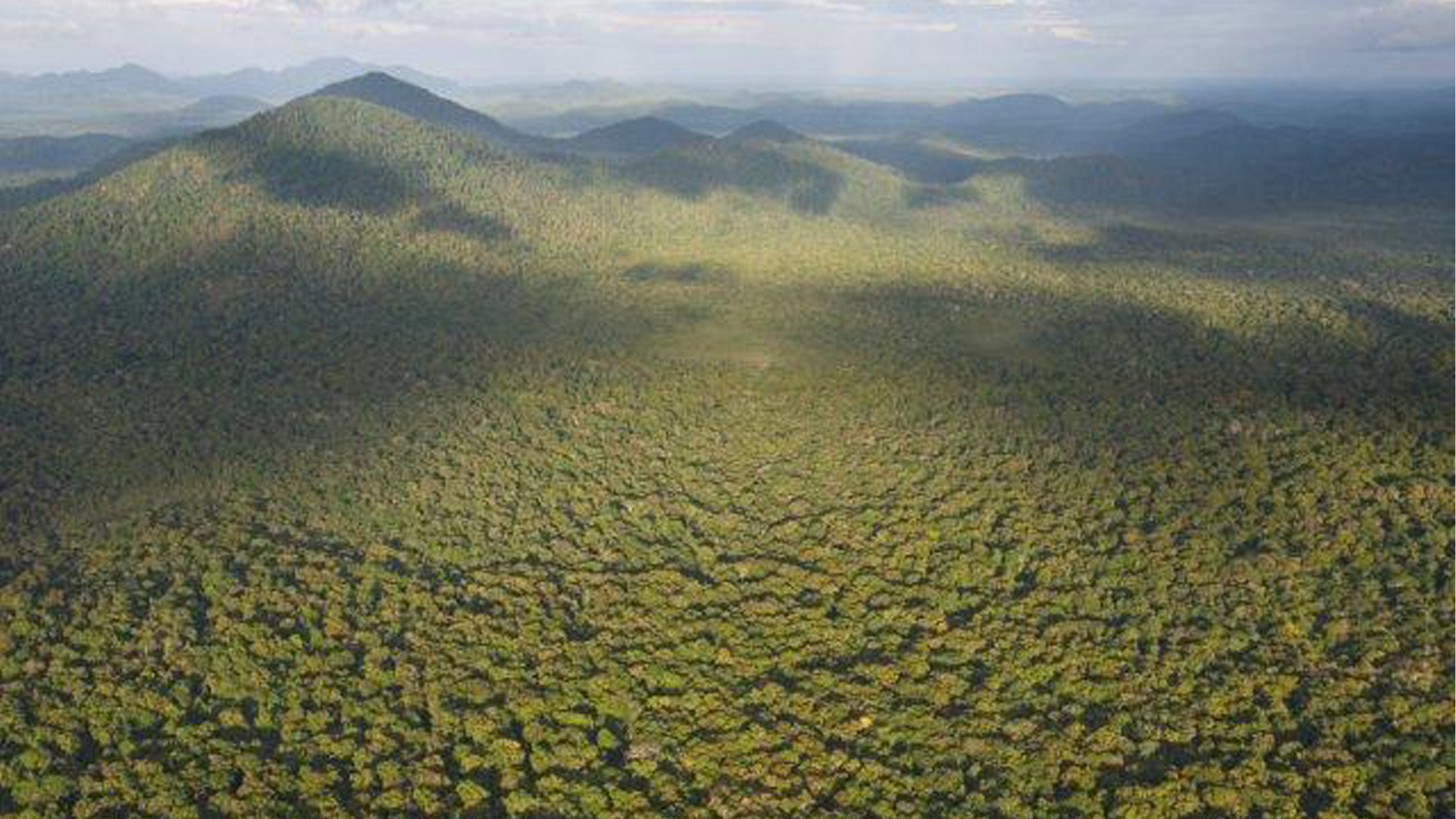
Photo: Guyana Forestry Commission (archive image; not a current fire incident).
For a farm or an outdoor worksite, a pile of cut grass can look like an ordinary maintenance task. In hot, dry conditions, how that material is handled deserves more attention. A routine decision about clearing a yard should not become the start of a much larger problem.
That is the immediate business relevance of an Environmental Protection Agency advisory published on 6 November. The agency warns that elevated temperatures and potentially drier conditions increase the risk of fires developing and spreading through vegetation, including agricultural areas.
The EPA advises against open burning in hot, dry periods and calls for responsible disposal of cigarettes and flammable material, removal of dry combustible matter around premises, and reporting of suspected fires. These are preventive measures. The warning does not establish that a particular farm, forest or community is currently burning.
Prevention starts with routine work
A small business does not need a complex emergency-management department to recognise the significance of a changing operating environment. It does need someone responsible for turning an advisory into a decision about today's work.
For a farm, that may mean reviewing a proposed clearing activity with the person supervising it. For an accommodation business surrounded by vegetation, it may mean checking whether maintenance instructions and guest messages are consistent. A contractor with an outdoor site needs the relevant supervisors to understand the same warning, rather than assume that another team has dealt with it.
These are examples of applying the advisory, not reports of incidents at named businesses. The point is organisational: a warning has little value if it reaches an owner's phone but not the people making the next operating decision.
An instruction also needs to be clear enough to follow. Telling staff to be careful leaves room for conflicting interpretations. Explaining which planned activity needs review, who is responsible and how a concern should be raised makes the message more useful. Site-specific precautions should follow the responsible authorities and competent safety personnel.
The forecast needs a date
The Hydrometeorological Service forecast dated 7 November gives the warning immediate context. It forecasts temperatures of 31–36°C on the coast and 32–38°C elsewhere, with mainly sunny conditions and isolated afternoon showers in inland and southern areas.
A forecast describes expected conditions over a stated period. It is not a temperature measurement at every workplace, and it does not establish the condition of vegetation on an individual property. A shaded location, an exposed yard and an inland worksite can require different assessments.
That distinction matters for businesses sharing alerts with staff or customers. A useful message identifies its date and points readers to the current official forecast. Forwarding an old screenshot without its date can make yesterday's information look current. Operations that depend on outdoor conditions should use the latest bulletin rather than treat a news article as a standing forecast.
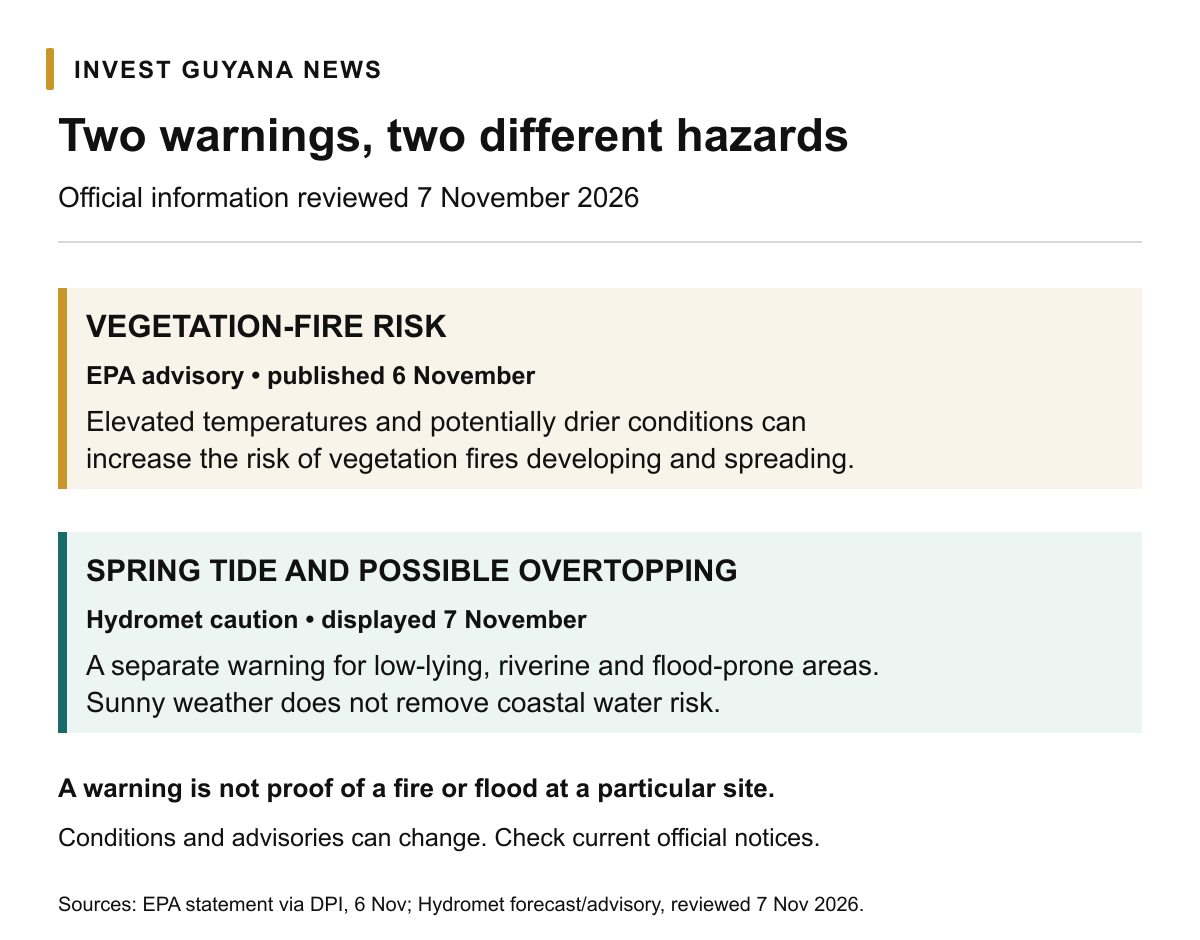
Sunny weather does not remove coastal water risks
The same Hydromet page carries a separate spring-tide advisory, warning of possible overtopping of rivers and sea defences and urging precautions in low-lying, riverine and flood-prone areas.
For a coastal business, the lesson is that a sunny day does not settle every weather-related question. Vegetation-fire risk and tidal water exposure concern different hazards. One should not be used to dismiss the other.
A supplier arranging a delivery to a low-lying location, for example, may need to check access with the receiving site. An operator planning an outdoor activity needs current local information, not simply a national description of the sky. These are business-planning considerations; the advisory is not evidence that a particular road is flooded or that a scheduled service has been suspended.
Clear reporting matters more than dramatic footage
The EPA says it will monitor environmental conditions and satellite-detected heat anomalies. Its statement also asks the public to report suspected bushfires with location and timing information, where this can be provided safely.
If a fire threatens people or property, the agency directs the public to contact the Guyana Fire Service immediately. It explicitly warns against approaching a fire or entering smoke to obtain photographs or video.
Businesses can reinforce that distinction in their own communications. The objective is to help the appropriate service locate and assess a danger, not to produce dramatic footage. Staff should not be put at risk to document an incident, and an unverified message should not be circulated as proof that an entire district is affected.
The practical value of this advisory lies in acting before an emergency: reviewing routine activities, giving staff a consistent instruction and keeping current official information available. For a business with limited spare time, equipment or cash, avoiding a preventable interruption is worth more than discovering afterwards that the warning never reached the person who needed it.
This advisory reflects official information reviewed on 7 November 2026. Daily forecasts and local conditions can change; follow current notices and emergency instructions from the responsible agencies.