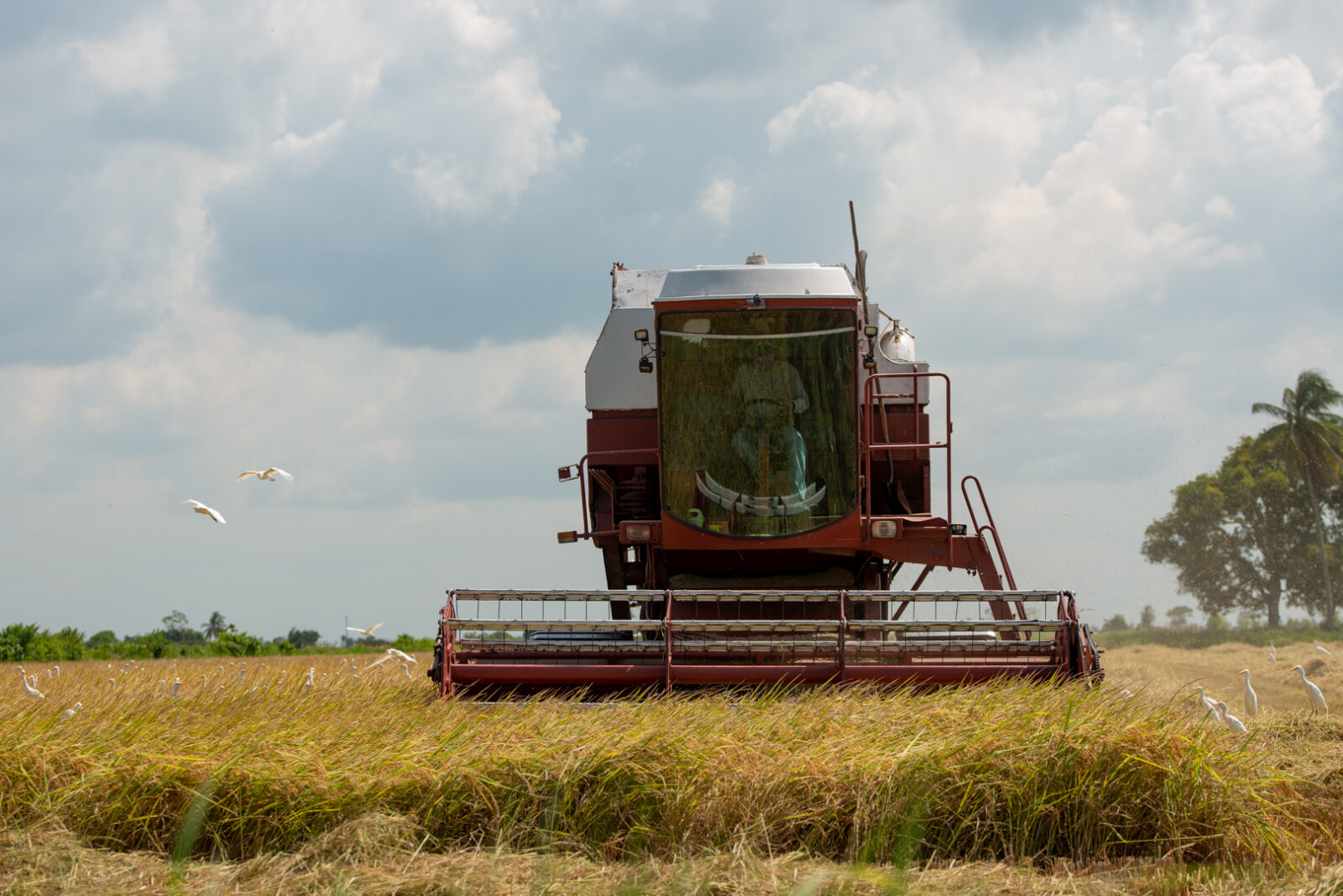
Rice harvesting in Guyana illustrates the post-harvest chain the proposed hub is intended to support (Photo: Department of Public Information, Guyana).
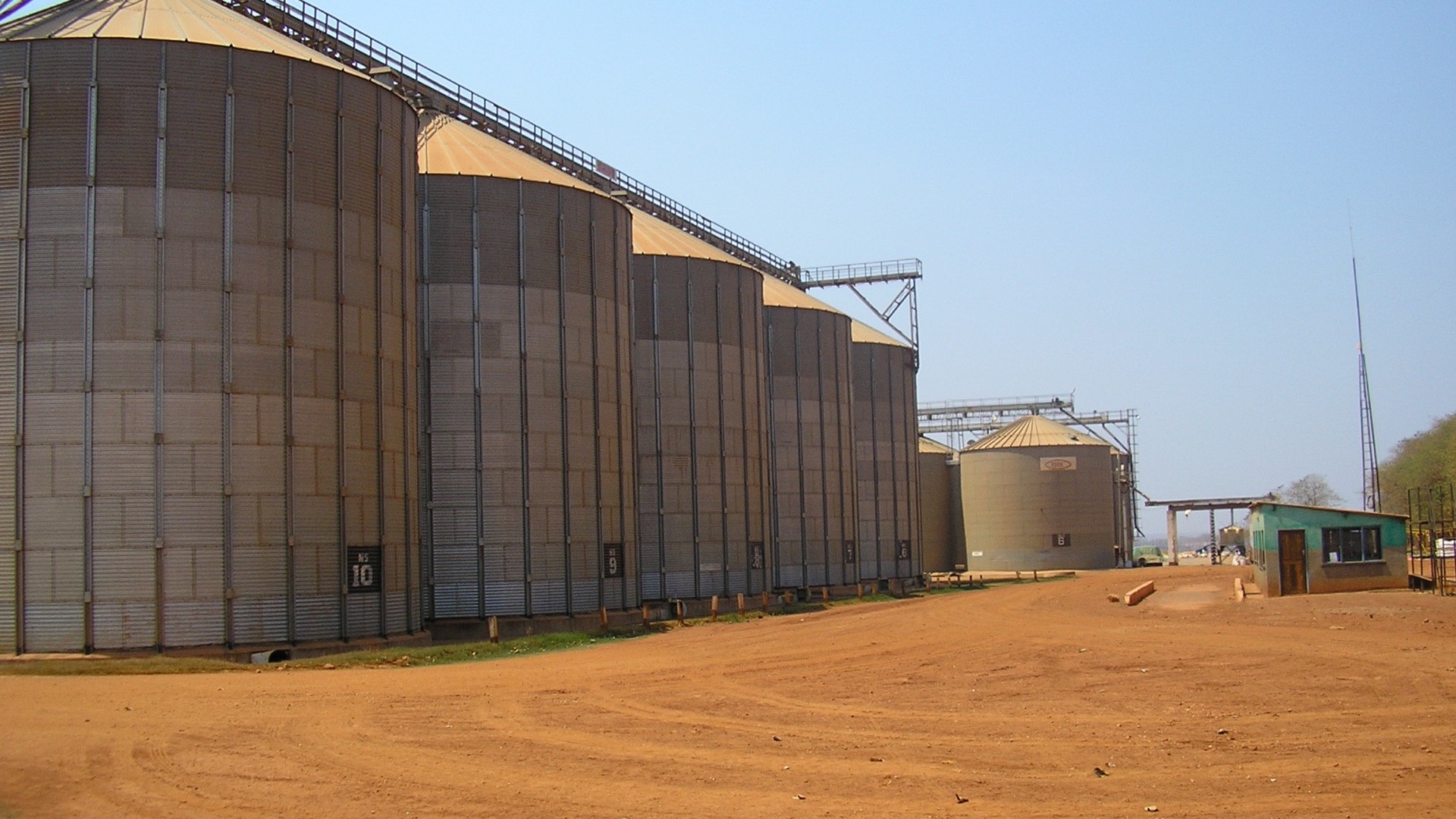
The government’s 2026 Mid-Year Report sets out a plan to begin building a climate-controlled rice storage hub in Region Two during the second half of the year. Its intended capacity is 10,000 tonnes. The proposal brings a less visible part of Guyana’s rice economy into focus: what happens to a crop after it leaves the field, before it is processed or sold.
The facility has not been presented as a completed or operational asset. The report describes a construction timetable and a design capacity, while the 21 September DPI update describes its intended role in post-harvest management. The public sources do not establish that works have started, identify a contractor or give a commissioning date.
Why storage belongs in the investment story
Rice production receives most of the attention when harvest figures are released. Yet farmers, millers and buyers also depend on drying, handling and storage. Paddy held under poor conditions can be exposed to moisture, heat, insects or mould, affecting quality and the choices available when the crop is ready to move to market.
Climate-controlled storage is intended to manage that risk. It can provide a more controlled environment than open or unsuitable holding areas, but an announced capacity does not by itself demonstrate a reduction in losses or a guaranteed price for farmers. Those results depend on the facility’s specifications, operating rules, throughput, access arrangements and actual use once commissioned.
For Region Two, the planned hub could become one piece of a larger post-harvest chain. Farmers need timely intake and reliable quality handling; millers need predictable supplies; exporters need grain that meets buyer requirements. A storage asset can support each link, provided it is integrated with transport, processing and market arrangements rather than treated as a stand-alone cure for every bottleneck.
Budget context and unanswered details
The project sits within a wider government plan to expand rice storage using climate-controlled silos over five years. The 2026 Budget Speech allocated G$1 billion that year to commence silo construction. That is a programme allocation; the published speech does not identify the Region Two hub’s complete construction cost or the share of the allocation assigned to this particular facility.
Those distinctions matter when evaluating the proposal. A 10,000-tonne intended capacity is a technical target, not proof of installed capacity. A budget provision is authority to spend within a programme, not a completion certificate. And a planned second-half start is a timetable to verify against subsequent construction notices, procurement records and site progress.
For businesses in rice handling, logistics and equipment supply, the next useful public information would be the site, tender or contract documentation, technical storage specifications and the eventual operator. For growers, the practical question will be who can use the facility, under which conditions and at what point in the crop cycle.
The hub is therefore worth watching because it addresses the value preserved between harvest and sale. Its commercial effect will become measurable only when the proposed capacity is built, accessible and operating.