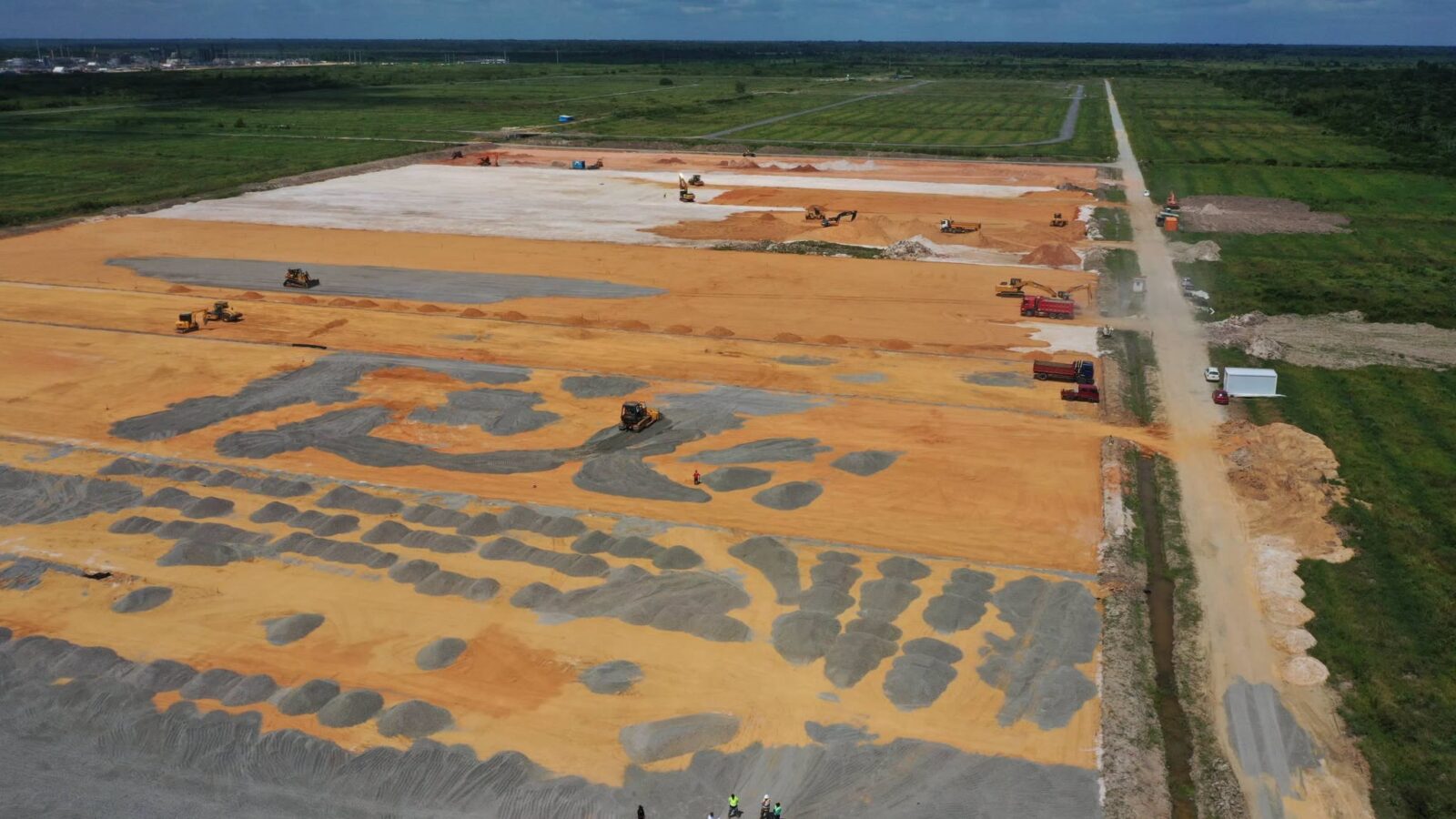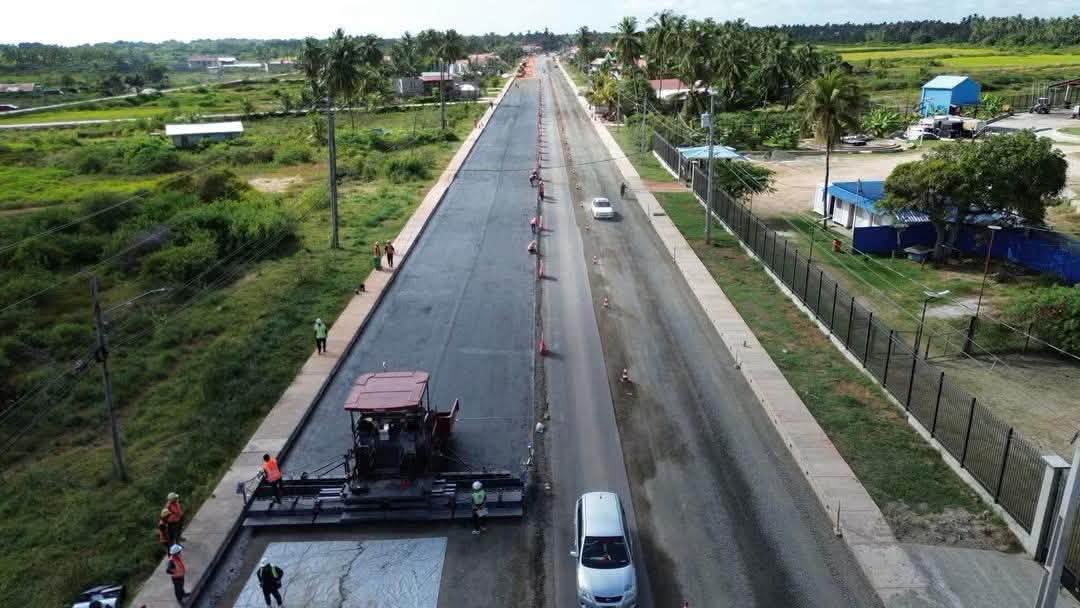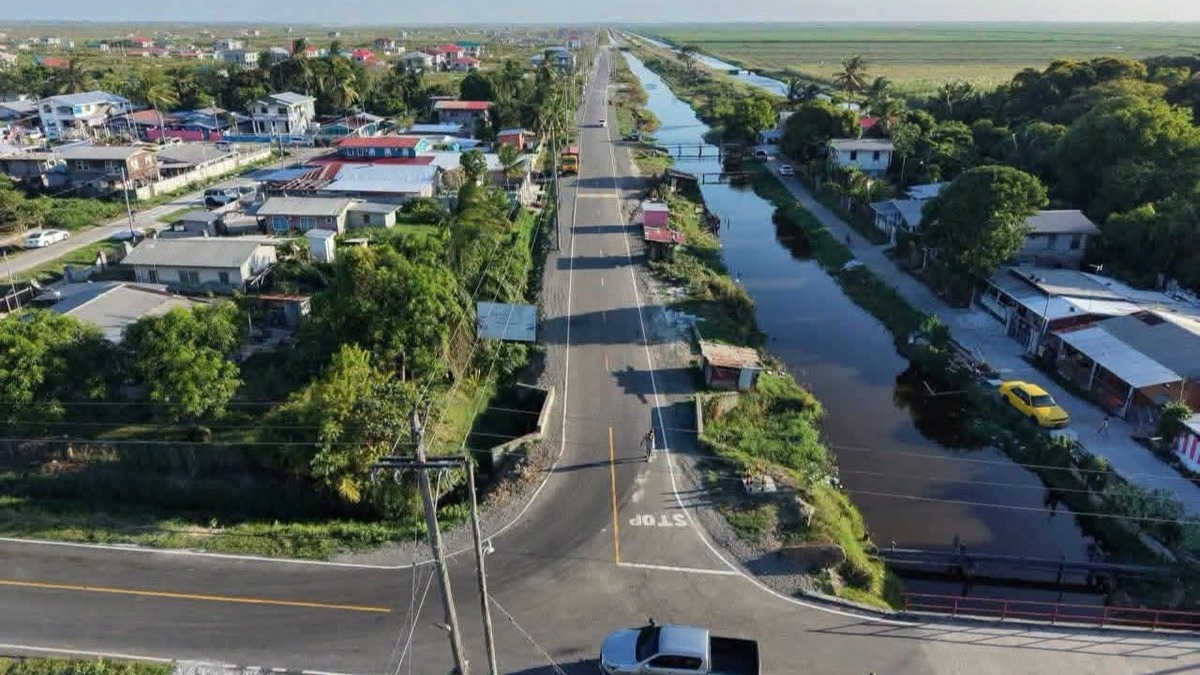
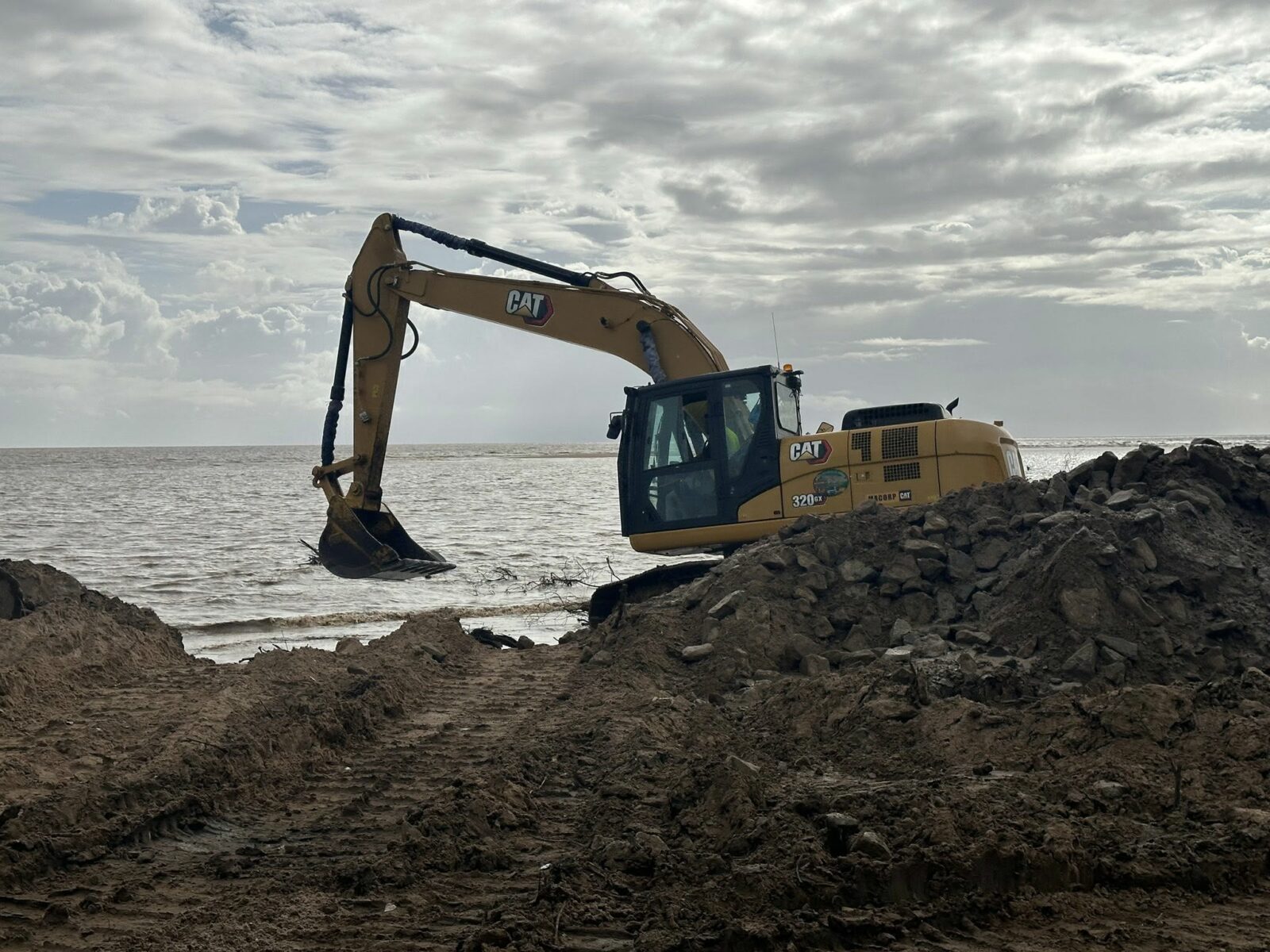
Photo: Department of Public Information, Guyana.
The official procurement notice behind Guyana's latest river-infrastructure announcement reveals a much wider construction programme than the seven hinterland and riverine locations highlighted in the accompanying news update.
The Ministry of Public Works has invited bids for 38 separate sea- and river-structure lots across Regions Two, Three, Four, Five, Six, Seven and Ten. The primary scopes comprise rip-rap sea defences, rip-rap river defences, timber revetments and landings, together with one reinforced-concrete wave-wall project and one river-defence lot that includes land reclamation.
The procurement uses National Competitive Bidding under Guyana's Procurement Act 2003. Bidding documents became available on 3 November for a non-refundable fee of G$5,000, and bids are scheduled to be opened at 9:00 a.m. on Friday, 20 November 2026.
No engineer's estimates, combined programme value, construction periods or site-specific quantities are stated in the public invitation. The 38 lots therefore establish a sizeable pipeline of opportunities, but they should not be described as awarded contracts or assigned a value that the procuring entity has not disclosed.
A national package rather than a single river tender
The 3 November Department of Public Information update focuses on river-defence structures at Almanack Landing, Arian Island, Batavia Landing and Malali, as well as timber revetments and landings serving clusters of communities along the Berbice River.
Those projects form Lots 32 through 38 of the underlying Ministry of Public Works invitation for bids. The same notice includes another 31 lots spanning the Essequibo Coast, Wakenaam and Leguan islands, the West and East coasts of Demerara, East Bank Essequibo, Mahaica and Mahaicony, West Coast Berbice and the Corentyne.
The regional distribution is:
- Region Two — eight lots: Suddie, Spring Garden, Adventure, Onderneeming, Richmond–La Belle Alliance, Land of Plenty–Mainstay–Reliance, Columbia–Aberdeen–Three Friends, and Taymouth Manor–Affiance.
- Region Three — 14 lots: Zeelandia 90–Zeelandia Estate, Moorfarm and Fredericksburg on Wakenaam; Windsor Estate–Cornelia, La Bagatelle, Enterprise, Waterloo, Cane Garden and Thierens on Leguan; Uitvlugt–Ocean View and Zeeburg–De Willem on the West Coast; Zeelugt and Orangestein on the East Bank Essequibo; and Parika.
- Region Four — two lots: a reinforced-concrete wave wall and rip-rap upgrade at Unity–Lancaster–Mosquito Hall, and rip-rap sea defence at Buxton.
- Region Five — three lots: Cottage–Belmonte–Perseverance, Fairfield–Mahaicony–Kensington, and Belladrum–Paradise.
- Region Six — four lots: No. 57 Village, No. 63 Village, No. 78 Village and Islington.
- Region Seven — three lots: Almanac Landing, Arian Island and Batavia Landing.
- Region Ten — four lots: Malali and three Berbice River community clusters covering DeVeldt–Sandhill–Kimbia, Ebini–Wiruni–Maria Henrietta, and Kumaka–Calcuni–Hururu.
The IFB's summary heading lists Regions Two, Three, Four, Five, Seven and Ten, but Lots 28–31 explicitly identify four projects in Region Six. Invest Guyana's seven-region count follows the detailed lot schedule. Bidders should confirm the classification in the purchased documents and any addenda.
The procurement notice spells the Region Seven location as “Almanac Landing”, while the DPI news report uses “Almanack Landing”. Bidders should use the project name and lot number appearing in the purchased bidding document when preparing a submission.
Four principal construction categories
The 38 lots are not technically identical. Based on the primary description assigned to each lot, the package contains:
- 21 rip-rap sea-defence lots;
- 13 rip-rap river-defence lots;
- three timber-revetment river-defence and landing lots; and
- one reinforced-concrete wave-wall and rip-rap-upgrade lot.
Lot 22 at Parika also includes land reclamation along the northern and southern foreshore. Several other locations are identified as phases of continuing work, including projects at Zeelandia, Fredericksburg, Windsor Estate–Cornelia, Waterloo and Parika.
That range matters commercially. A company with experience placing armour stone along an exposed coast may face a different mobilisation plan, equipment requirement and construction risk from a contractor working at a river landing or on an island. The purchased specifications and bills of quantities—not the one-page public notice—will define what each lot actually requires.
What the invitation requires from bidders
The public notice says interested bidders may inspect and purchase the documents from the Ministry of Public Works' Accounts Department at its Fort Street, Kingston office. Documents may be purchased from 9:00 a.m. to 4:30 p.m. from Monday to Thursday and from 9:00 a.m. to 3:00 p.m. on Friday.
The non-refundable G$5,000 fee is payable in cash or by manager's cheque to the Permanent Secretary, Ministry of Public Works.
The invitation also states that bidders registered in Guyana must submit valid Guyana Revenue Authority and National Insurance Scheme certificates of compliance. Bidders must register through the NPTAB bidder-registration portal to be added to the contractor list, and bids must remain valid for 180 days from the date of opening.
Submissions are directed to the Chairman of the National Procurement and Tender Administration Board at the Ministry of Finance, Main and Urquhart streets, Georgetown. The opening is scheduled for 9:00 a.m. on 20 November and may be attended by bidders' representatives and members of the public.
The public advertisement does not state every qualification threshold. It does not disclose the required experience, turnover, personnel, equipment, bid security, construction schedule or whether a single bidder may win multiple lots. Those matters must be checked in the bidding documents and any subsequent clarifications or addenda.
What contractors should assess before choosing lots
Thirty-eight lots can create the appearance of a broad and accessible market, but a contractor should not treat every site as interchangeable.
The first decision is geographic. Island, coastland and riverine works can require different access arrangements, marine transport, equipment mobilisation and storage. A bidder should confirm how stone, timber, concrete, fuel and machinery will reach the site; whether tides or river conditions constrain working hours; and how community access must be maintained during construction.
The second decision is technical. The contractor needs to test its experience against the specified structure, foundation conditions, hydraulic exposure and quality-control requirements. The notice does not publish lengths, elevations, rock gradings, timber specifications, concrete quantities or testing obligations.
The third is financial. Contractors should model the working capital needed to mobilise, procure materials, pay labour and operate equipment before interim payments are certified and received. They should also examine performance-security, retention, insurance, price-adjustment and payment provisions when the complete documents are obtained.
Pursuing several lots can improve scale, but it can also concentrate risk. A firm should test whether the same equipment, supervisors, technical personnel and cash resources would be committed to overlapping projects. The public notice does not say how the ministry will evaluate a bidder's combined capacity across multiple lots.
A supply-chain opportunity, but not yet a subcontract pipeline
The procurement may generate downstream demand for armour stone, timber, concrete products, marine and road haulage, fuel, equipment hire, surveying, geotechnical and materials testing, environmental services, safety support and skilled labour.
These are reasonable market implications of the disclosed works, not announced subcontracts. Suppliers should not present the tender as confirmation of an order, award or relationship with a future prime contractor.
The practical approach is to identify eligible bidders pursuing particular lots, document available capacity and product compliance, and be ready to negotiate delivery schedules and commercial terms after the procurement advances. A supplier should also avoid extending credit solely on the strength of a bid; an application is not a contract, and a contract award is not the same as payment certainty.
Why the programme matters beyond procurement
Guyana's coast and river systems support settlements, agriculture, transport and commercial activity. Defence failures can disrupt homes, farmland, roads and access routes, while river landings can be essential links for communities whose movement depends on waterways.
The 2026 national budget allocated G$11.3 billion for the development and reinforcement of sea defences. That allocation provides policy context for the wider resilience programme; it is not the disclosed value of the present 38-lot tender.
The current package combines protection and access. Most lots focus on rip-rap sea or river structures, while the Berbice River lots expressly pair timber revetments with landing infrastructure. The Parika lot adds land reclamation, and the Mahaica River lot introduces a reinforced-concrete wave wall alongside rip-rap upgrading.
This variety shows why investors should look beyond the headline number of lots. The commercial opportunity lies in the lot-level specifications, risk allocation and delivery requirements.
What bidders should do now
Interested companies should obtain the official documents promptly and create a separate compliance file for every lot they intend to pursue. That file should track forms, signatures, certificates, experience, personnel, equipment, financial records, securities, packaging and delivery instructions.
They should monitor the Ministry of Public Works, NPTAB and official procurement channels for clarifications, addenda or changes. Any inconsistency between a news summary and the bidding documents should be resolved through the procuring entity before submission.
The opportunity is substantial in geographic reach: 38 lots across seven regions and four principal construction categories. The investment decision, however, remains specific. Contractors need to select scopes that match their technical capacity, price the access and construction risks realistically, and submit exactly what the official documents require.
Editor's note: This article is an independent summary of official public information and does not replace the invitation for bids, purchased bidding documents, clarifications or addenda. Companies should obtain current documents directly from the procuring entity before acting.