Guyana’s Zoo and Botanical Gardens redevelopment has moved from announcement into construction, with government targeting a reopening within about three years. Officials say foundations, internal roads and the removal of most old animal enclosures are expected by the end of 2026, but those dates remain targets rather than completed milestones.
Photo: Department of Public Information, Guyana.
The 6 October update is a material change from the government’s April announcement that major upgrades would begin. It identifies active site works, the main contractor and engineering adviser, and a near-term delivery programme that can now be measured against visible progress.
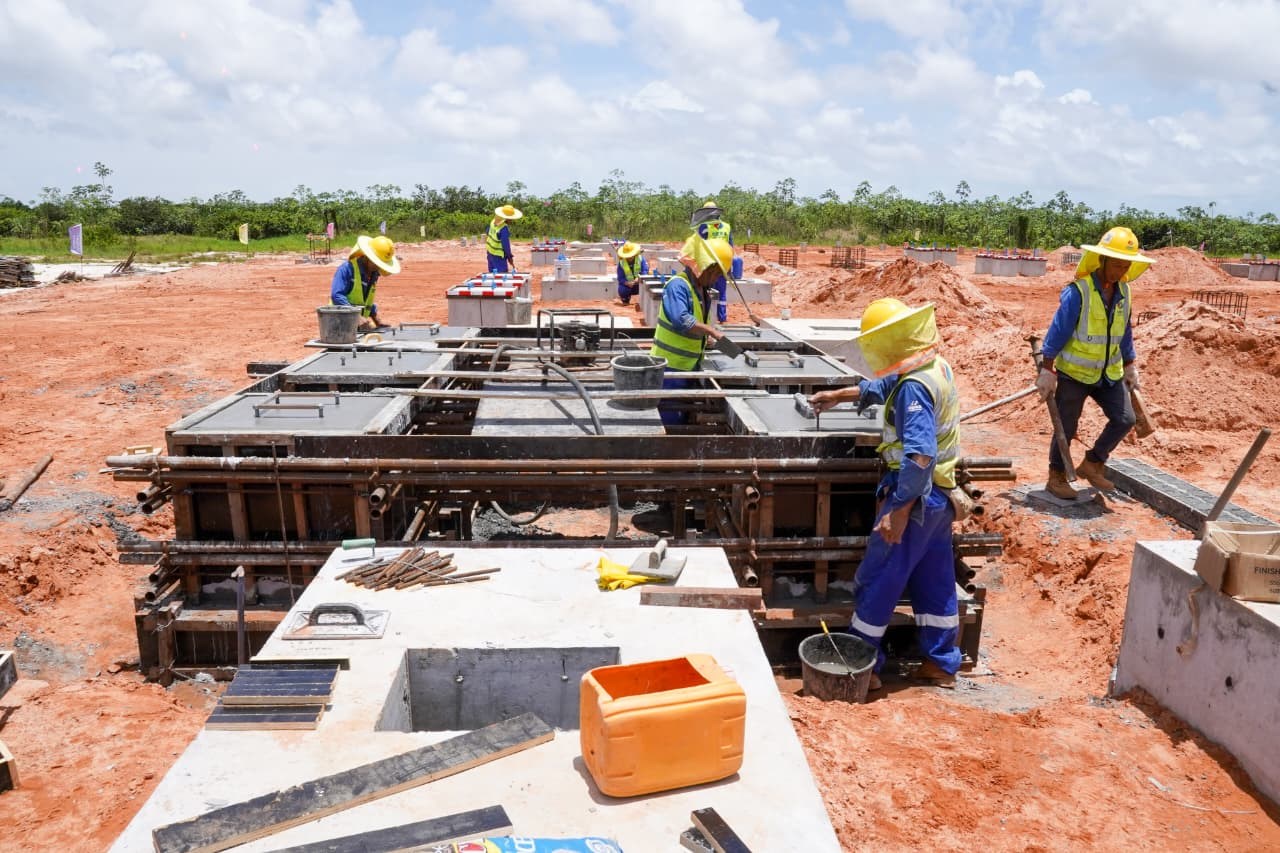
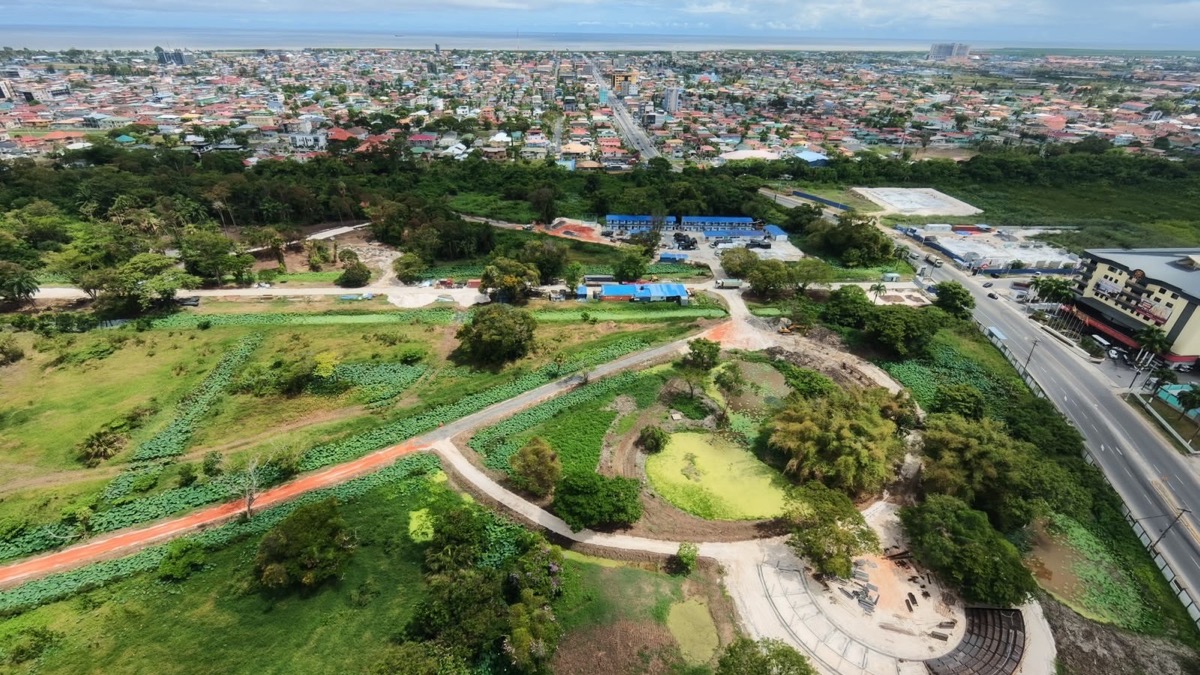
Construction activity and a three-year target
The Department of Public Information’s latest project update says site preparation, demolition, foundations, internal roads and drainage works are underway. It identifies CNQC as the main contractor and SRKN as the engineering adviser and supervisor.
According to the update, the government aims to reopen a transformed Zoo and Botanical Gardens in approximately three years. The timetable is an official projection; the update does not announce a fixed reopening date or confirm completion of the overall project.
By the end of 2026, the reported target is to complete foundations and internal roads and remove most of the old animal enclosures. An amphitheatre is also under construction, while work is being accelerated during the dry period.
The source does not provide a current percentage of overall completion, a final contract value, a detailed construction schedule or certified progress report. Those omissions matter because a multi-year redevelopment can change in scope, cost and timing as work advances.
Planned visitor and wildlife facilities
The redevelopment is intended to create a Wildlife Sanctuary with larger habitats and improved animal-care systems. Planned visitor facilities include a new entrance from Homestretch Avenue, a Discovery Centre and aquarium, themed gardens, waterways and walking routes.
Government also lists a SkyTrail, five observation towers, a Roraima-inspired waterfall, canoe facilities, shuttle transport and a children’s play area. These are planned components, not completed attractions.
The Office of the President’s April announcement described a similar scope, including modern zoo infrastructure, improved animal care and containment, visitor and education facilities, accessibility upgrades, bridges, pathways and landscape restoration. That earlier statement supports the continuity of the project concept; the October report provides the first current construction-stage detail reviewed for this article.
G$2 billion was allocated in the 2025 budget process
During the National Assembly’s consideration of the 2025 Estimates, the government said G$2 billion of a G$2.8 billion allocation under National Parks Commission project code 3401700 was for upgrading the zoological park. The official Hansard also described related works including a new water system, boundary fencing, an administration building, washrooms, parking and modernisation of the concession area.
That figure is useful budget context, but it should not be read as a confirmed final cost for every element in the current three-year redevelopment. The October update does not reconcile the earlier allocation with current contract values, later appropriations or the complete financing plan.
For contractors and suppliers, the immediate commercial signal is that civil works are active and a main contractor is in place. Any additional procurement opportunity should be confirmed through an official tender or contractor notice rather than inferred from the project description.
Why the project matters to investors
The redevelopment sits at the intersection of public infrastructure, tourism and Georgetown’s wider visitor economy. A modernised attraction could strengthen the capital’s leisure offering, extend visitor stays and support nearby hospitality, transport, food, retail and tour services.
Government says it is exploring opportunities for local guides, entrepreneurs, businesses and community partners. No concession programme, application process or award has been announced in the reviewed material, so businesses should treat that as an emerging possibility rather than an open call.
The project could also create longer-term demand for facility management, landscaping, wildlife services, maintenance, mobility and visitor-experience operations. The scale of that market will depend on the final operating model, admission policy, concession structure and procurement rules.
What to watch next
The first measurable test is the government’s end-2026 milestone for foundations, internal roads and removal of old enclosures. Confirmation should come through updated official progress reporting, procurement records and visible completion rather than projection alone.
Investors and local businesses should also watch for published contract values, supplementary tenders, concession opportunities, operating partnerships and a confirmed opening programme. Environmental management, animal-welfare standards, drainage performance and long-term maintenance funding will be central to whether the redevelopment becomes a durable tourism asset.
For now, the verified change is that construction activity is underway and the government has set a three-year reopening objective. The economic impact will depend on delivery, operating quality and whether the announced opportunities for local enterprise are converted into transparent, accessible programmes.