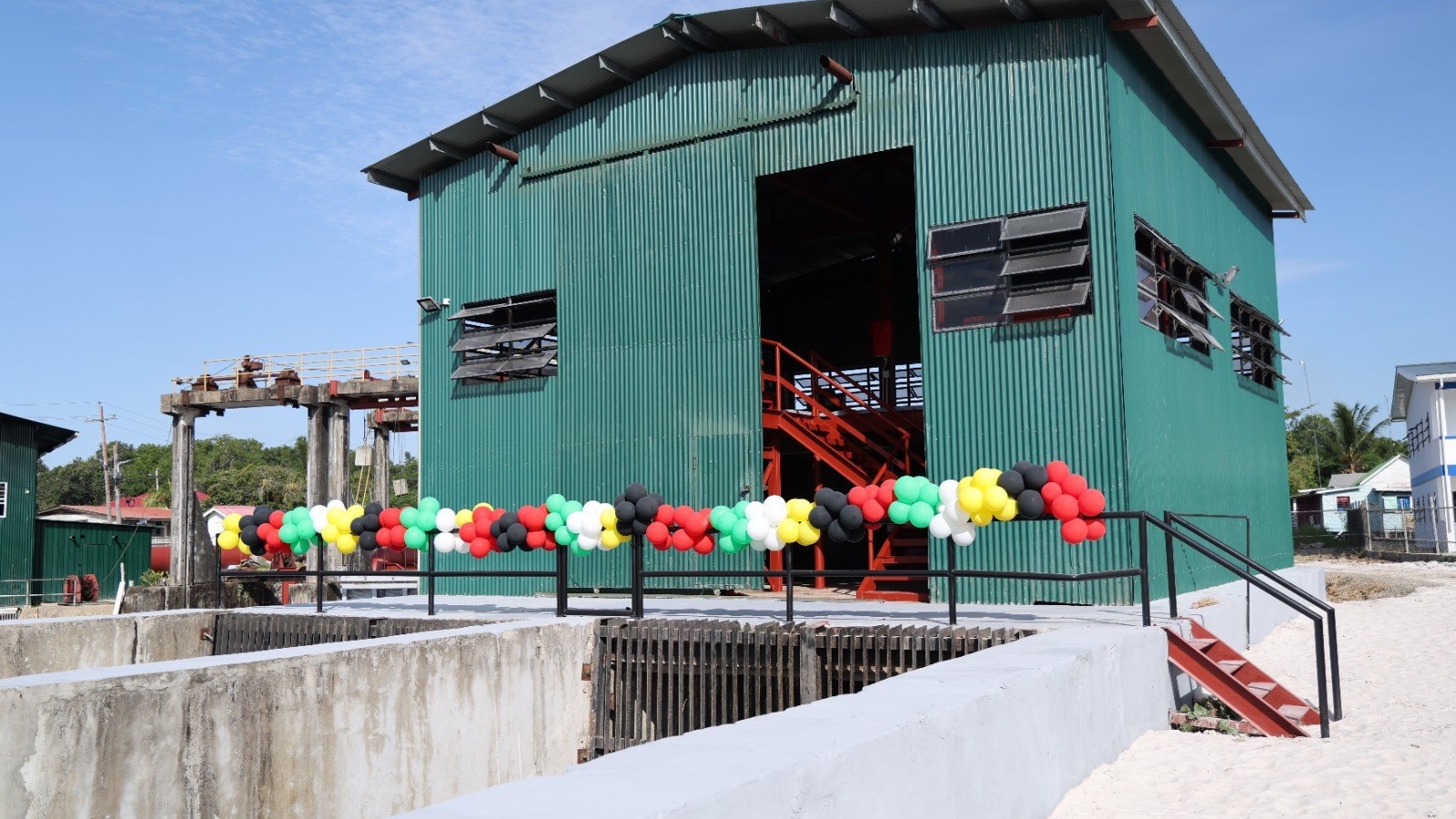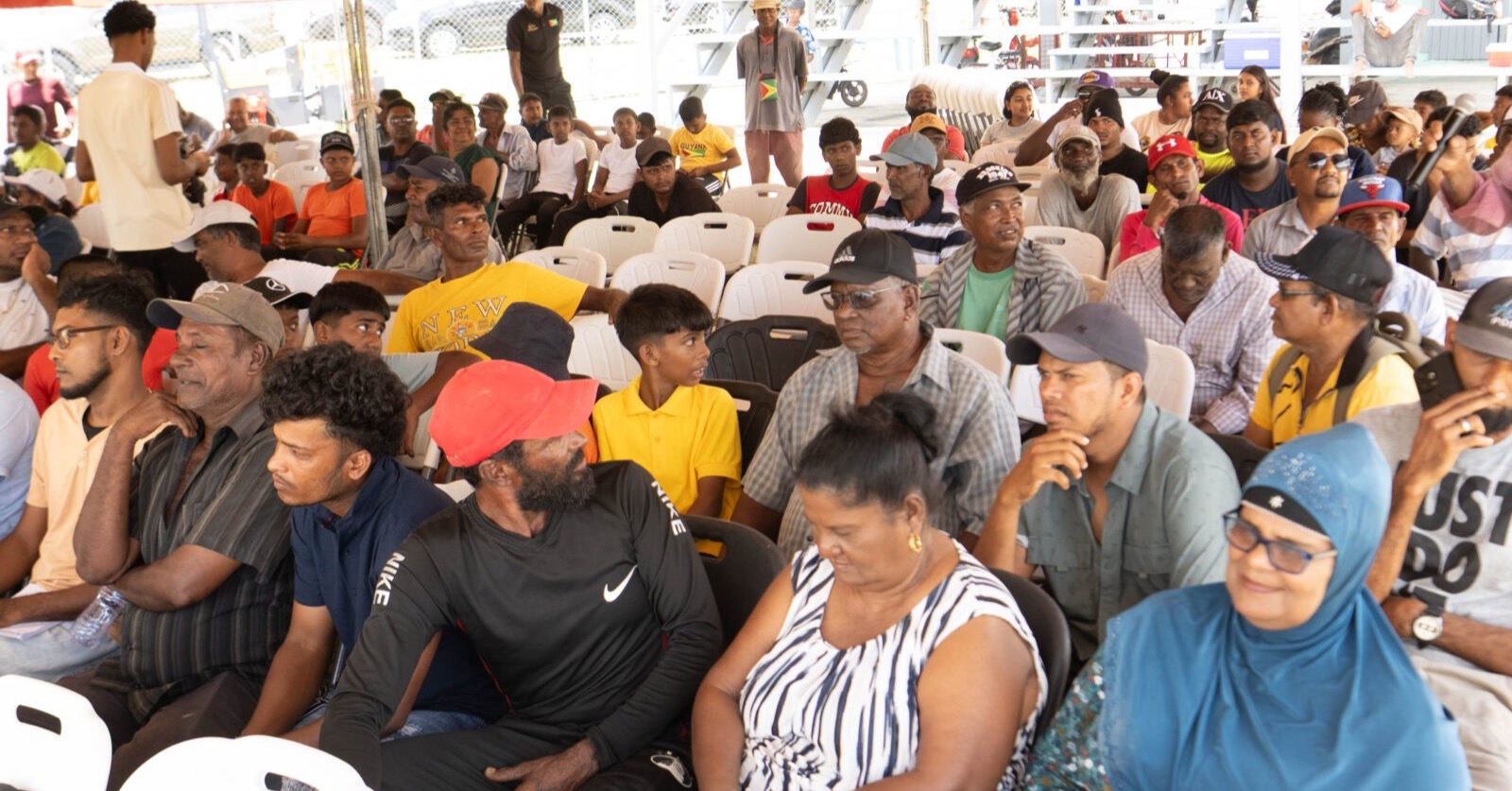

File image: Stabroek Market, Georgetown; programme stock and participating outlets are not identified.
Guyana’s plan to pool purchases of meat and eggs has moved beyond its initial proposal, with more than 65 wholesalers and distributors joining the arrangement and prices announced for chicken moving through the participating supply chain. A 19 November government report says the Guyana Marketing Corporation will distribute chicken through those businesses, which will supply retailers at no more than G$380 per pound. Participating retailers are to sell it to consumers at no more than G$450 per pound.
The report describes the chicken arrangement as effective immediately. It places the other products on a different timetable: beef at no more than G$800 per pound, mutton at G$1,200 per pound and eggs at G$1,400 per tray are expected in the coming weeks. Those later prices should not be presented as already available across the market.
The named participants include Bounty Farms, The Wholesome Farmhouse, Danny and Sons Halal Meat Centre and a range of smaller poultry and meat businesses. The list establishes who has signed on; it does not establish the stock each outlet holds, its delivery area or the quantity already supplied.
A price on the shelf still needs a workable supply chain
At the two quoted chicken ceilings, G$70 per pound separates the retailer’s purchase and selling prices. That is a comparison of the announced limits, not a verified profit margin. Refrigeration, handling, transport, stock losses and any selling costs still have to be paid for. Actual buying and selling prices may also be below the limits.
For a market vendor or small supermarket, the practical test is whether stock can be replenished reliably at a cost that fits the agreed selling price. A low purchase price on an occasional consignment is different from an order that arrives in the right quantity every week. For caterers and food businesses buying regularly, availability and product specification will be as important as the headline price.
The President’s original 13 November statement described a voluntary pilot combining demand from public institutions with interested wholesalers and retailers. Producers would remain free to sell elsewhere, and shops could retain their existing purchasing channels. The latest announcement therefore concerns participating businesses; it is not evidence of a new statutory price-control order covering every seller in Guyana.
That original plan proposed published demand, agreed quality standards and delivery schedules, alongside displayed programme prices and a dashboard to track them. It also envisaged prompt-payment deadlines and, where appropriate, purchase commitments spanning more than one production cycle. These were elements of the proposed system, not proof that contracts, dashboards or payment arrangements are all now operating.
What producers need before expanding
A farmer considering another broiler cycle needs to know what the buyer will take and when payment will arrive. Buying more feed or adding birds against a general promise of demand leaves the farm carrying the risk if orders do not follow. A purchase commitment can make that decision easier, but only if quantity, quality, delivery and payment obligations are clear enough to plan against.
The President’s statement recognised that chicken and egg production have different expansion horizons from cattle and sheep, and linked increased output to feed, finance, veterinary support and market access. That helps explain why the four products should not be treated as one supply response. The price now attached to chicken does not establish how quickly beef or mutton production can rise.
The November update does not publish procurement volumes, producer prices, signed supply terms or a delivery schedule. Nor does it quantify a subsidy or show whether participating businesses have received their first consignments. Those details will determine how the programme works commercially, rather than the length of its participant list.
The useful comparison from here is between the agreed price and what customers can actually buy, while checking that local producers are paid on time. For businesses, the opportunity is more predictable orders and less waste. Whether that is being delivered will need evidence from stock movements, payment performance and sustained sales.