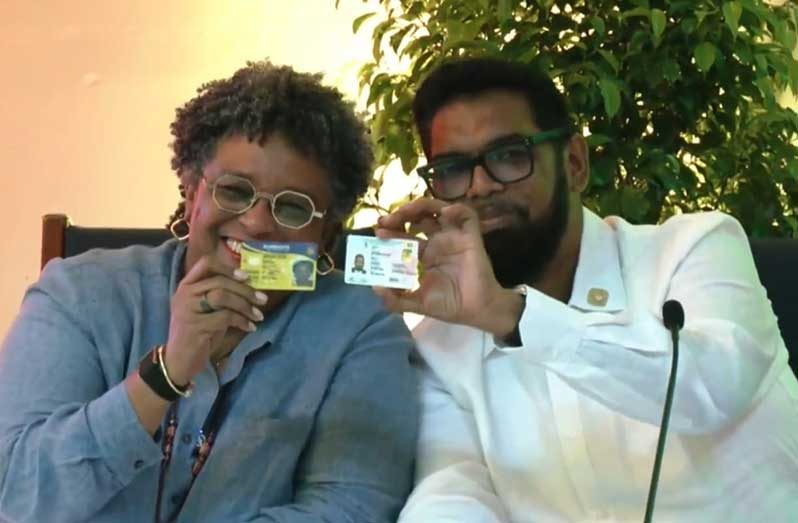

President Irfaan Ali discusses the planned Development Bank access model (Photo: Department of Public Information, Guyana).
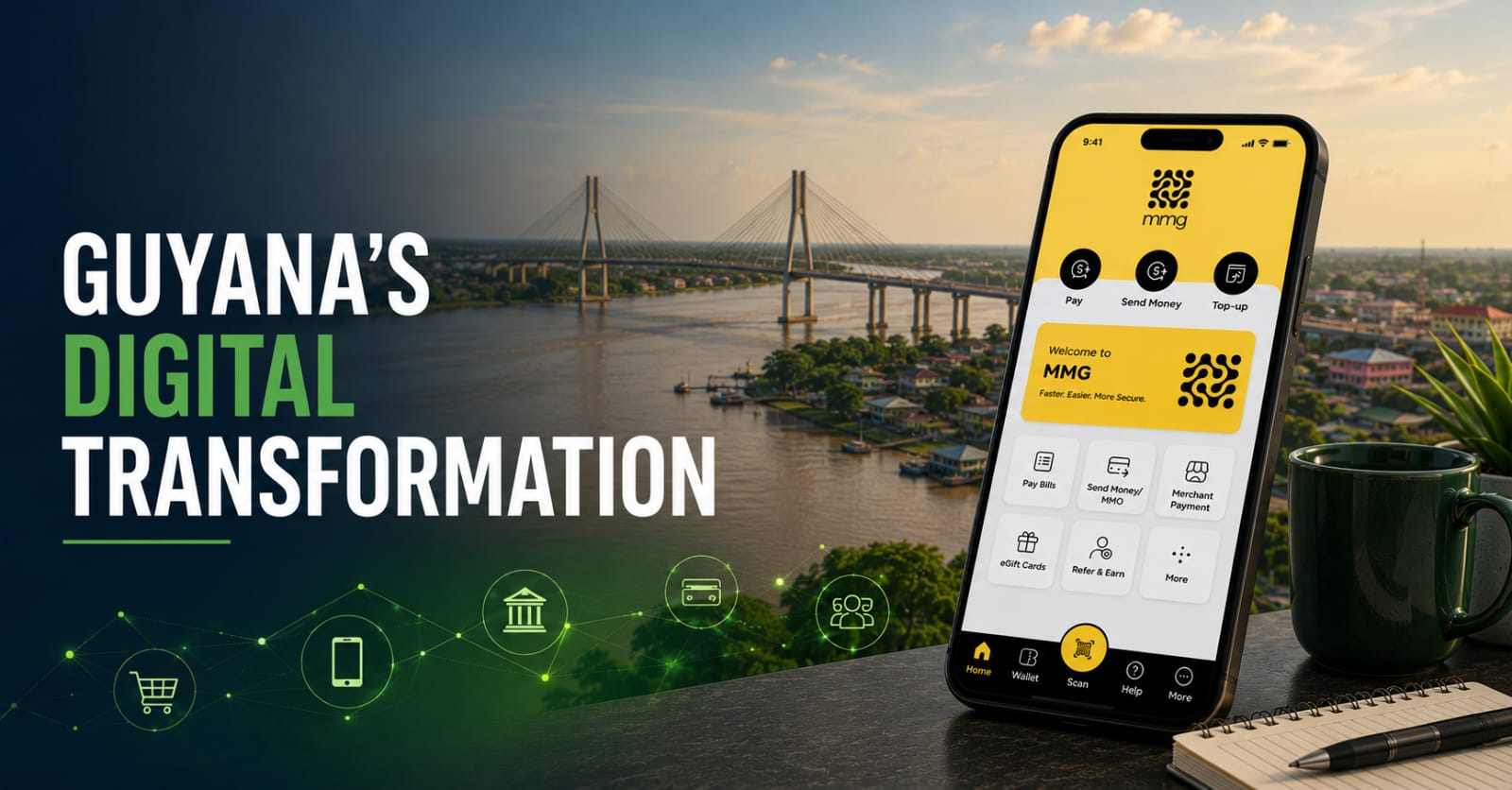
Guyana’s planned Development Bank is being designed to reach applicants through more than a central branch. President Irfaan Ali has outlined a mobile application for financing requests, dedicated desks inside commercial-bank branches and local entrepreneurs trained to help residents develop loan-ready proposals. The 21 September government account presents these as the bank’s intended access channels, including for hinterland, riverine and rural communities.
The plan addresses a practical problem in small-business finance. A lending programme can exist on paper and still be hard to use if applicants cannot reach its offices, understand the documentation or turn an idea into a viable proposal. An app may reduce travel, while a desk in an existing branch could provide a face-to-face route for people who prefer it. The reported facilitator model is intended to help bridge the preparation gap before an application is submitted.
Access is still a plan, not an open application
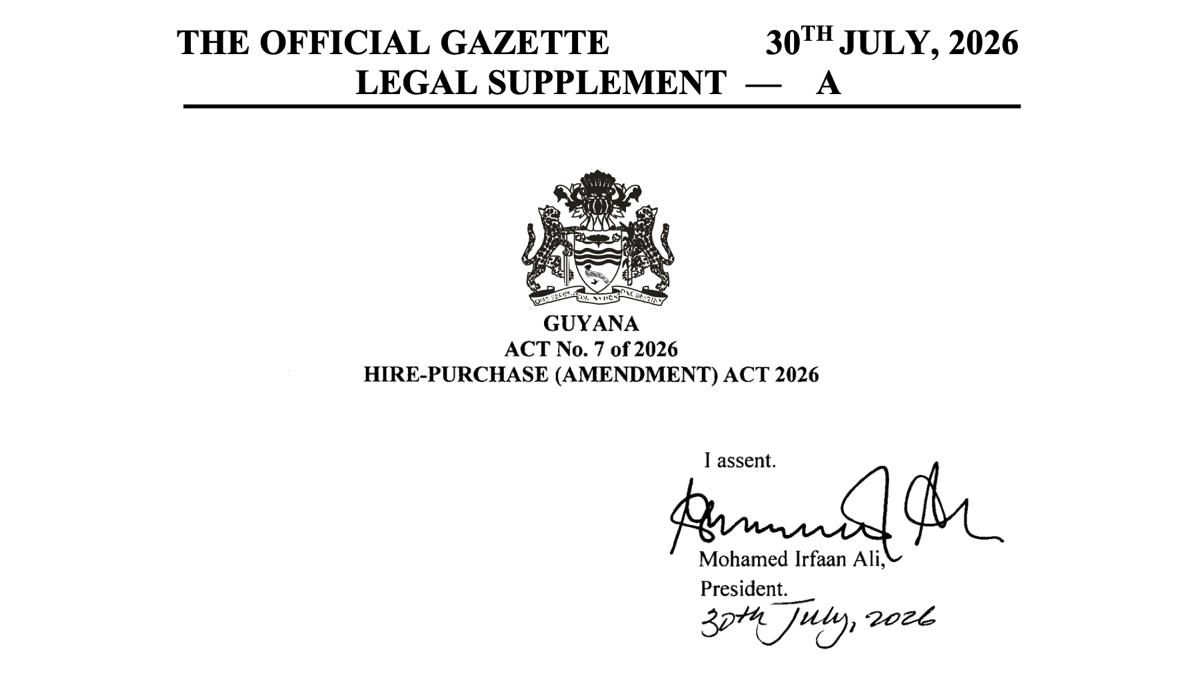
The government says the bank is planned to launch on 5 October. A separate 16 September Ministry of Finance release said the finance minister signed and gazetted a commencement order following the bank’s enabling legislation. That is a legal and organisational milestone; it is not, by itself, evidence that the mobile app is live, every partner desk has opened or loans are being disbursed.
The September releases describe an initial capital injection of US$100 million and financing for eligible borrowers of up to G$3 million at zero interest without collateral. Those terms are relevant background, but applicants still need the bank’s published eligibility rules, documents, approved channels and decision process. No business should treat a proposed app or an announced launch date as a current invitation to upload sensitive financial information to an unverified service. Earlier Invest Guyana coverage examined the bank’s opening timetable.
The operational test
The value of the access model will depend on execution. The public announcements do not yet provide a complete list of participating branches, app-store links, verified web addresses, training arrangements for facilitators or service standards for applications. Those details will determine whether the design becomes convenient in practice, especially for people far from urban banking centres.
The use of existing commercial-bank premises could speed physical reach without building an entirely new branch network. But a desk’s exact role will matter: providing information, helping prepare a file and making a credit decision are not automatically the same function. The bank should identify who receives applications, who assesses them and how applicants can verify that a representative is authorised.
For entrepreneurs, the immediate next step is to watch for an official launch notice that names the channels and explains how to apply. A sound business proposal and current financial records can be prepared in advance, but applications should go only through channels the bank itself confirms. For the wider market, the important measure will be not merely how many access points are announced, but whether qualified applicants can actually use them and receive decisions.
The Development Bank’s proposed app and desks could give its lending programme a national footprint. Whether they do so will become clear after the planned launch, when the official channels, eligibility criteria and first operational results can be checked.