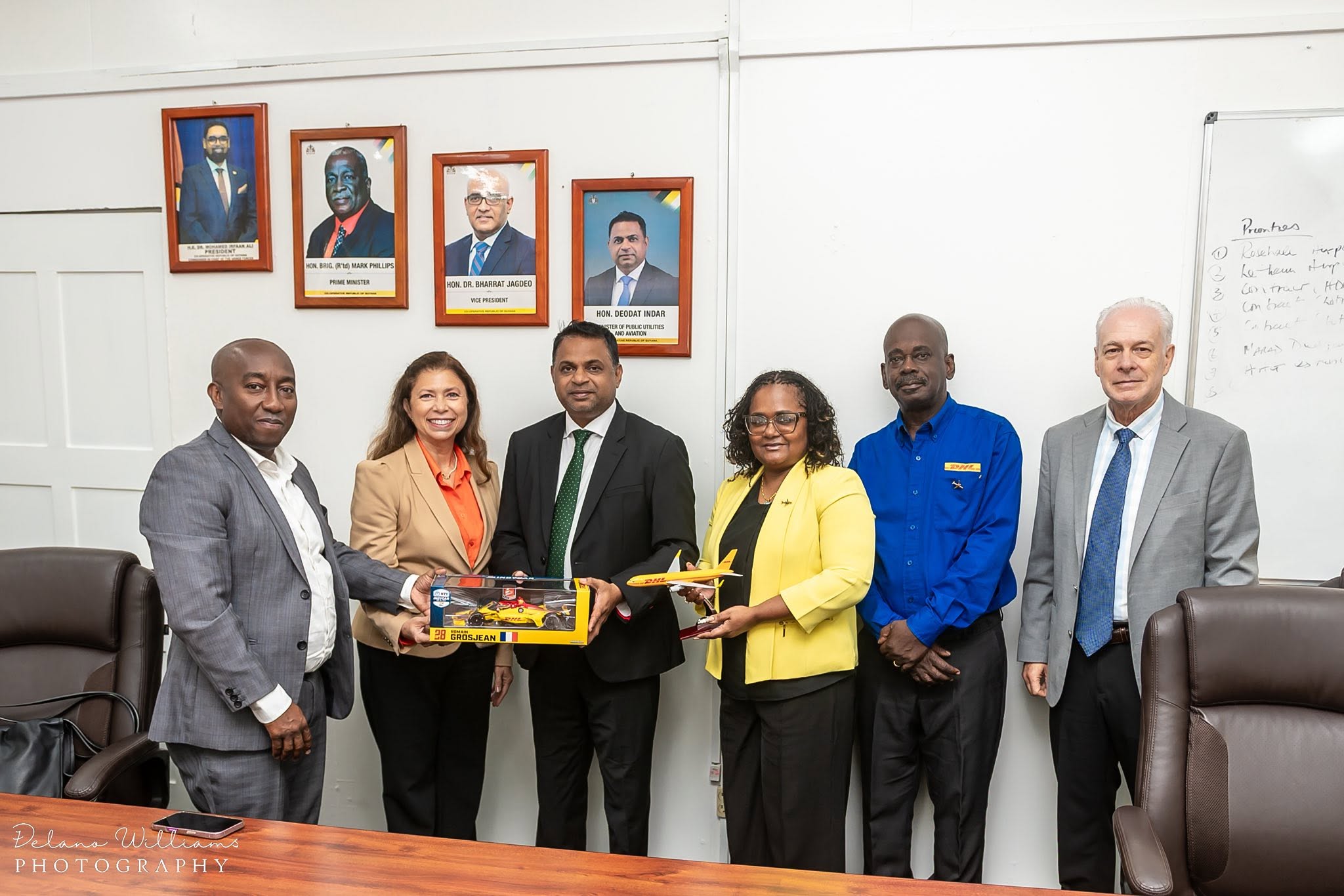
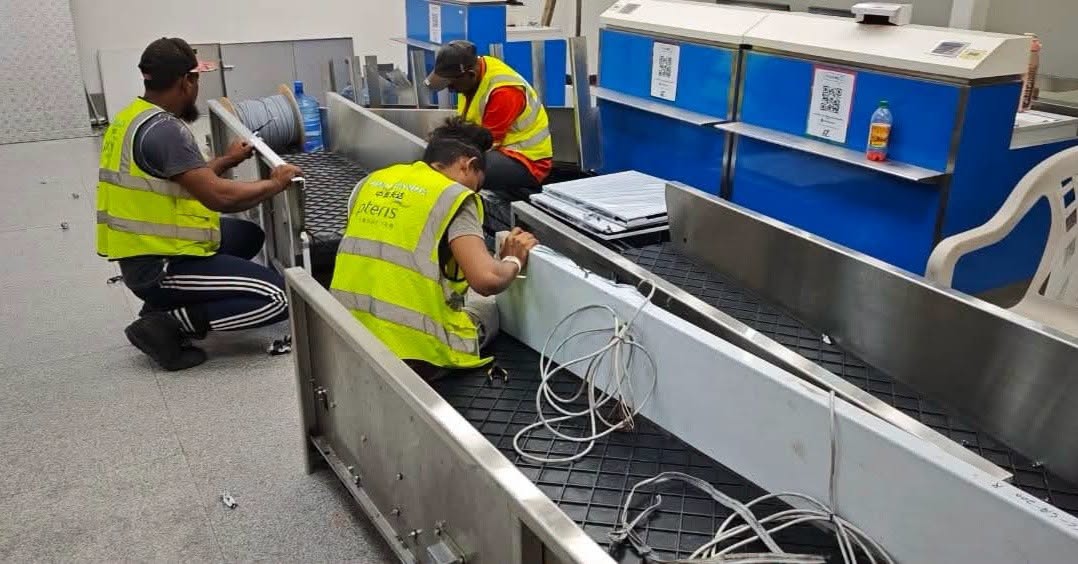
Image used for illustration by Invest Guyana News.
Guyana has secured representation on the International Civil Aviation Organisation’s Air Transport Regulation Panel, giving the country a direct role in technical discussions that help shape the economic and legal framework for international air services. The appointment adds another channel through which Guyana can contribute to the rules affecting connectivity, airline operations and aviation development.
The official DPI announcement says the appointment took effect on July 28, 2026. Dr Saheed Sulaman, Deputy Director General of the Guyana Civil Aviation Authority, has been named as Guyana’s representative.
ICAO is the United Nations specialised agency responsible for helping countries work together on international civil aviation. Its Air Transport Regulation Panel brings together technical specialists who contribute to the review and development of policies governing the economic and legal aspects of air transport. These are the rules and practices that influence how states manage air-service relationships, competition, market access and other issues that arise when aviation crosses national borders.
For Guyana, the appointment comes at a time when air connectivity has become increasingly important to the wider economy. Business travel, tourism, trade, cargo movement and investment decisions are all affected by the ease and reliability of reaching the country. As economic activity expands, participation in international aviation policy discussions can strengthen the technical capacity needed to engage with those issues early and constructively.
The role does not by itself create new routes or determine airline schedules. Its value is more strategic: it gives Guyana a voice in the specialist forum where international approaches are discussed and updated. That experience can support national regulators as they assess the policy choices that accompany a more connected economy.
The government has linked the appointment to its objective of positioning Guyana as a regional aviation hub and improving connections across the wider Caribbean and northern South America. Achieving that goal will depend on infrastructure, airline relationships, safety oversight, commercial demand and regulatory capability working together.
For investors, the development is another indicator that aviation is being treated as part of Guyana’s long-term connectivity agenda. Better connections can lower the friction of doing business, widen access to markets and make it easier for companies, technical specialists and visitors to move between Guyana and the region.