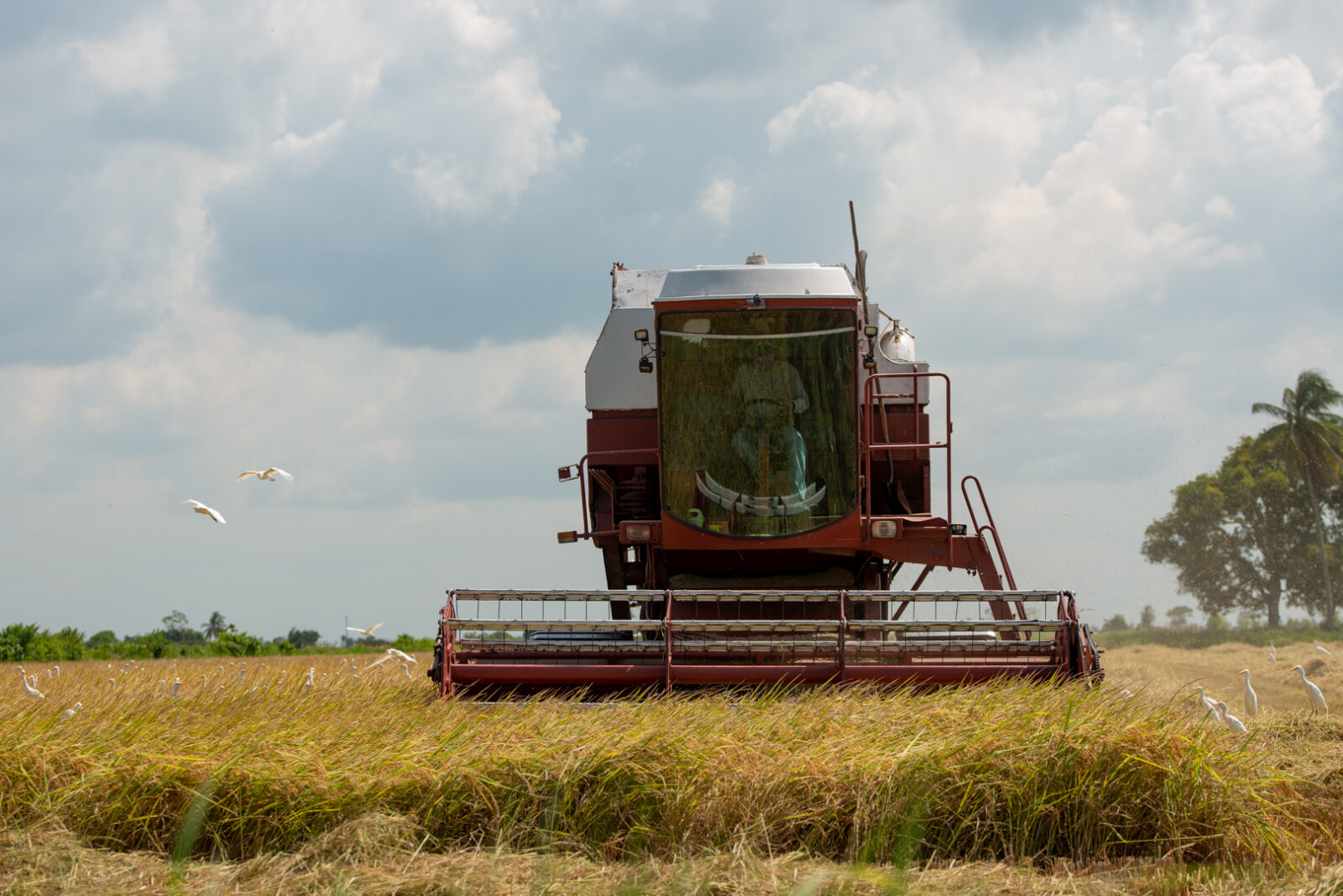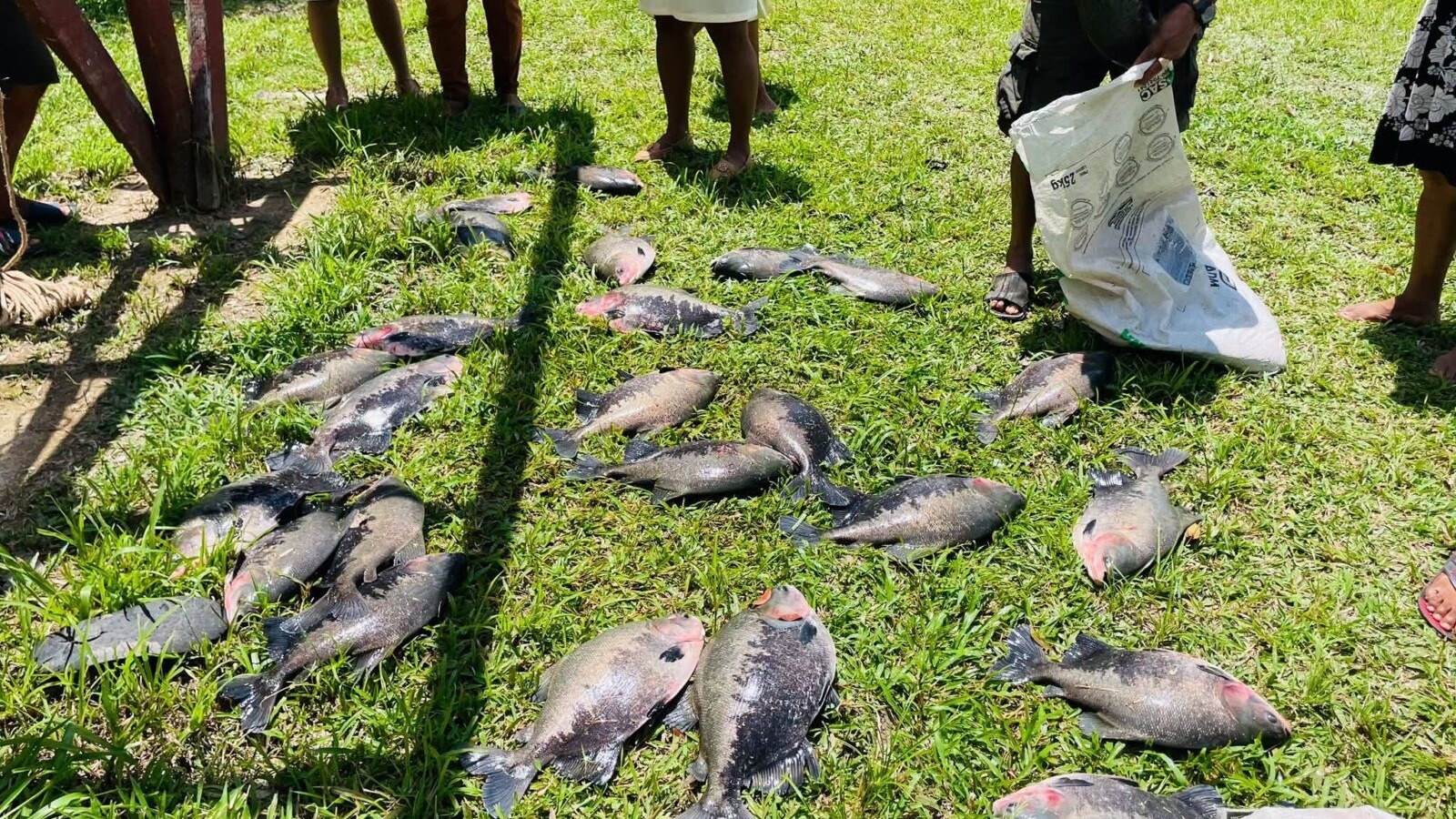
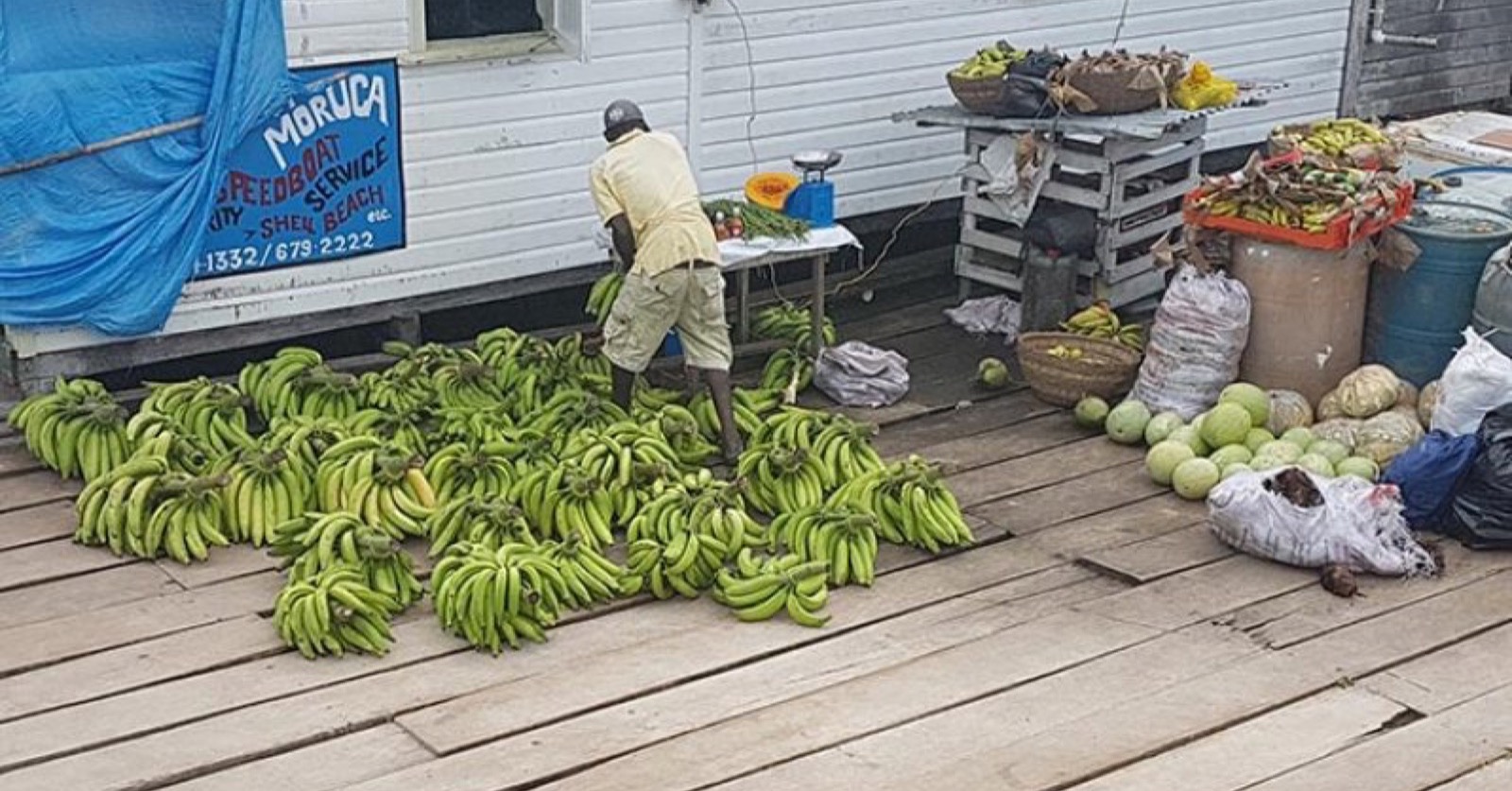
A farmer with a plantain harvest in Guyana — source: Department of Public Information/Ministry of Agriculture.
Guyana’s production across 15 priority agricultural commodities rose from 1.41 million tonnes in 2020 to 1.81 million tonnes in 2025, according to figures presented by Agriculture Minister Zulfikar Mustapha.
That represents an increase of 394,698 tonnes, or 27.9%, over the five-year period.
The production growth is being presented within Guyana’s wider effort to reduce CARICOM’s food-import bill. The regional objective cited in the September 1 official update is a 25% reduction by 2030.
The output increase does not by itself prove that the regional import-reduction target has been achieved. Production volume and the value of food imports are different measures, and the latter can also be affected by prices, product mix, trade flows and demand.
Livestock categories also recorded growth
The official release reports increases of 12.5% in livestock output, 11.5% in poultry, 11.7% in beef, 6% in pork and 12.4% in eggs.
Those percentage changes indicate expansion within the named categories, but the release does not provide the underlying production volumes, base periods or calculation tables for each one. They should therefore be presented as official figures rather than independently reconstructed results.
The ministry also said 300 acres of onion production are expected in Region Nine. That is a forward-looking plan, not a completed production result. Yield, harvest timing and market supply should be reported only when confirmed.
Regional food-security target remains the test
The minister said Guyana recorded a 77% “success rate” when assessed in 2025 against the food-security effort. The official release does not provide the methodology behind that measure, so it should not be converted into a claim that 77% of the import-reduction target has been delivered.
For investors, the more useful questions concern which crops and livestock products are growing, whether output is consistent, and whether storage, processing, logistics and market access are keeping pace.
Higher primary production can create opportunities in cold storage, packaging, transportation, feed, inputs and value-added processing. Those opportunities depend on reliable crop-level data, buyer demand and operating economics; they cannot be established from aggregate tonnage alone.
What should be verified next
Assessing the regional target will require production, import-volume and import-value data for the same commodities and period. Farm-gate prices, post-harvest losses, export volumes and processing capacity would provide additional context.
The current official update supports the finding that output across 15 priority commodities increased by 27.9% between 2020 and 2025. It does not provide enough detail to determine how much of CARICOM’s food-import bill was displaced by that production.
The commodity-level table and methodology behind the reported assessment were not included in the official release.