
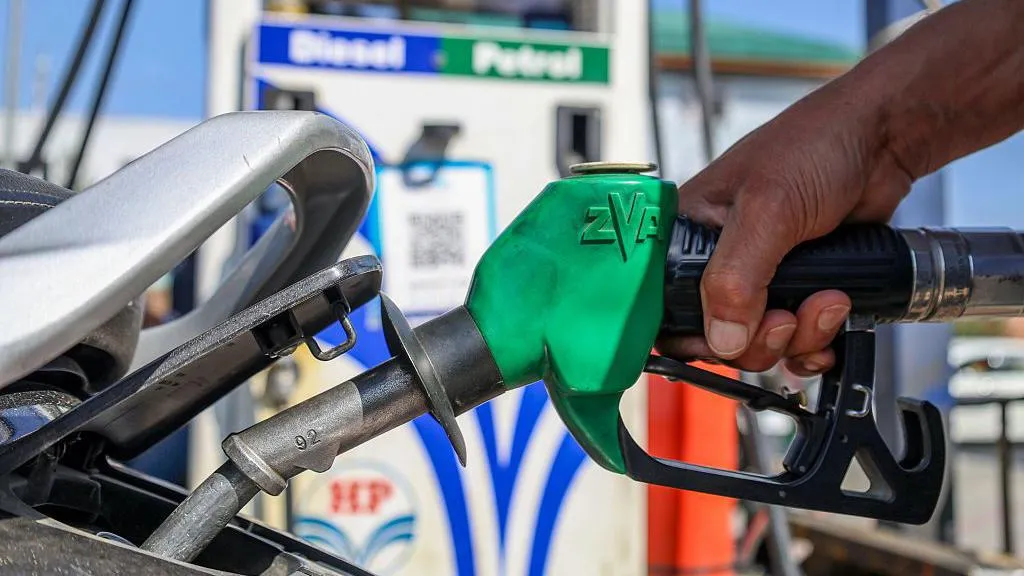
Global oil prices declined while stock markets rallied after the United States and Iran announced a framework agreement aimed at ending their conflict, easing concerns over possible disruptions to global energy supplies.
According to the BBC, Brent crude, the global oil benchmark, fell by more than 5% to $82.84 a barrel as investors reacted to news that the deal could lead to the reopening of the strategically important Strait of Hormuz.
US President Donald Trump said the agreement would allow oil shipments to resume through the vital shipping route, posting the message “let the oil flow” on social media. Iran’s Deputy Foreign Minister Kazem Gharibabadi also confirmed that an agreement had been finalised, while Pakistan, which helped mediate negotiations, said an official signing ceremony is expected in Switzerland on June 19.
The Strait of Hormuz has been effectively closed since tensions escalated after US and Israeli airstrikes on Iran on February 28. The waterway is a key route for global energy trade, with around 20% of the world’s oil and liquefied natural gas (LNG) supplies normally passing through it.
Oil markets experienced significant volatility during the conflict. Brent crude, which was trading near $70 a barrel before the crisis, surged to almost $120 as fears grew over potential supply shortages.
The prospect of a ceasefire and restored shipping routes boosted investor confidence, particularly in Asia. Japan’s Nikkei 225 closed 5% higher, while South Korea’s Kospi gained 5.2% as markets responded positively to expectations of lower energy costs.
European markets also recorded gains, with Germany’s Dax rising 1.3% and France’s Cac 40 increasing 1.2%. London’s FTSE 100 edged up 0.1%, although major oil companies including BP and Shell saw their shares fall as lower crude prices weighed on energy stocks.
Analysts said the agreement has reduced some of the geopolitical risks that had pushed oil prices higher in recent months. However, uncertainty remains as markets await further details on the terms of the deal and whether the Strait of Hormuz will fully reopen.
Vandana Hari of energy market analysis firm Vanda Insights warned that the lack of clarity around the agreement could lead to continued volatility in oil prices.
The development could have wider economic implications, with lower energy costs potentially easing inflation pressures for businesses and consumers worldwide, while improved stability in energy markets may support investment and global economic growth.