International oil prices climbed to their highest levels in three weeks Thursday as continuing disruption in the Middle East tightened supplies and renewed concerns about the security of one of the world’s most important energy routes.
October Brent crude increased to approximately US$92.82 a barrel during morning trading, while September West Texas Intermediate reached US$86.75. Both benchmarks advanced for a fifth consecutive session and were trading at their highest levels since late July.
The gains followed another day of severely reduced traffic through the Strait of Hormuz. Before the conflict, shipments equivalent to approximately one-fifth of global oil consumption passed through the waterway.
The United States maintains that the strait is open, while Iran says it remains closed. Whatever the legal or political description, actual petroleum traffic remains far below the levels recorded before US and Israeli strikes on Iran began February 28.
The United Arab Emirates’ suspension of financial and economic transactions with Iran added to market concerns. Washington has also threatened consequences against countries that provide economic assistance to Tehran, increasing uncertainty for traders, shipping companies, insurers and banks.
The disruption is now affecting refined fuels as well as crude oil. US distillate inventories, which include diesel and heating oil, fell for a third consecutive week. Crude inventories nevertheless rose unexpectedly by 4.4 million barrels, illustrating the conflicting supply signals affecting the market.
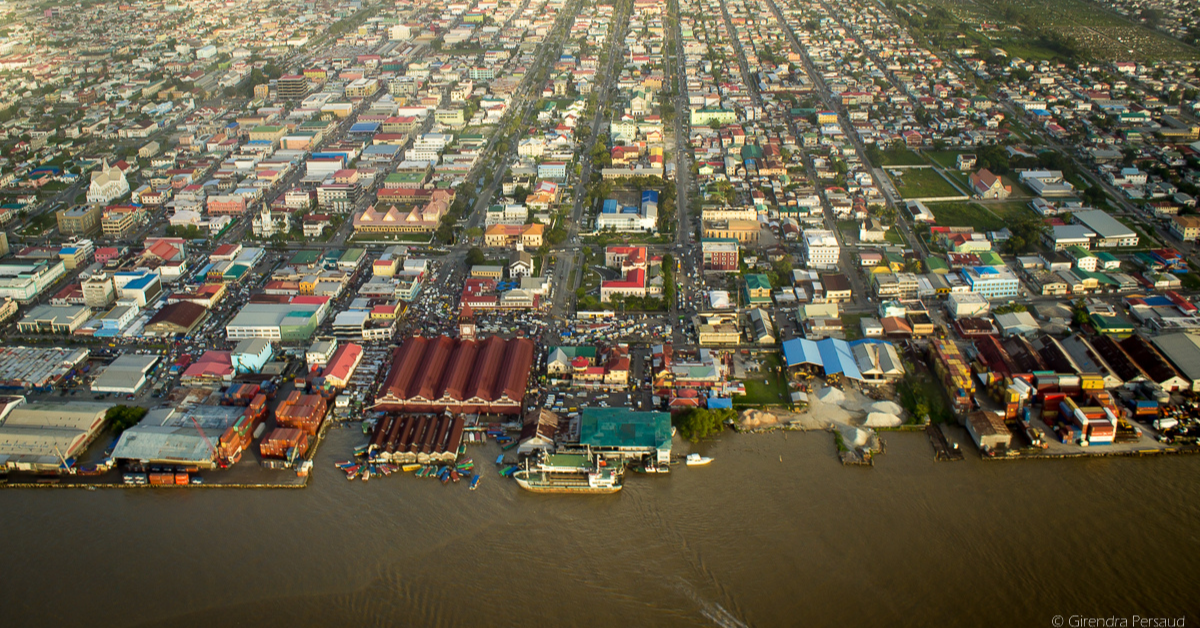
For Guyana, higher prices could increase the value of Stabroek Block crude exports and government revenue, particularly now that the country is entitled to a larger share of the block’s production following the recovery of development costs.
The wider Caribbean faces a less favourable effect. Most regional economies remain dependent on imported petroleum products, meaning sustained price increases can raise electricity, transportation and manufacturing costs. More expensive marine fuel and insurance could also increase the cost of imported food, construction materials and consumer goods.
Oil producers outside the Middle East may benefit from buyers seeking more secure supplies. However, a prolonged conflict could weaken global economic growth, reduce energy demand and raise borrowing costs, eventually offsetting part of the price benefit.