
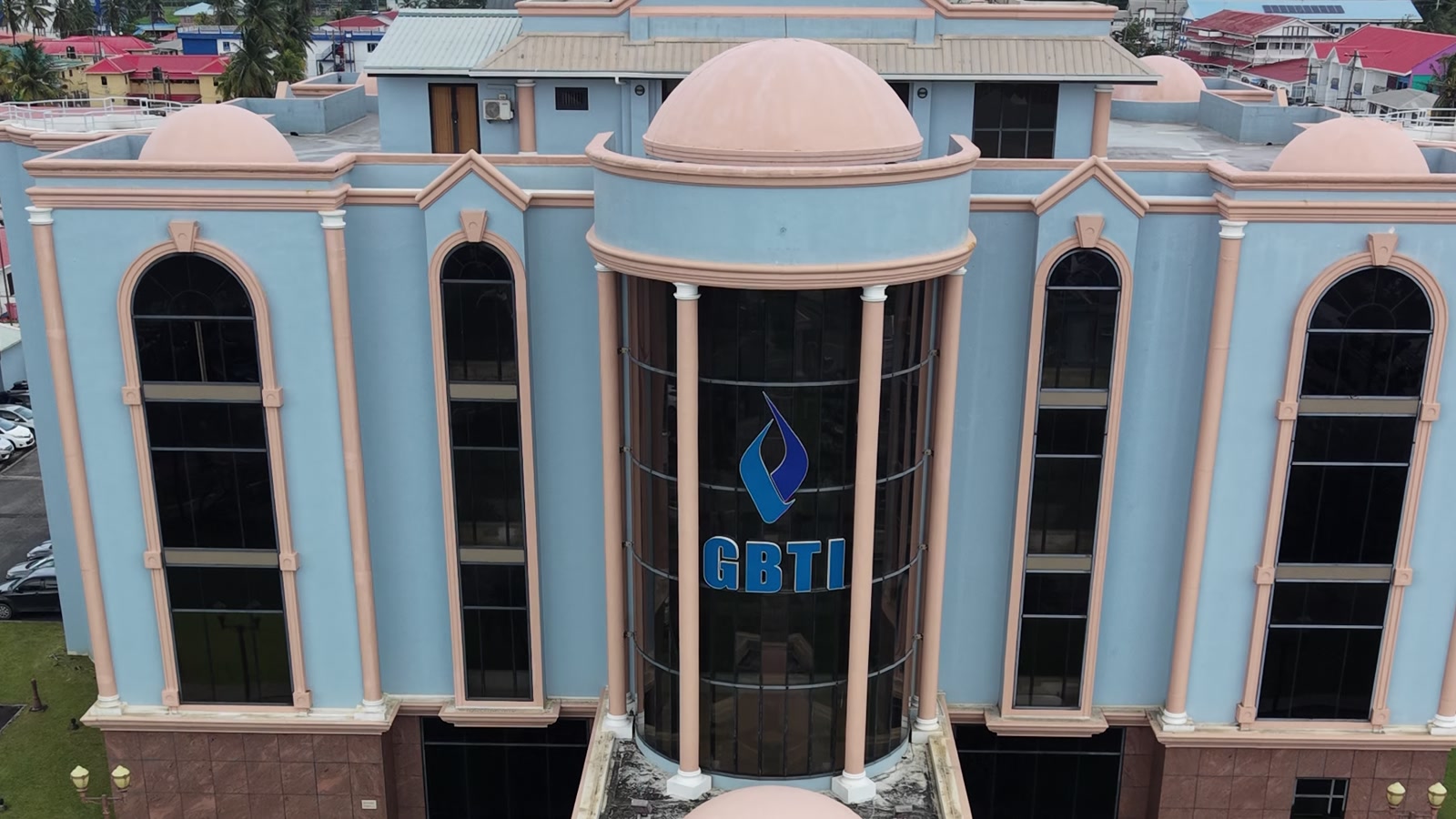
File image: GBTI in Kingston, Georgetown; the training launch is not pictured.
At least eight companies have pledged to employ participants in a new job-readiness programme for persons with disabilities, according to Labour and Manpower Planning Minister Keoma Griffith.
DPI’s 25 November report names GBTI and John Fernandes Limited among the employers. The five-day programme, launched at Cara Lodge in Georgetown on Tuesday, involves more than 30 participants and is led by the Central Recruitment and Manpower Agency. The Board of Industrial Training will provide quality assurance and completion certificates.
For the businesses involved, a useful placement starts with a defined job: its duties, hours, working arrangements and the skills needed to do it. A willingness to recruit is a promising opening, but a candidate still needs to know what is being offered. The announcement gives no breakdown of roles, pay or starting dates.
Matching training to an actual vacancy
The Labour Ministry’s description of CRMA’s recruitment work includes finding vacancies, matching qualified jobseekers to them and providing career guidance. Its National Job Bank connects employers and candidates according to skills and qualifications at no cost. For this cohort, that matching work can connect the preparation at Cara Lodge to employers with a suitable vacancy.
A successful match needs more than the name of an occupation on a certificate. Employers should be able to explain the work, assess relevant ability and discuss the arrangements an individual needs. Equally, a participant should have a chance to consider whether the role fits their training and circumstances, rather than being treated as available for any job.
There is already a training pipeline. In a separate account published on 25 November, DPI reported that 108 of the 168 persons with disabilities enrolled between January and September had graduated, with 60 still training. Those figures describe training progress, not a count of people placed in employment.
Employers looking for practical support can use the National Commission on Disability’s published services. NCD offers accessibility guidance to organisations and private agencies covering premises, services and communications, as well as staff sensitisation. Its services also include support for people facing workplace-rights or discrimination concerns. These are established services, not benefits newly announced with this programme.
Workplace preparation should begin before a new employee’s first morning. An accessible entrance does little on its own if the person cannot use the work area, receive instructions or get to the workplace reliably. The appropriate arrangements will differ between employees and jobs; they need discussion, not assumptions based on a disability.
The useful follow-up from Cara Lodge will be the jobs themselves: what participants are recruited to do, when they start, and whether the arrangements allow them to remain and progress. A placement is the beginning of that relationship. Retention and fair opportunities to develop will show more than a pledge alone.