Digital innovation is changing the way Guyanese work, bank, learn, and do business. As fintech solutions and AI-powered tools become part of everyday life, an important question emerges: are digital skills and workforce readiness evolving at the same pace?
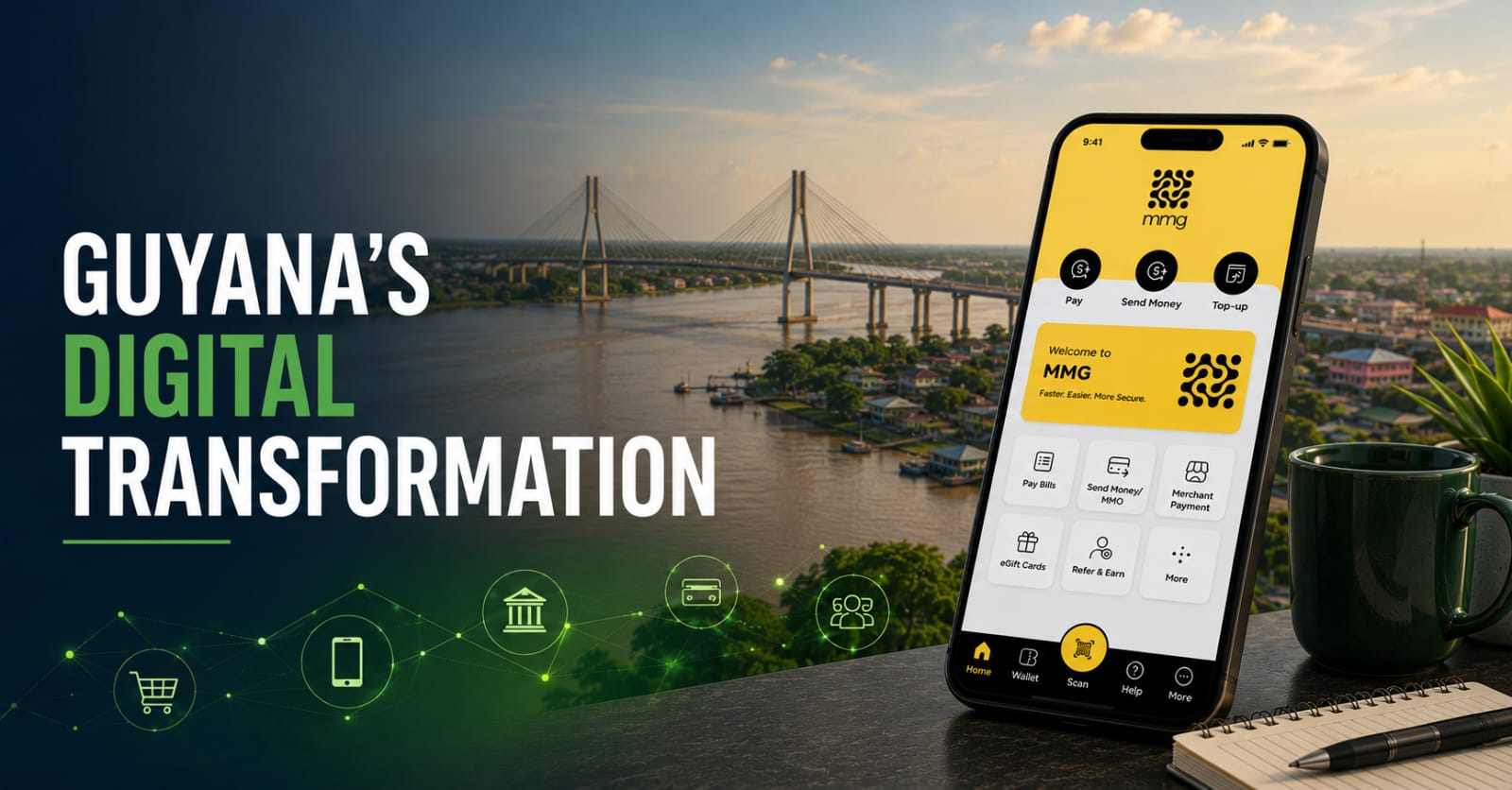
Across Guyana, digital technology is becoming increasingly embedded in everyday life. Mobile money services such as MMG and online banking platforms offered by Republic Bank, Demerara Bank, GBTI, and Scotiabank have transformed the way consumers access financial services. Transactions that once required a visit to a physical branch can now be completed from a smartphone, offering greater convenience and accessibility for users.
Fintech, or financial technology, is playing a growing role in the country’s digital transformation. Digital payment platforms and online banking services are helping businesses and consumers move money more efficiently while supporting broader participation in the economy. As these tools become more widely adopted, they are reshaping expectations around speed, accessibility, and convenience.
Artificial intelligence is also beginning to influence how people work, learn, and access information. Across industries, AI-powered tools are being used to improve productivity, analyse data, support customer service, and streamline operations. In Guyana, initiatives such as the Guyana Online Academy of Learning (GOAL) demonstrate the country’s growing embrace of technology-enabled learning and skills development, creating new opportunities for individuals to participate in an increasingly digital world.
The question is no longer whether Guyana will embrace digital transformation. We are already living it. From mobile payments and online banking to online learning and AI-powered tools in the workplace, technology is becoming part of everyday life. The more pressing question is whether digital literacy, workforce readiness, and technology awareness are evolving at the same pace.
For businesses, the implications are significant. As technology continues to transform industries, employers are increasingly seeking workers who can adapt to new digital tools and ways of working. For investors, access to a digitally capable workforce may become just as important as physical infrastructure when evaluating opportunities for growth and expansion.
The countries that benefit most from technological advancement are often those that invest not only in new tools but also in the knowledge and skills needed to use them effectively. As Guyana continues to modernise its economy, digital readiness may become one of its most valuable assets. Ensuring that workers, businesses, and institutions are prepared for the next phase of technological growth could help strengthen the country’s competitiveness in an increasingly connected global economy.