
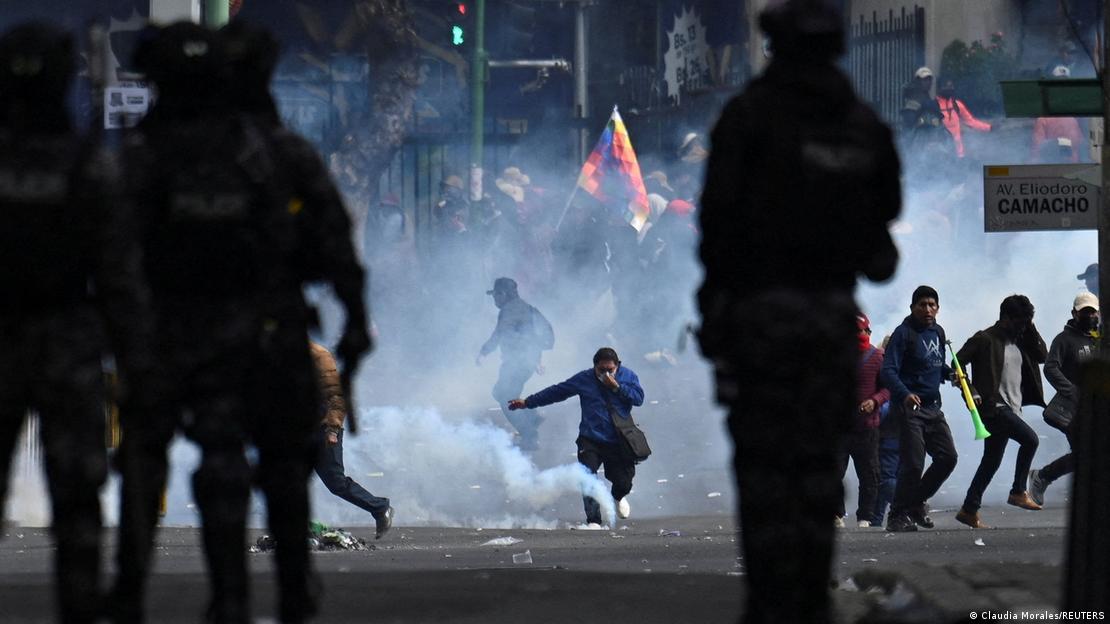
Bolivia’s worsening political unrest is intensifying the country’s economic challenges, with businesses, transport operators and consumers increasingly feeling the impact of prolonged protests and instability.
Weeks of demonstrations and road blockades across the South American nation have disrupted trade routes, delayed the delivery of goods and raised concerns about inflation and shortages. The unrest comes amid mounting frustration over Bolivia’s fragile economy, foreign currency shortages and rising cost of living.
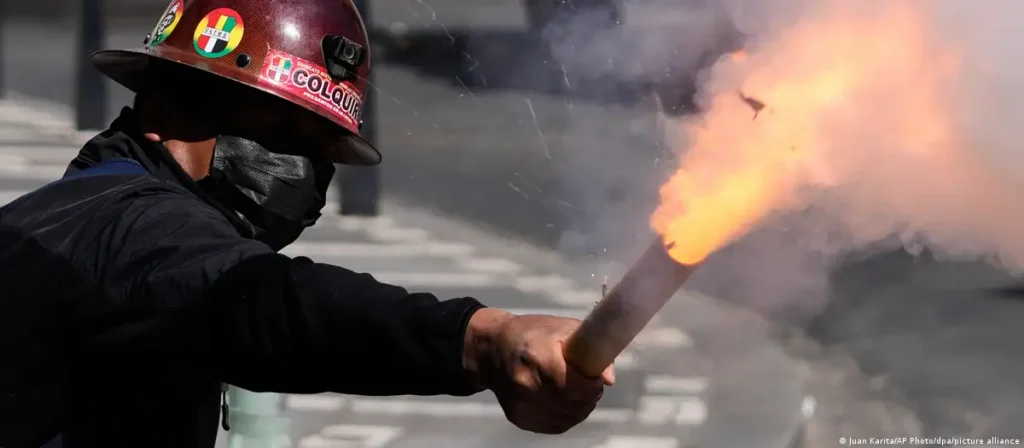
In the capital, La Paz, violent clashes between protesters and security forces have further heightened uncertainty, prompting some businesses and financial institutions to temporarily close operations. Analysts warn that the instability is undermining investor confidence and slowing economic activity at a time when the country is already facing financial strain.
Transportation disruptions have become a major concern for businesses, particularly those dependent on the movement of food, fuel and medical supplies. Hospitals have reportedly warned about declining oxygen reserves due to blocked roads, while retailers and suppliers face increasing logistical costs.
Economists say the continued protests could contribute to higher inflation as supply chains remain constrained and access to essential goods becomes more difficult. Small businesses are also expected to face declining sales as consumer confidence weakens and economic uncertainty grows.
The unrest follows the election of center-right President Rodrigo Paz, whose administration has promised economic reforms after nearly two decades of socialist leadership. However, opposition resistance and ongoing demonstrations threaten to delay recovery efforts and deepen the country’s economic crisis.
Observers warn that unless political tensions ease soon, Bolivia could see further disruptions to trade, reduced foreign investment and increased financial hardship for businesses and households alike.
Source: DW.com