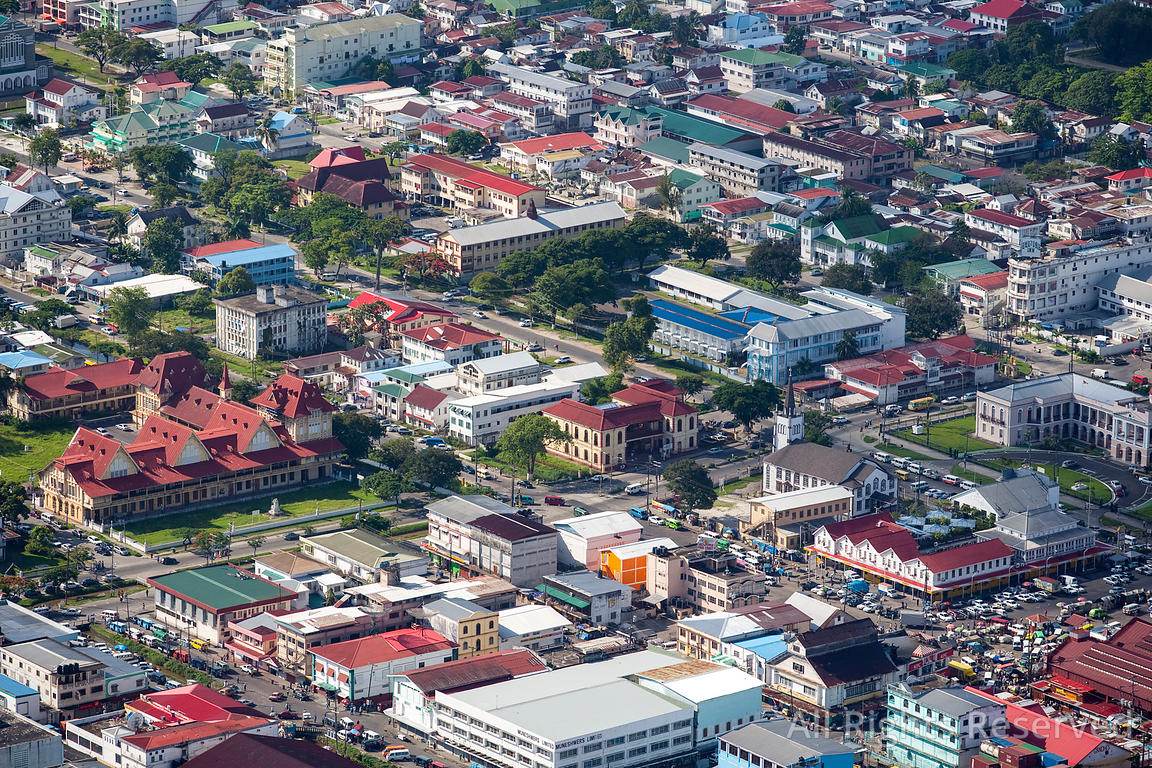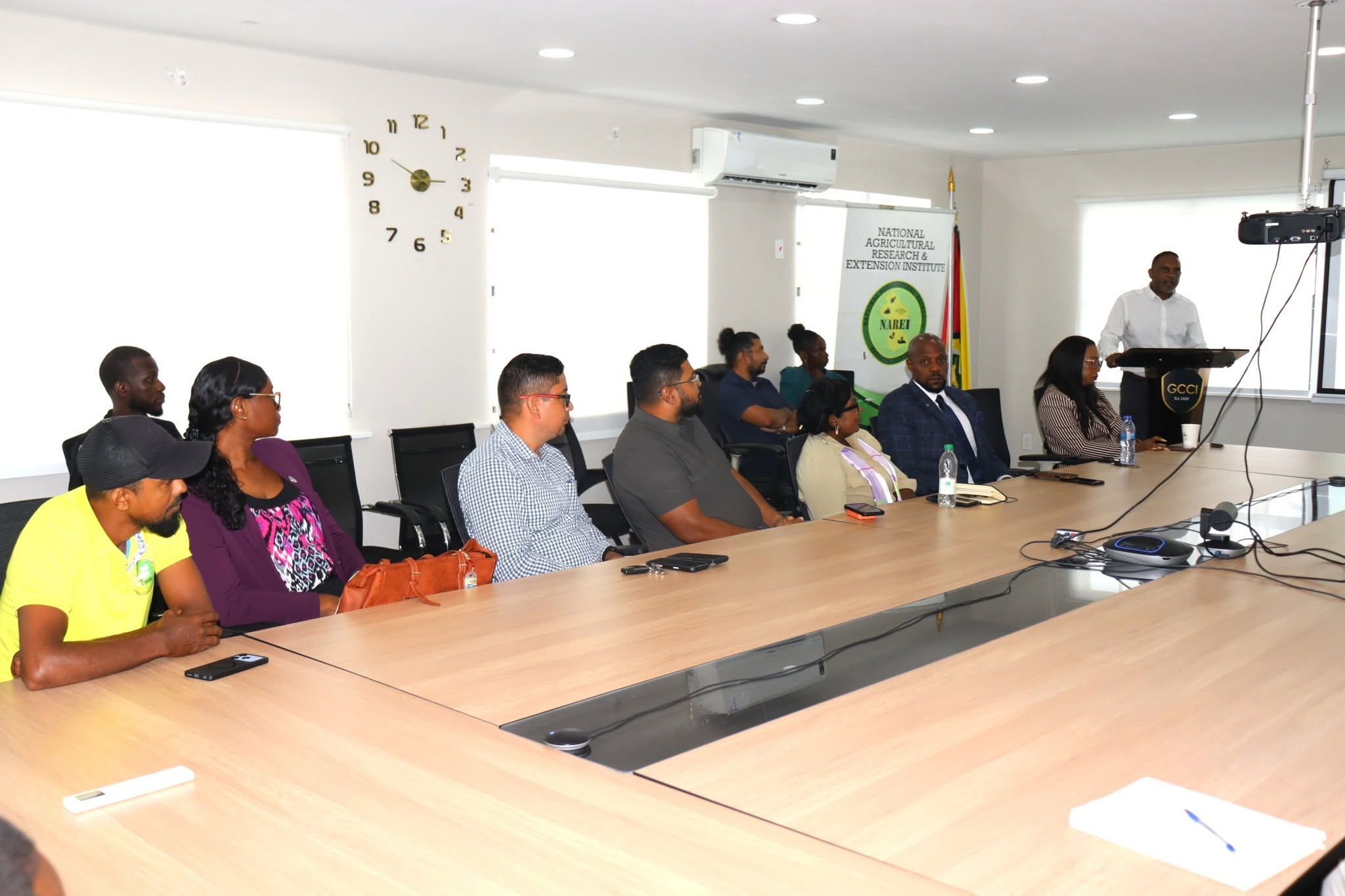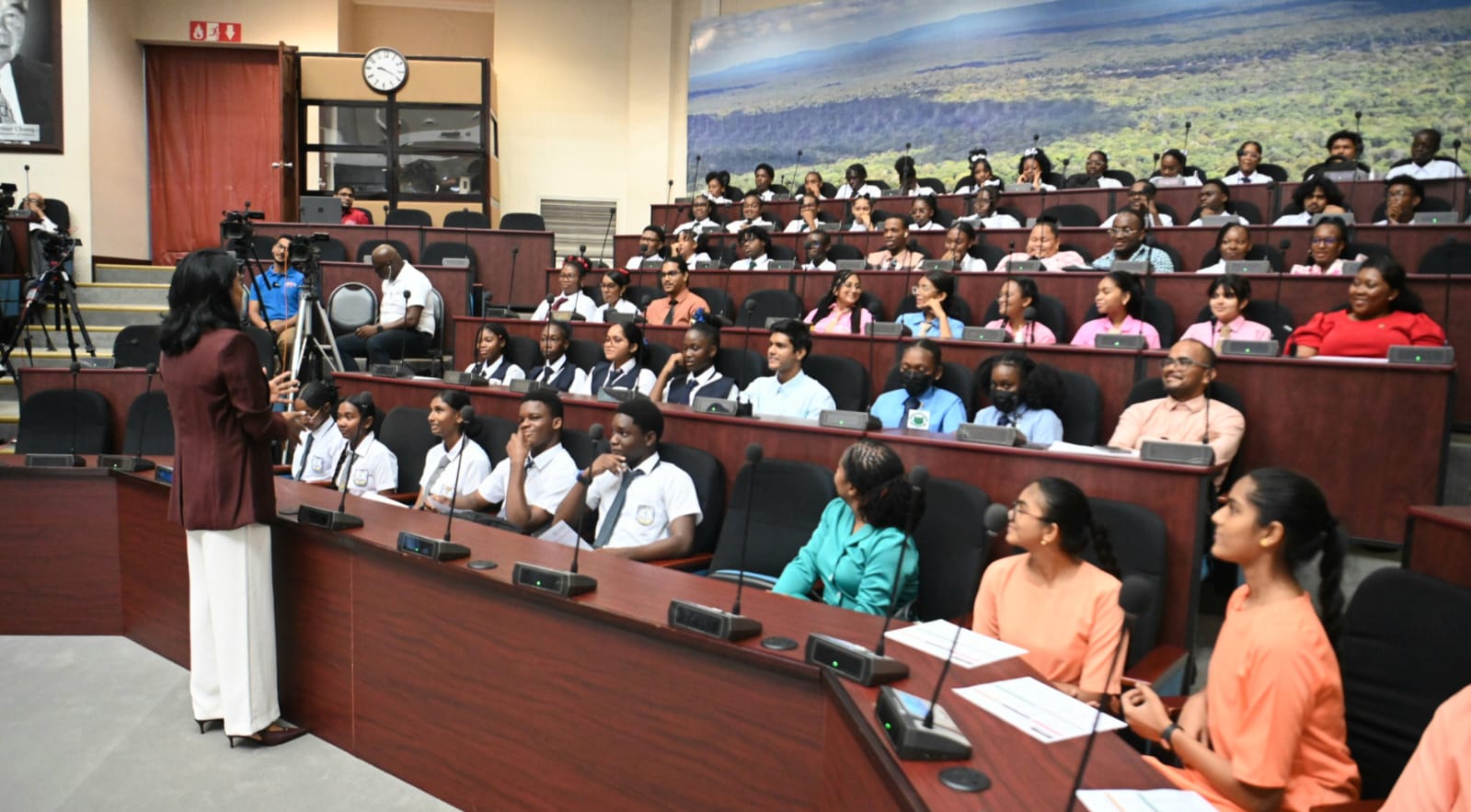
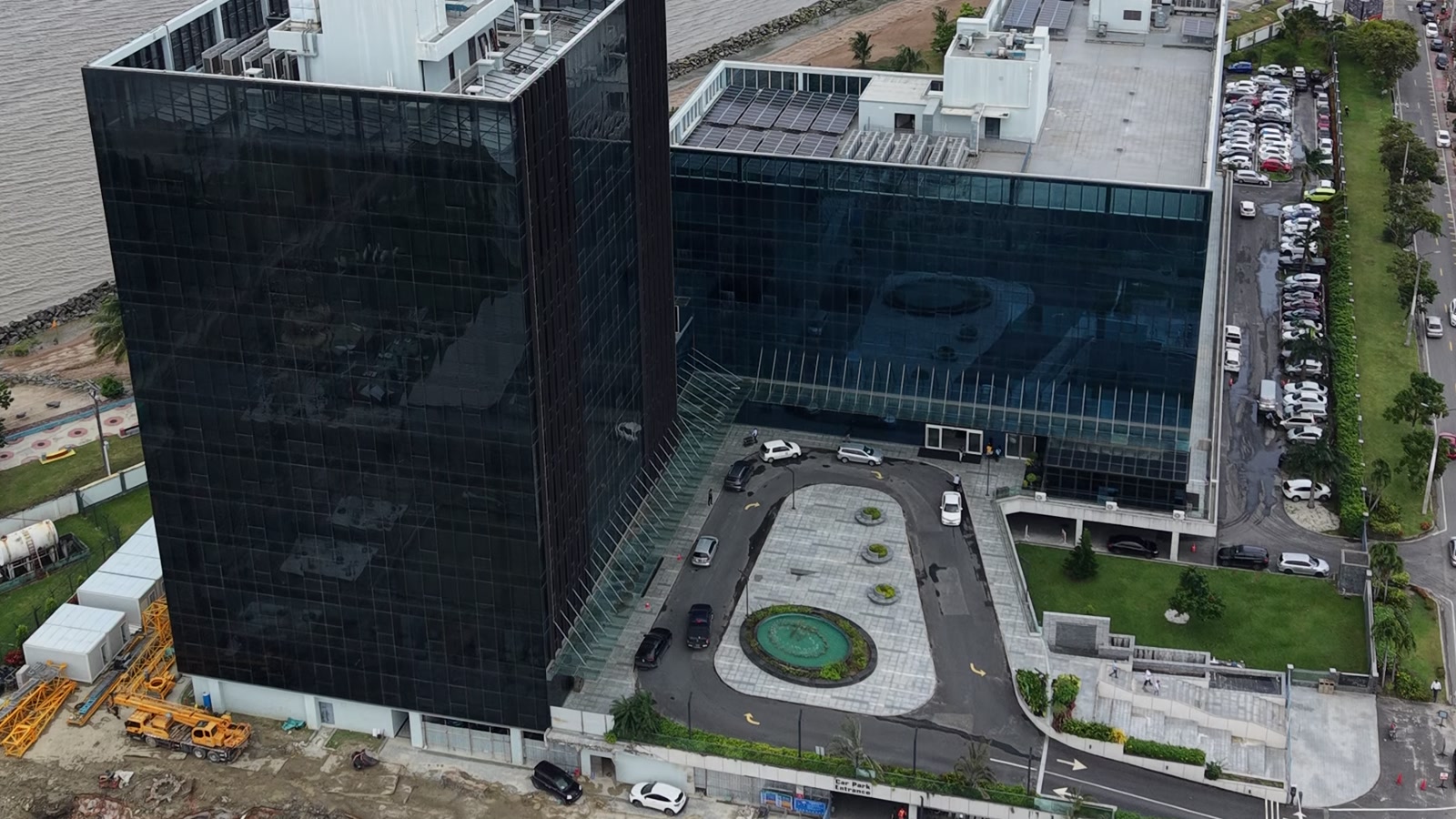
File image: Kingston waterfront, Georgetown; no funded event is pictured.
Guyana’s tourism ministry has secured G$200 million in supplementary funding for an expanded events programme, with Minister Susan Rodrigues promising a fuller breakdown of visitor spending and length of stay. For businesses investing in rooms, transport and tours, those figures would help show how the country’s growing visitor traffic is translating into sales.
The Parliamentary Committee of Supply approved the provision on 23 November. In DPI’s account of the proceedings, Rodrigues linked the request to events added after budget preparation, with Christmas Village still ahead.
The minister reported that Guyana hosted 18 major conferences during the year, bringing more than 10,000 visitors. Those included the Caribbean Tourism Organisation’s State of the Industry Conference, or SOTIC. The organisation’s own conference record confirms that Guyana hosted SOTIC for the first time from 5 to 9 October 2026.
Event support is part of the ministry’s existing remit. Its Department of Tourism lists organising signature events and strengthening regional tourism committees among its functions. The latest allocation expands that programme; it is not an announced grant available directly to individual hotels or tour businesses.
Put the arrival figures in their period
Rodrigues referred to 408,349 arrivals so far this year. That number had already appeared in DPI’s 5 November account of GTA figures as the January–October total. It should therefore be read as a ten-month figure, rather than a fresh count through the parliamentary sitting.
The earlier report recorded 47,726 arrivals in October, up 12.8 per cent on October 2025. It identified the United States and the Caribbean as the largest source markets for that month. This gives operators a more useful starting point than treating every arrival as the same kind of customer: a conference delegate, a returning relative and a leisure traveller may book different services for different lengths of time.
The promised breakdown was not included in that parliamentary report. Businesses still lack the detailed account of visitor spending and stays that would help them assess the market by service and location.
A hotel assessing an event calendar needs to know more than how many people entered the country. Paid room nights, the dates of demand and the rate actually collected affect whether extra rooms can earn their keep. For a tour operator, the corresponding questions are how much time visitors have away from the event and whether they can book an excursion that fits it. These are investment questions, not results established by the arrival total.
From an event booking to a wider sale
A conference can create a concentrated period of work for a caterer or transport provider. Turning it into a longer stay takes another sale: a day trip, a river journey, a meal or an overnight visit. An operator has to price that service against transport, staffing and the time available, rather than assume delegates will add it to their programme.
The GTA’s licensing guidance identifies distinct requirements for guides, tour operators, accommodation establishments and interior lodges. Its online licensing portal accepts applications across those categories. For businesses combining accommodation with an excursion, using those channels to check the relevant provider and requirements is a practical part of assembling a service a visitor can actually book.
The allocation also follows the recent launch of seven tourism experiences, covered in Invest Guyana’s earlier report. That launch concerned products offered by operators. This week’s development concerns public spending on the expanded programme and the evidence the ministry intends to provide about its visitors. They are connected parts of the visitor economy, not the same announcement.
The next useful addition to the event calendar is the spending and stay information Rodrigues promised. It would let a business compare the demand being promoted with the bookings it can serve, and give the public a firmer basis for assessing what the additional G$200 million delivers.