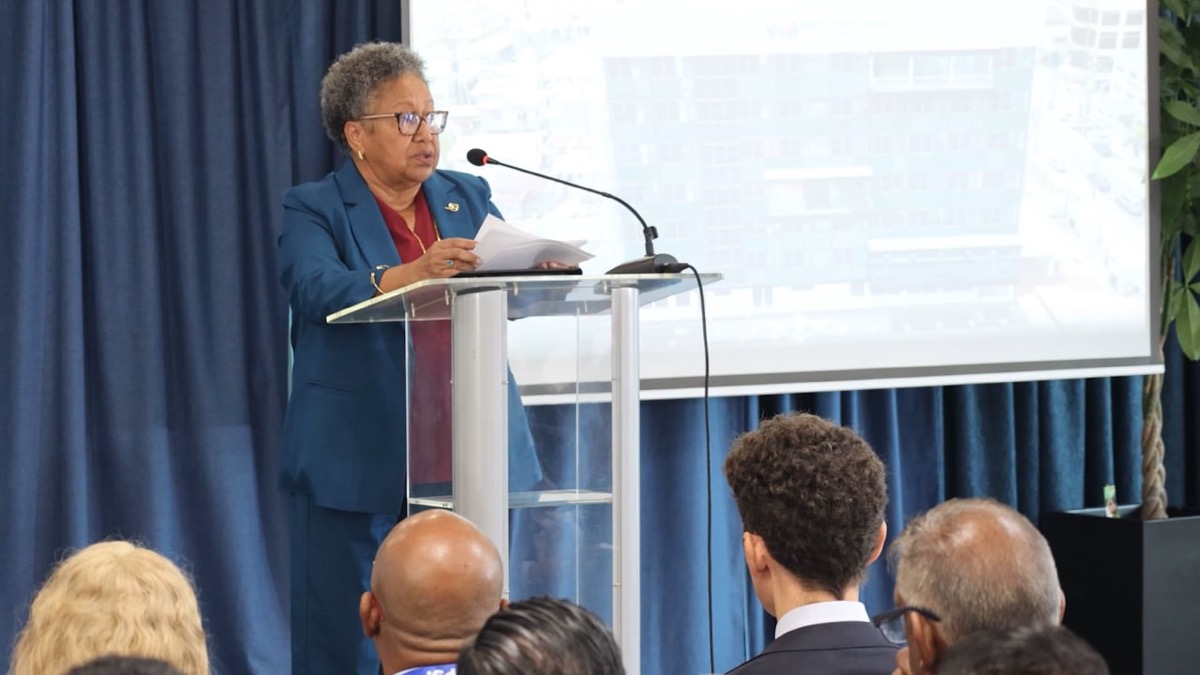
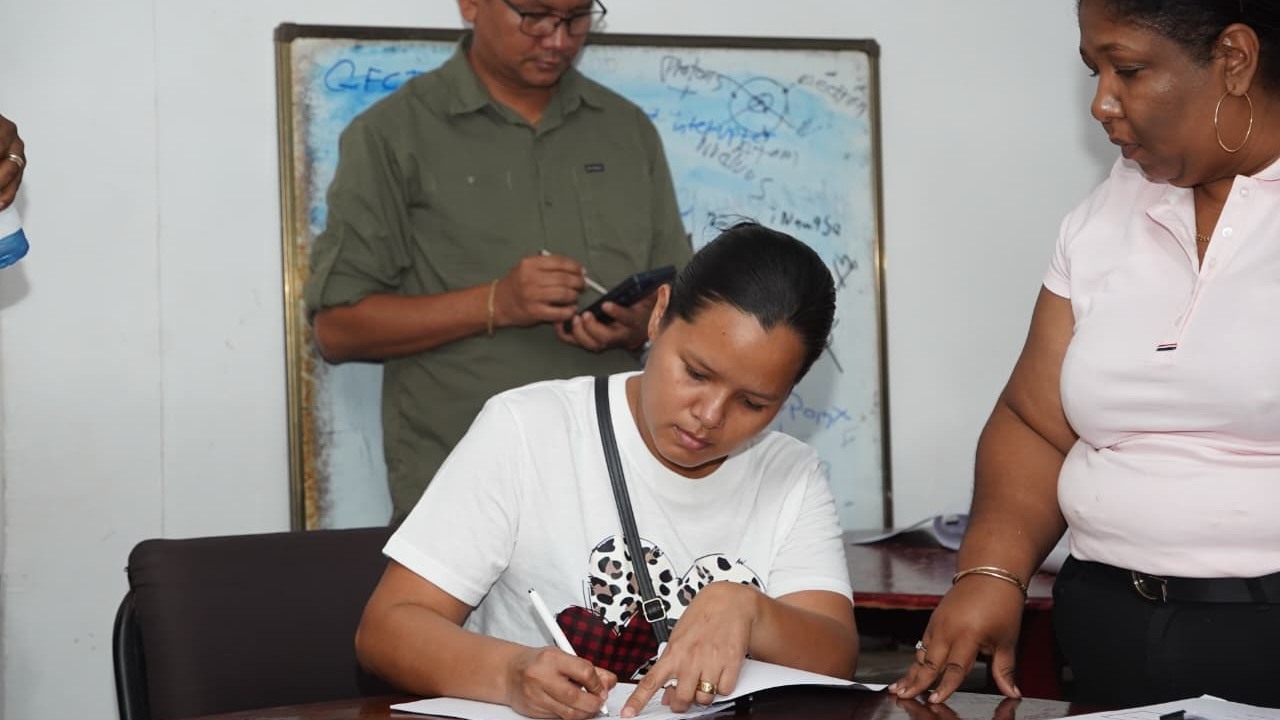
Photo: Department of Public Information, Guyana.
For a supplier in Mahdia, a new road contract can mean a customer preparing to hire equipment or buy materials. The longer-term business benefit is different: a road that makes it easier to deliver goods. These are two stages of the investment, and they depend on different things.
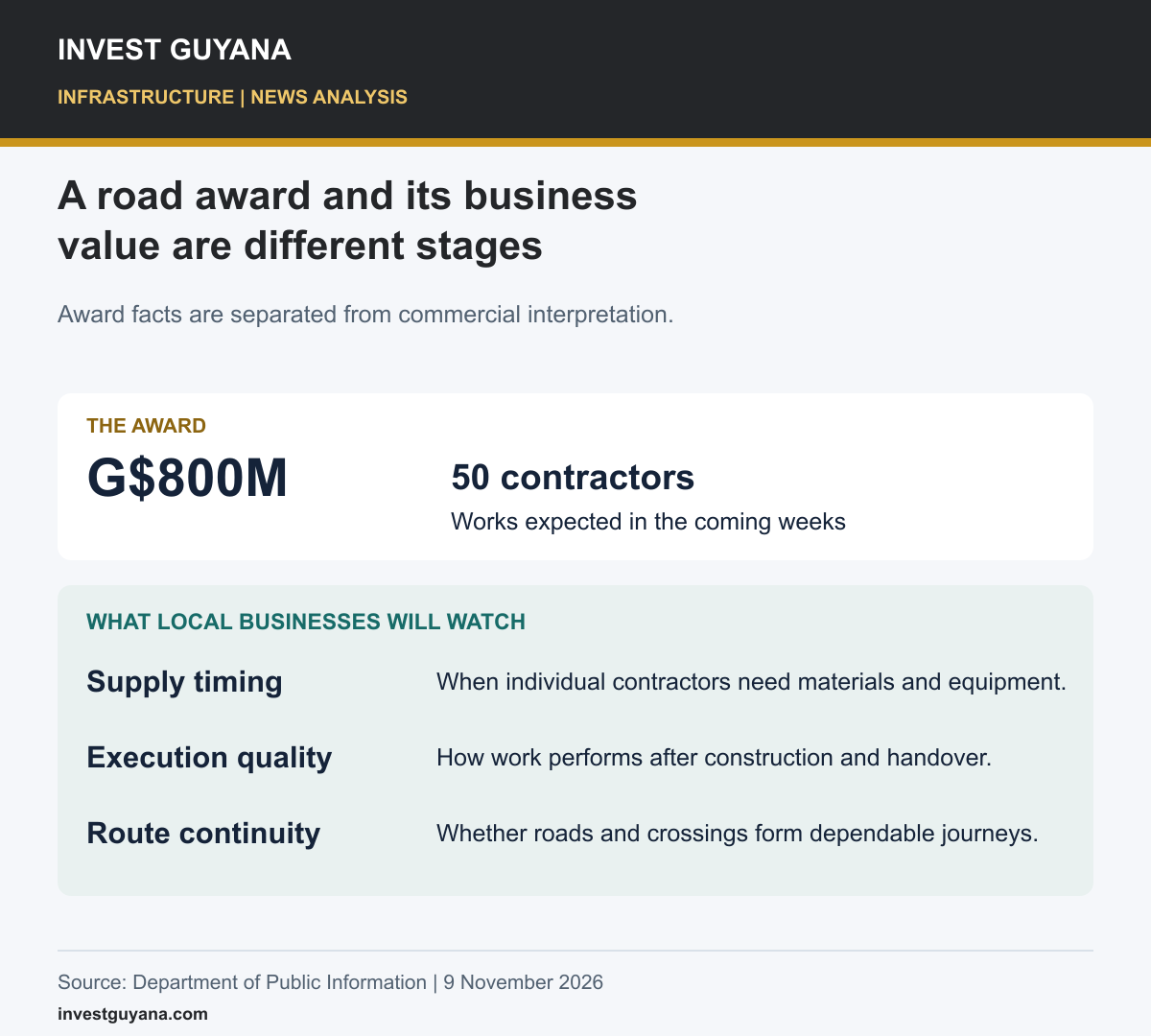
Fifty contractors have signed road-improvement contracts valued at G$800 million in Mahdia, Region Eight, according to a DPI report published on 9 November. Works are expected in the coming weeks, with Campbelltown, Seven Mile, Brian Sucre Junction and Tiger Hill among the areas named.
Local awards create a delivery task
Public Works Minister Juan Edghill emphasised the use of community contractors and the circulation of spending through workers and suppliers. The immediate business opportunity is therefore tied to the resources needed to carry out the jobs, rather than the headline value alone.
The sequence of work matters. Several contractors starting together could require similar materials, transport or equipment at the same time. Staggered starts would create a different pattern of demand. Those possibilities make the actual mobilisation schedule important to suppliers deciding how much capacity to commit.
A supplier needs to understand what an individual contractor requires, when it is needed and whether the order can be delivered. A contractor, in turn, has to coordinate labour, equipment and materials with the requirements of the job. Local knowledge can help, while engineering oversight and execution quality remain central to how the completed work performs.
One crossing restored and another still needs intervention
A separate 9 November update provides a concrete example of the access issue. Edghill said a bridge restored after fire damage was back in use. At a different crossing, he identified steep approaches and wet-weather difficulty, outlining a higher concrete bridge and improved approaches as the longer-term response.
Restoring one crossing can return a link to use while an approach elsewhere remains a constraint. For a business arranging deliveries, the journey extends beyond its own frontage: stock has to move along the whole route. The steep approach identified by the minister shows why attention to individual road sections and the connections between them matters.
The two reports do not establish that bridge works form part of the G$800 million package. The crossing updates provide context for assessing access, rather than an additional sum or completed element to add to the road awards.
Business value after construction
Construction spending can create activity while work is under way. Its longer-lived value depends on an improvement that remains useful to the people moving along the route. For commerce, dependable access can be as relevant as a faster journey, because stock and delivery arrangements depend on knowing when a trip can be made.
That connects two different decisions for local enterprise: supplying the construction activity and planning around the network that emerges afterwards. The first depends on actual orders and delivery timing. The second depends on the quality and usefulness of the completed infrastructure. Mahdia’s signed contracts put the work ahead; the commercial benefit will be established through execution and use.