Guyana’s new Development Bank began operations on 5 October with an online application portal and two lending tracks for small and medium-sized enterprises. The government says approved borrowers can access up to G$3 million without interest or collateral, but the facility remains a repayable loan rather than a grant.
Photo: Department of Public Information, Guyana.
The launch turns a programme that had been announced, legislated and budgeted into an operating institution. Invest Guyana previously reported the planned mobile and community access model; the material change is that the portal is now live and the government has published the two product bands. The most important questions therefore move from policy design to delivery: who qualifies, how quickly applications are assessed, how borrowers are supported and whether the public capital produces sustainable businesses.
Two loan tracks now available through the official portal
The government’s launch statement says applications can be made through the bank’s official portal at gdb.gov.gy. The platform separates financing into two products.
Quick Loans cover amounts from G$50,000 to G$300,000 and use a simplified process with reduced documentation. SME Loans cover amounts above G$300,000 and up to G$3 million and require additional information, including relevant business proposals and plans.
Applicants for Quick Loans are expected to provide their name and an E-ID or passport number; the government says some fields will populate automatically for E-ID users. For approved applications, funds are to be paid directly into the borrower’s bank account, while repayment is to be handled through the banking system.
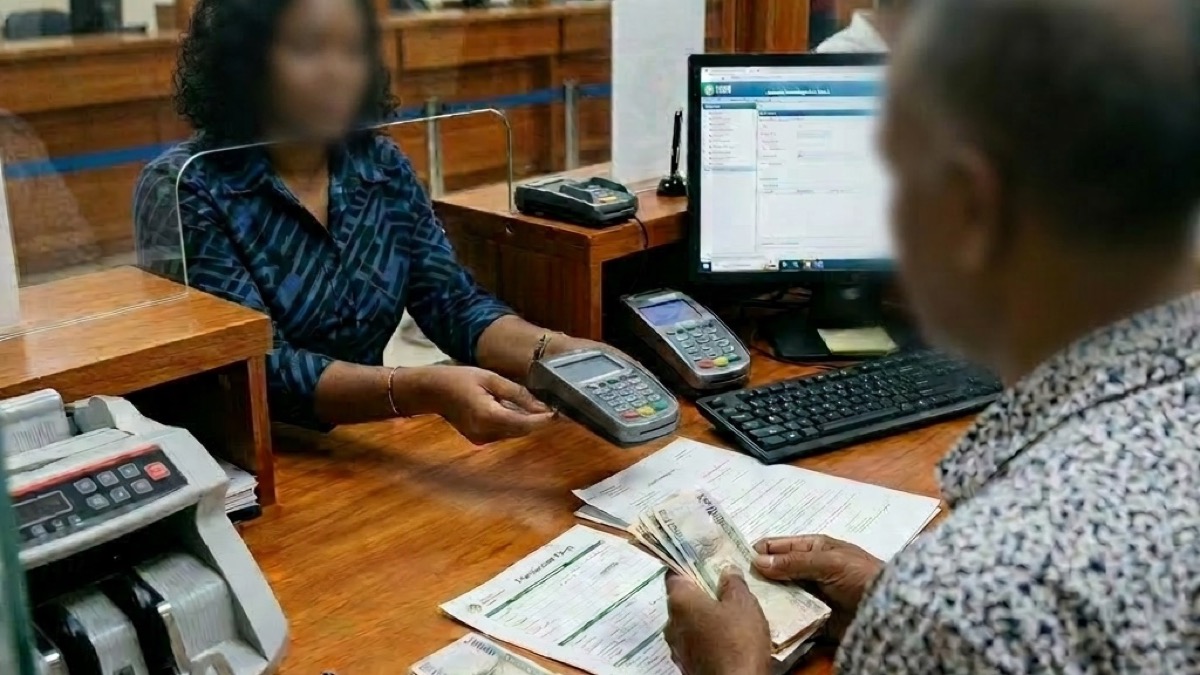
The government also says help desks will be established at selected service centres and commercial banks for applicants who need assistance. Locations and assigned staff were still due to be announced later in the launch week, so this is an announced access channel rather than a service point applicants can yet assume is available.
Those details confirm that the institution is operating, but they do not make financing automatic. The official material does not promise approval, publish a universal decision time or remove the need for an applicant to demonstrate that the proposed business can repay the loan.
Zero interest does not mean free money
The bank’s defining offer is financing without interest and without a collateral requirement. For an early-stage entrepreneur, removing those two barriers can make formal credit accessible when a commercial lender might require property, an established operating record or both.
The government has repeatedly stressed that the facility is not a grant. Borrowers remain responsible for repayment, and the bank will need to assess whether a proposal is viable before public money is committed.
That makes business preparation important. An applicant should be able to explain what the enterprise will sell, who its customers are, what equipment or working capital is required, how much the business is expected to earn and how repayments will be met if revenue develops more slowly than planned.
Applicants should rely only on the bank’s official portal and published channels. They should not pay anyone who promises guaranteed approval or claims to bypass the formal process.
G$20 billion provided as the first capital tranche
Budget 2026 allocated US$100 million, approximately G$20 billion, for injection into the Development Bank. The official launch account describes that amount as the first tranche of the institution’s G$40 billion authorised share capital.
The scale gives the bank room to influence small-business finance, but capitalisation is not the same as results. The meaningful measures will be the number and value of approved loans, their regional and sector distribution, processing times, business survival and repayment performance.
The legal framework also matters. A September commencement announcement said the bank’s financial records are to be examined annually by the Auditor General and that an annual operating report must be prepared for the National Assembly and the public.
Those reports should make it possible to assess whether the portfolio is reaching viable enterprises while preserving enough capital to support future borrowers.
Board appointed as operations begin
The bank’s first seven-member board took office on the operational date. The official board announcement names Abu Zaman as chairperson and Kathy Smith as deputy chairperson, with James Bond, Sukrishnalall Pasha, Dion Inniss, Nalinie Singh and Dr Praem Rambharak serving as directors. Their initial terms run to 31 December 2027.
For investors and business owners, governance is more than an administrative detail. The board will be responsible for translating a broad financial-inclusion mandate into lending rules, risk controls and service standards that can be applied consistently across all ten regions.
The government says mentorship, business guidance, technical support and capacity-building will accompany lending. Those services could improve the chances that first-time borrowers use funds productively, but their availability and impact will need to be measured after implementation.
Why the launch matters for the wider business market
Guyana’s rapid expansion is creating demand in agriculture, agro-processing, tourism, manufacturing, services and technology, yet many small firms remain too young or too lightly capitalised to obtain conventional finance.
The Development Bank could help close that gap by allowing entrepreneurs to purchase equipment, build inventory, formalise operations or expand capacity without an interest charge. President Irfaan Ali has said disciplined repayment is intended to help borrowers establish a credit record; if that occurs in practice, the programme could help more businesses graduate into the commercial banking system.
That outcome is not guaranteed. Zero-interest lending still carries administrative costs and credit risk, while rapid disbursement without adequate assessment could weaken the portfolio. The bank will need to balance access with sound underwriting, transparent reporting and practical support for borrowers.
The launch is therefore an important opening, not a completed economic result. The portal is live and the lending framework has been announced; the next evidence will come from applications processed, loans disbursed, businesses financed and repayments made.
What applicants and investors should watch next
Prospective borrowers should review the official portal for the latest eligibility and documentation requirements before submitting personal or financial information. Product rules can change, and the launch statement does not publish every underwriting condition or repayment schedule.
The wider market should watch for the bank’s first operating statistics: approval volumes, average loan size, sector allocation, regional reach, processing times, arrears and the delivery of mentorship services.
Those measures will show whether the Development Bank is simply distributing inexpensive credit or building a durable pathway into formal enterprise. Its promise lies in removing barriers; its credibility will be established through consistent decisions, viable borrowers and public accountability.