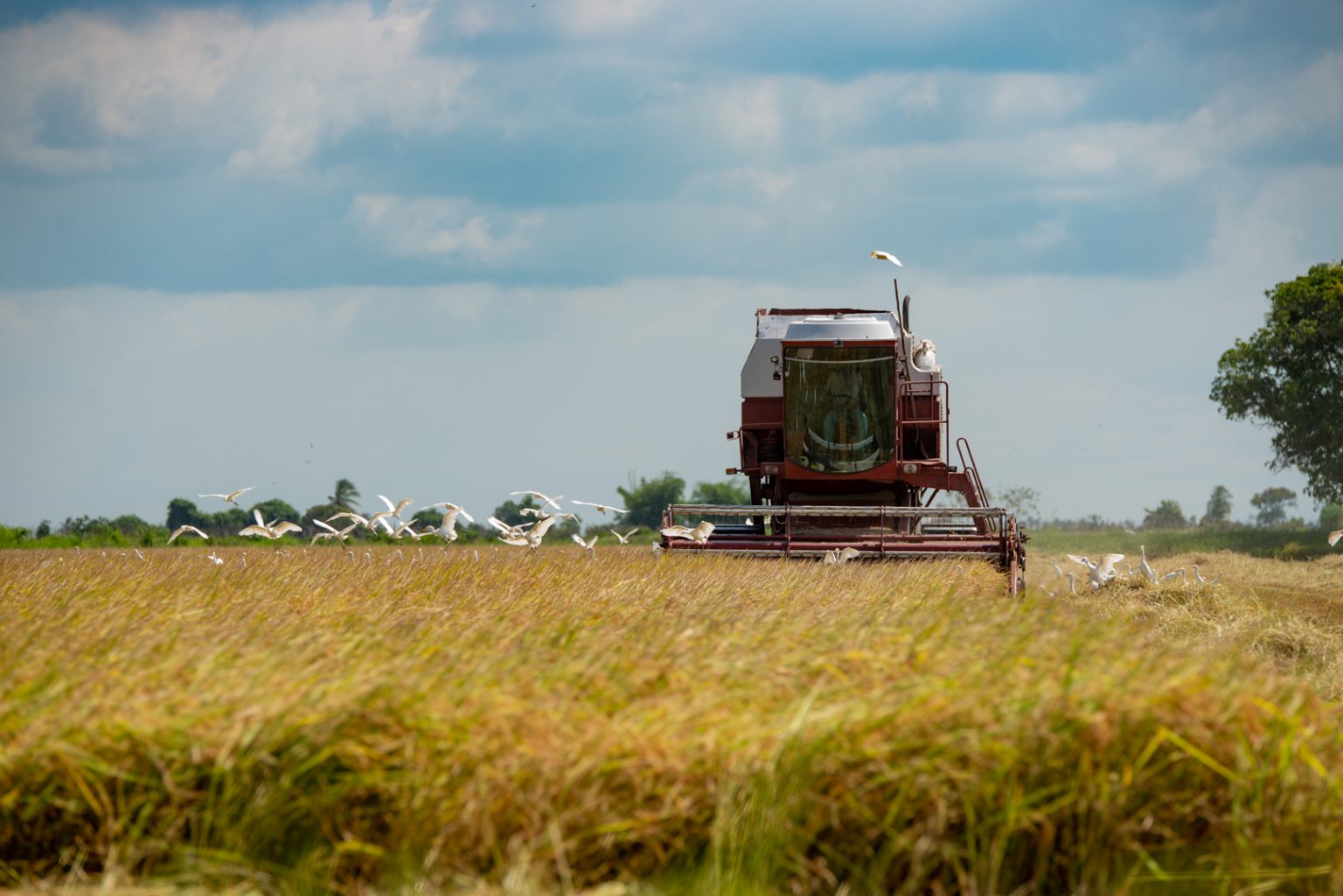

Farmers attend the Region Five engagement on agricultural land and production issues (Source: Department of Public Information).
Forty-nine farmers previously issued leases at Seafield in Region Five are to be facilitated to occupy their respective lands, according to a September 5 government update.
Agriculture Minister Zulfikar Mustapha announced the decision during a meeting with farmers and residents from Seafield and Shieldstown. The intervention is intended to resolve a dispute that the ministry says has affected agricultural activity for several years.
The announcement is an important land-access step, but the official release does not state the acreage involved, identify the lease numbers or boundaries, or provide a date for physical occupation. It also does not say whether surveying, demarcation, drainage or access works must be completed first.
Separating competing land uses
The dispute involved competing concerns among cattle farmers, cash-crop farmers and multi-purpose crop farmers.
The minister said land would be divided so that both sides could occupy the area. Farmers involved in multi-purpose cropping would receive portions of land, while cattle farmers were asked to organise themselves into a group before individual leases were issued.
That account establishes the proposed resolution but does not provide a map, allocation schedule or the precise legal and operational arrangement for collective cattle farming. Those details will determine how boundaries, access routes, fencing, water use and potential conflicts are managed.
The 49 farmers covered by the immediate announcement were described as people who had already received leases. Their position should not be conflated with cattle farmers who may still need to organise and complete a separate lease process.
Infrastructure and markets remain part of the issue
Farmers at the meeting also raised access to agricultural land, drainage and irrigation, farm-to-market roads, payments involving the Mahaica-Mahaicony-Abary Agricultural Development Authority and market opportunities for shrimpers.
These issues show that legal access to land is only one part of productive use. A lease or permission to occupy does not by itself guarantee that a plot has dependable drainage, irrigation, road access, electricity, storage or a ready market.
The agriculture ministry said it would take steps to remove obstacles to production and improve conditions. However, the release does not publish budgets, works contracts, engineering schedules or market agreements connected to the concerns raised.
Farmers and agribusinesses should therefore distinguish the confirmed land-access decision from infrastructure and market measures that still require detailed implementation.
What farmers should verify
Before taking possession, each farmer should verify the surveyed boundaries, legal description, lease term, permitted use, fees, payment status and any conditions attached to the land.
Practical arrangements will also be needed for access roads, canals, pumps, fencing, livestock movement and the separation of cattle from crop production. Clear records of any agreed division will be important to prevent the dispute from re-emerging.
The next useful official update would confirm when the 49 farmers have been placed on their lands, the acreage covered and whether supporting drainage, irrigation and farm-to-market works have been approved.
Until that confirmation is issued, the verified position is that the government has committed to facilitating occupation by 49 existing leaseholders as part of a wider effort to settle the Seafield dispute.