Guyana’s rapidly expanding oil production is helping to increase demand for tankers as growing volumes of crude from the Americas are transported over longer distances to customers in Asia.
The development forms part of a wider shift in global oil trade as Guyana, Brazil, Argentina and the United States increase their contributions to Western Hemisphere supply.
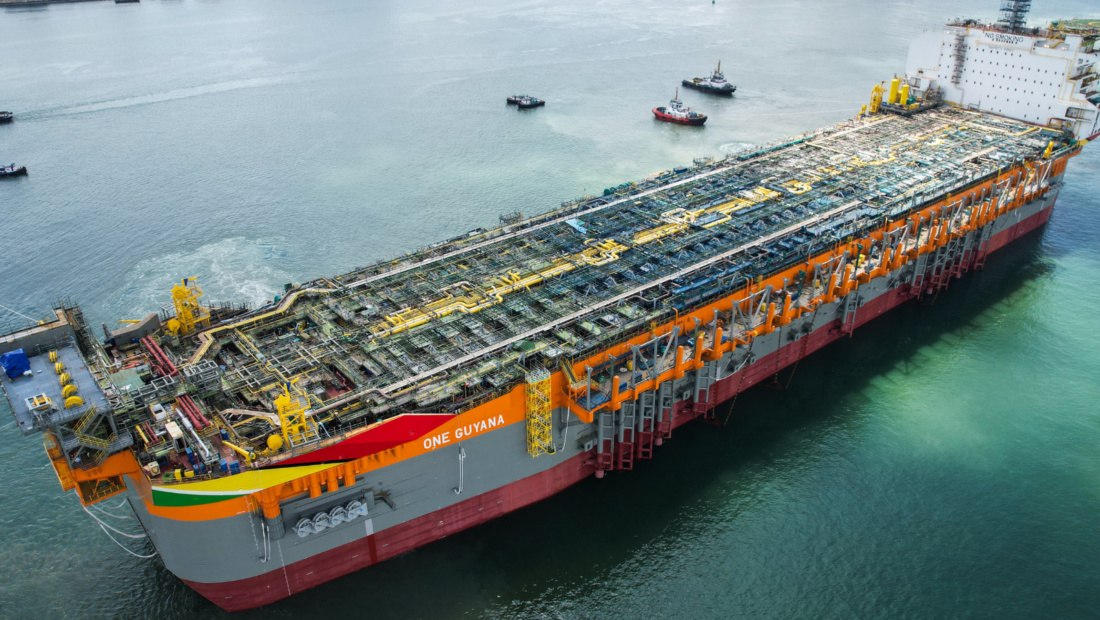
Guyana currently produces more than 900,000 barrels of oil daily from the Stabroek Block. Production is expected to increase further as additional offshore projects begin operations over the coming years.
While the number of barrels entering the market is important, the distance between producers and buyers is also creating opportunities for shipping companies.
Transporting crude from Guyana and other Western Hemisphere producers to Asian refineries requires vessels to remain at sea for longer periods. Those extended voyages reduce the number of trips each tanker can complete and increase the overall amount of shipping capacity required.
International Seaways Chief Executive Officer Lois Zabrocky discussed the trend during the tanker company’s second-quarter earnings call on Monday.
She said rising Western Hemisphere production was increasingly serving demand in the East, creating additional movement across major tanker categories.
The changing trade patterns are affecting very large crude carriers, Suezmax tankers and Aframax vessels. Charterers are increasingly substituting between different vessel sizes depending on cargo volumes, availability and shipping routes.
International Seaways is preparing for additional demand from the Americas. The company has ordered four long-range tankers scheduled for delivery during the second half of 2028, after ordering six similar vessels approximately three years ago.
Guyana’s offshore expansion could therefore generate wider commercial benefits beyond oil production itself. Tanker operators, marine insurers, ship-management companies, fuel suppliers and other service providers could benefit as the country sends more crude to international markets.
The scale of those opportunities will depend partly on future production growth, global oil demand and the destinations selected by companies marketing Guyana’s crude.