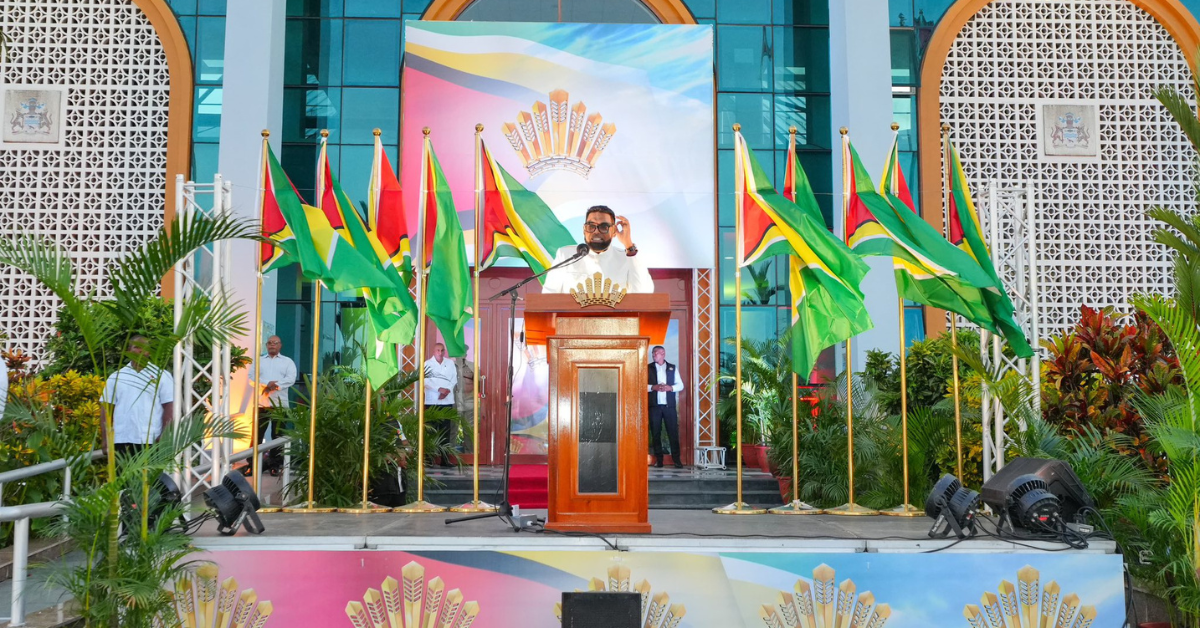
The Guyana Government on Tuesday evening revealed that the Guyana Development Bank, announced earlier in the year, would be seeded with US$200 million and would roll out zero-interest, zero-collateral microcredit targeted at small and medium-sized enterprises (SMEs), women-owned businesses, young entrepreneurs, and persons living with disabilities.
The President, Dr. Irfaan Ali, who made the announcement at the Arthur Chung Conference Centre (ACCC), while outlining his economic and social policy agenda for the next five years, said the programme would pair lending with structured support to help small operators become investment-ready and improve their ability to repay and scale.
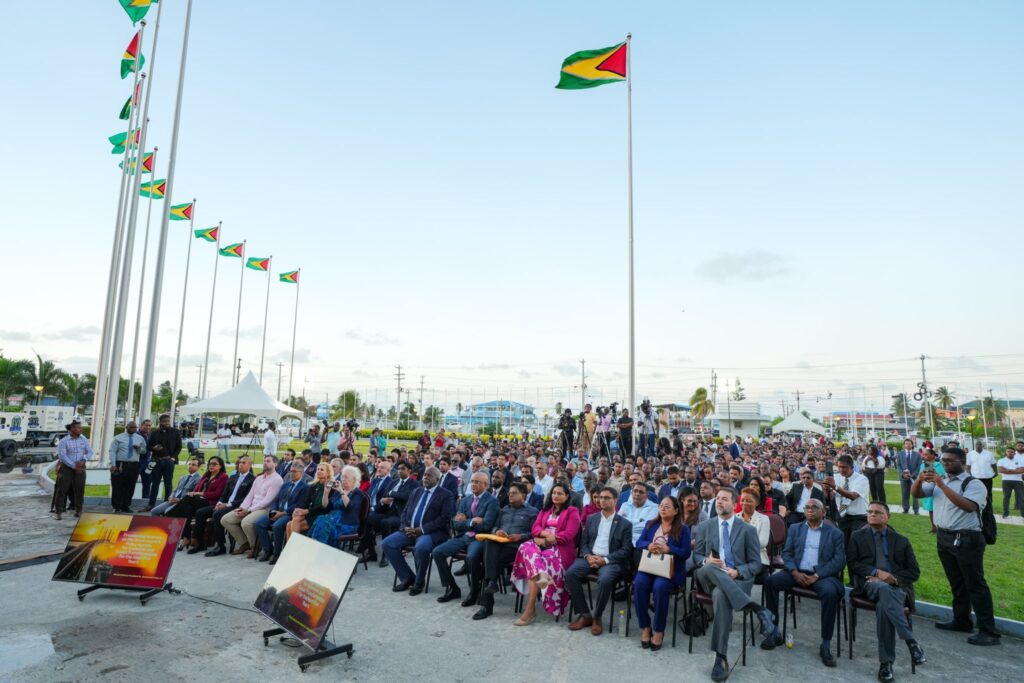
“We will not only be giving you loans, but we will also be providing you with mentorship, training, and the support needed to turn ideas into thriving businesses,” the Guyanese President told the gathering, adding that the bank would work closely with borrowers to improve the odds of success.
Under the model described, SMEs would be eligible for up to $3 million in financing at zero interest and without collateral. Ali said a co-financing mechanism would then allow qualifying borrowers to access an additional $7 million at preferential rates, creating a financing ceiling of $10 million per borrower.
The President said commercial banks have indicated they can lend to SMEs under the structure at interest rates “as low as 3.5%,” supported by government incentives.
“This will be supported by the government extending to the commercial banks similar fiscal concessions as are granted for the purpose of low-income housing… up to that value, the 10 million dollars,” Ali said.
The Head of State positioned the initiative as a bridge into conventional banking rather than a parallel system, arguing that many small operators have historically been shut out because they lacked collateral, structured records or bankable business proposals.
“The SME Bank will not be an ordinary microfinance institution… it will also not be a substitute for the formal banking system, but instead will be a stepping stone to the formal banking system,” he said.
The President said the bank’s lending priorities would focus on productive sectors including agriculture, tourism and hospitality, manufacturing, technology, and the orange economy, which he said can help Guyanese creatives and artisans convert their craft into income.
He also signalled operational support for borrowers, noting that a board of directors and technical team would be tasked with helping SMEs prepare credible business plans and loan applications.
“We will help you to convert your ideas into a bankable plan,” he said, suggesting the model is designed to address both capital constraints and the technical gaps that frequently derail early-stage ventures.
Beyond lending, Ali said the administration intends to widen banking reach through agent banking networks in remote communities and a modern payments ecosystem driven by digital banking and mobile wallets. The proposals, he said, are aimed at ensuring financial services are available “no matter where you live,” while bringing more economic activity into the formal system.
Ali also flagged potential updates to the legal and regulatory framework governing lending by banks and non-bank institutions, with the stated goal of removing remaining barriers to credit expansion.
He also referenced reforms to the Bank of Guyana to modernise operations, support financial inclusion and innovation, and safeguard stability.