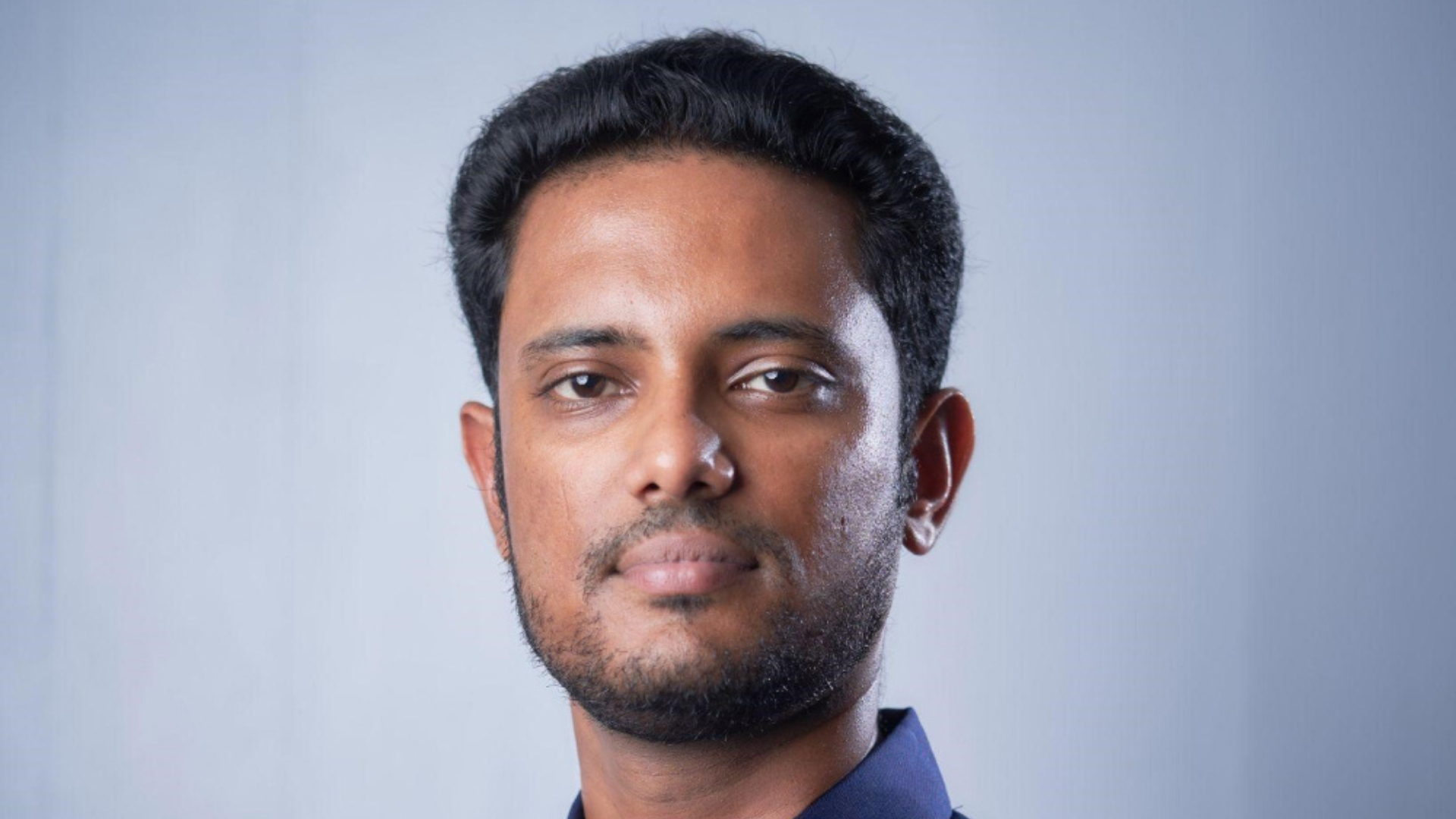
When Pritipaul Singh Jr. walked onto the BizX 2025 Awards stage in Houston, Texas, recently to collect Entrepreneur of the Year, the trophy didn’t just signal personal achievement.
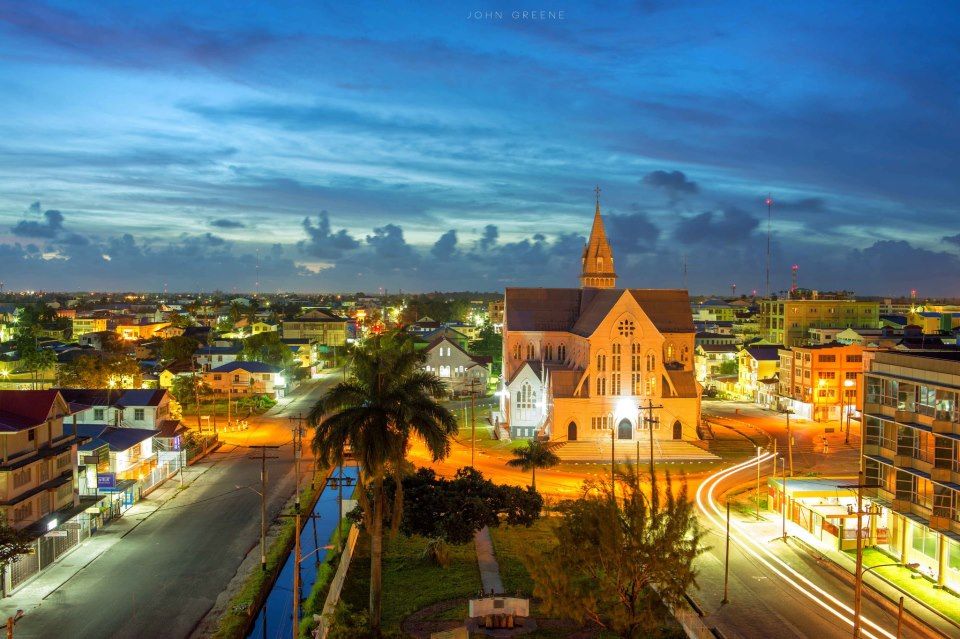
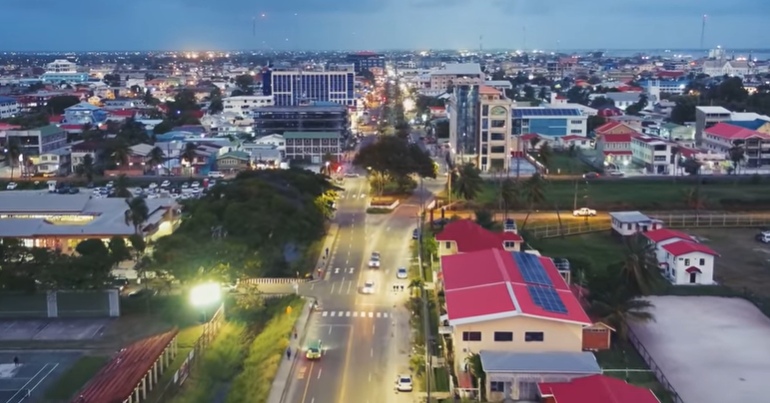
It spotlighted a bigger shift taking place back home: Guyana’s rapid emergence as a serious maritime and logistics frontier, and a new generation of leaders determined to build the infrastructure to match.
Singh, Managing Director of Guyana Port Inc. (GPI), describes the moment simply: “It’s very gratifying to be recognised internationally. A feather in my cap.”
But he is quick to frame the award as fuel, not the finish line, something that, in his words, pushes him “beyond” what he already believes he can do.
Long before the international applause, Singh’s foundation was built in the familiar environment of family business. He says his early working years alongside his father taught him the rhythm of enterprise, how to learn fast, stay curious, and keep raising the bar.
Then came the itch that separates inheritors from builders: the desire to prove himself outside the comfort of an established brand.
His first “vision,” he explains, wasn’t a polished corporate statement, it was personal. It was about “going beyond the scope” of what he knew, stepping into a new business arena that was still related enough to be realistic, but different enough to be demanding.
That hunger for challenge later matured into something broader: a company purpose tied not only to profit, but to people and nation-building. GPI’s stated vision is “Empowering people to shape a sustainable future through maritime, manufacturing & clean energy solutions.”
For Singh, the logic is strategic and geographic: Guyana is a water-access nation. Trade by sea remains the most cost-effective way to move heavy goods at scale, and as investment accelerates, oil and gas, manufacturing, infrastructure, shipping traffic and port demand inevitably rise.
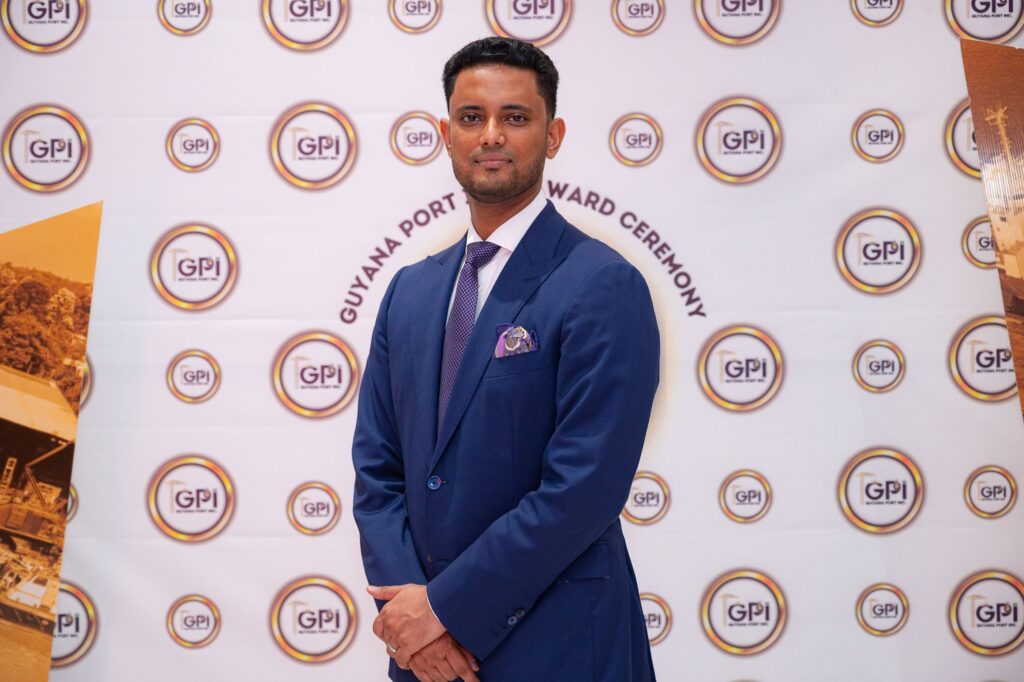
In that reality, he sees GPI as more than a service provider. He sees it as part of the country’s “gateway” system: the behind-the-scenes engine that helps commerce flow, keeps projects on schedule, and keeps vessels operational.
GPI, established in 2019 and commencing operations in 2021, says it became the country’s sole provider of a 2,000-metric-ton floating drydock, positioning itself in ship repair and related marine support services.
Ask Singh what GPI actually does, and he answers like a man mapping a blueprint.
First, ship repair, work spanning cargo vessels to platform supply vessels. Second, dredging, a less glamorous but essential function in a river-and-coast economy: maintaining ports, dredging rivers, and improving port efficiency.
Third, shipbuilding, a newer division aimed at supplying vessels to the local market and, eventually, the wider region. Public reporting in recent years has also tracked GPI’s expansion drive, including major investments in dredging and shipbuilding capacity and the commissioning of dredging assets, signalling that the company is betting on long-term maritime demand.
Singh speaks about entrepreneurship with the calmness of someone who has already absorbed enough pressure to stop romanticising the grind.
“The vision is the destination and the mission is the journey,” he says, before adding a line that reads like a motto etched into steel: “Every opportunity to fail is an opportunity to learn.”
He rejects the idea of a universal playbook. Every entrepreneur’s route is different, he insists, different industries, different constraints, different storms. The key is not avoiding failure, but responding to it with analysis and action: if a solution doesn’t work, find a better one; if the problem is too big, break it into pieces and solve it step by step.
In maritime work, the machinery is massive, the projects are complex, and the timelines are unforgiving. Yet Singh says one of the biggest challenges isn’t technical, it’s human.
He talks about the difficulty of finding people who fit the puzzle: growth-oriented staff who can solve problems that aren’t “systemised,” people who can think on their feet when conditions change quickly. In a fast-expanding economy, talent shortages aren’t abstract; they are operational.
His solution is both pragmatic and nationalistic: look beyond Guyana when necessary to bring in expertise, but use that experience to strengthen local capacity. The goal is not dependency, it’s knowledge transfer, so that fresh Guyanese talent can learn, advance, and eventually lead.
Perhaps the most revealing moment in Singh’s reflections is his blunt rejection of hustle-culture mood swings.
“I don’t get motivated. I am disciplined in being consistent.”
He describes discipline as the ability to wake up daily and tackle a challenge that may take a year to solve, without waiting to “feel” ready. It’s an old-school mindset in a modern, fast-growth environment: results come from repetition, not inspiration.
Looking forward, Singh’s focus remains fixed on the same thesis: more vessels will be plying Guyana’s waters; more services will be needed; more capacity must be built.
He points to infrastructure momentum and broader investment as signs that maritime demand will continue to rise and that shipbuilding and dredging will remain central to the country’s development.
His advice to entrepreneurs: get comfortable being uncomfortable. “Entrepreneurship is about being comfortable with the uncomfortable.”
Problems, he says, shouldn’t be treated as doom, they’re opportunities to learn, upgrade, and build new capability. If a challenge feels too large, break it down into smaller parts. Then smaller again. Keep cutting the knot until it becomes something you can solve.