Guyana’s approach to economic growth is increasingly drawing attention across the Caribbean, as regional economies reassess strategies for resilience, diversification, and investment attraction.
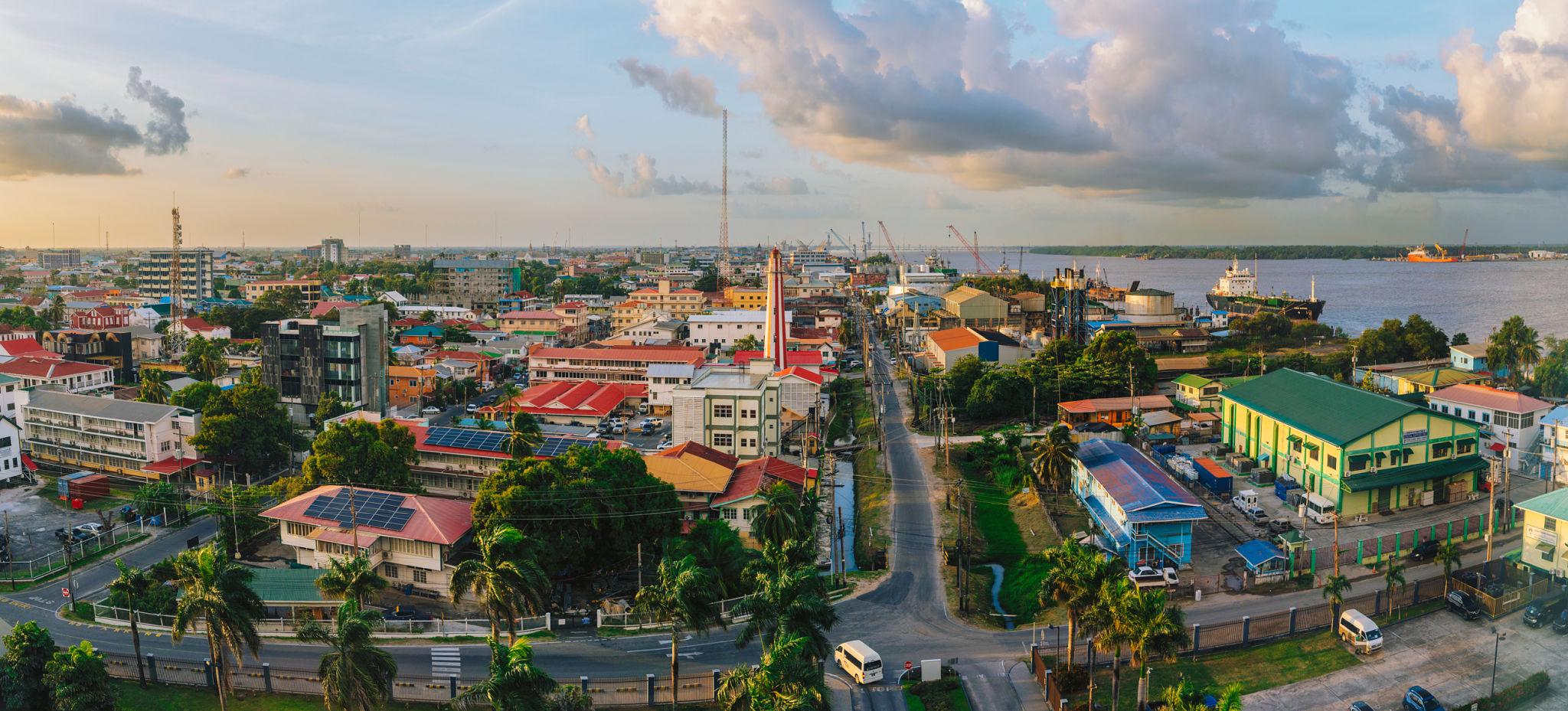
With sustained growth, expanding infrastructure, and disciplined fiscal management, Guyana has emerged as a reference point for how resource-driven expansion can be balanced with long-term development planning. Regional policymakers and investors are closely observing how Guyana links energy revenues to education, healthcare, housing, and infrastructure.
Unlike many small economies with limited fiscal space, Guyana has leveraged scale and sequencing, using early investment in energy and infrastructure to unlock private-sector growth in non-energy sectors. This model is increasingly relevant for Caribbean states navigating debt constraints and climate vulnerabilities.
Guyana’s emphasis on local content, skills development, and institutional strengthening has also resonated regionally. By integrating domestic businesses into growth sectors, the country has reduced leakage while building internal capacity.

The regional impact extends beyond policy observation. Guyana is emerging as a destination for Caribbean labour, professional services, and specialised healthcare, strengthening economic linkages across the region.
Investment flows are also becoming more interconnected. Regional firms in construction, logistics, hospitality, and services are increasingly viewing Guyana as a growth market rather than a peripheral opportunity.
As Caribbean economies seek pathways to sustainable growth, Guyana’s experience highlights the importance of policy clarity, execution capacity, and investment discipline. The country’s trajectory is reshaping regional conversations around what is possible in small-state development.