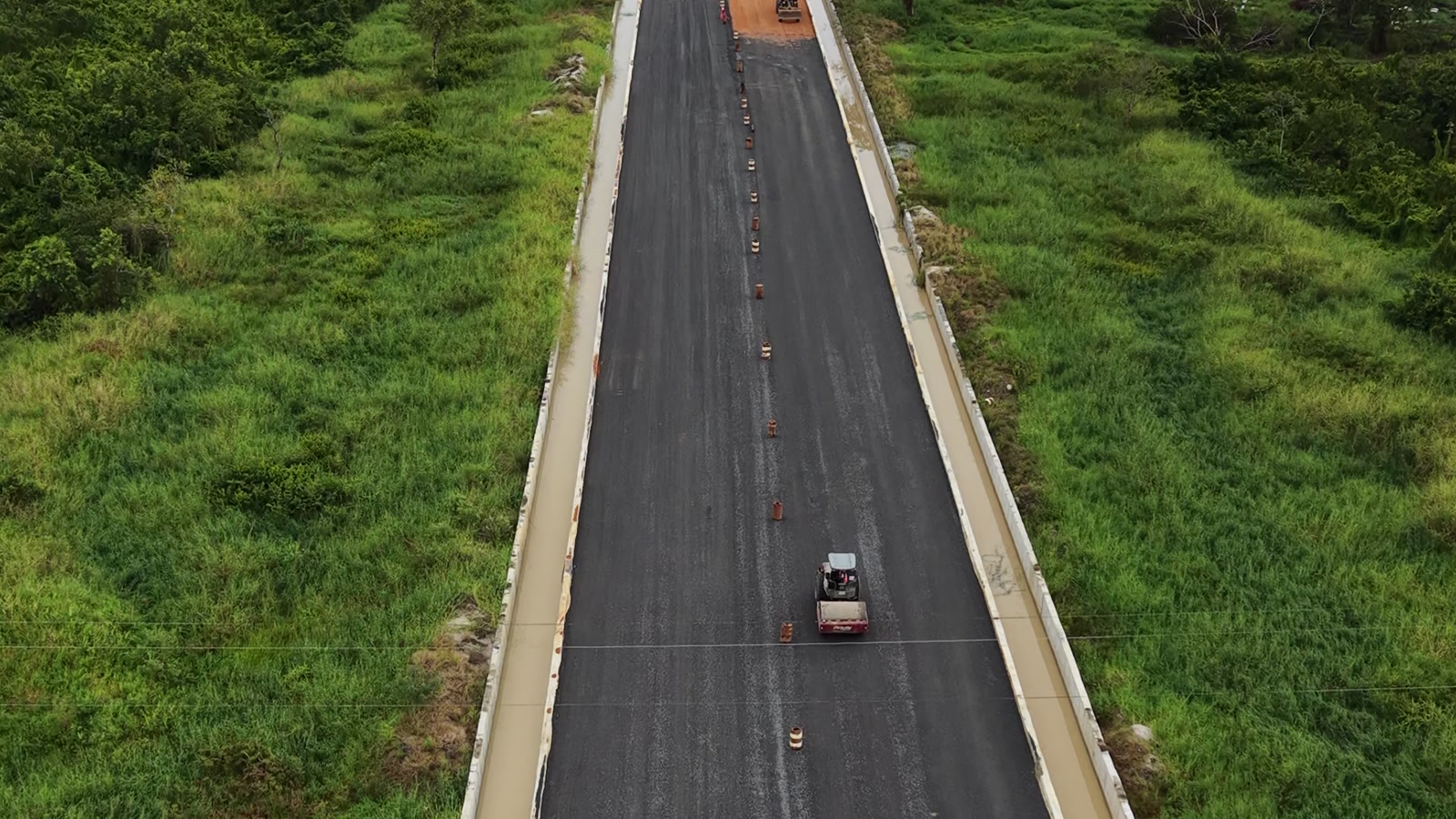
File image: East Bank Demerara roadworks, not the Region One projects.
Thirty-six road contracts worth G$720 million were signed in Port Kaituma on Wednesday, 25 November, giving local contractors a new set of works in Region One. The awards cover upgrades to roads within the community, according to DPI’s report of the signing.
A separate DPI report published the same day records 14 contracts worth G$80 million for concrete drains and culverts in Mabaruma and Bumbury Hill. Ten of those agreements concern drainage works. Both announcements concern signed contracts, not completed infrastructure.
For contractors, the immediate development is a book of public works to execute. For businesses using the roads, the benefit comes later: access that remains usable after the crews have left. The two packages address different parts of that task and should not be mistaken for a single road project.
The North West’s delivery chain
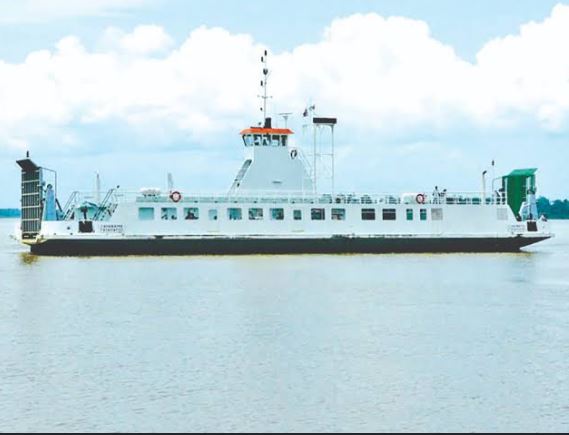
Road improvements in Region One sit within a wider transport system. The government’s 2023 Voluntary National Review described the region’s connections with Georgetown as air and water links, with roads concentrated around its urban centres and trails serving forestry and mining areas. The report also identified the cost of mobilising equipment and transporting materials as constraints on hinterland construction.
That background helps explain why the value of a community road is not measured only in kilometres. For a supplier, the journey does not necessarily end when goods reach a landing. Moving a load onward to a shop, building site or customer is another part of the delivery. An improved local link can help with that leg without changing the cost or timetable of the river journey itself.
Current shipping charges and vessel availability will still affect deliveries. Neither signing report provides an estimate of freight savings from the new local works.
At the Port Kaituma ceremony, Public Works Minister Juan Edghill called for timely, proper execution and urged contractors to engage residents before starting, limiting disruption during construction. A shop or transport business can lose access while a road is being improved. Sequencing the work around the people using the route is therefore part of delivering the benefit, rather than a separate courtesy.
Drainage has its own timetable
In Mabaruma and Bumbury Hill, the stated purpose of the concrete drains and culverts is to reduce flooding and protect community infrastructure. DPI describes fixed-rate contracting in the region and reports a three-month deadline for the new works. Edghill expressed hope that they could be finished before Christmas; that is an earlier aspiration, not a replacement for the reported contractual period.
The Mabaruma and Bumbury Hill drainage works are separate from the Port Kaituma roads; the reports do not link them as one scheme.
Individual road lengths, contractor prices and work programmes have not been published with the reports. Suppliers assessing orders will need the specifications, mobilisation plans and payment terms for the contracts they expect to serve.
In Port Kaituma, maintaining access while crews work will matter to shops, transport operators and their customers. In Mabaruma and Bumbury Hill, residents will be looking for the drainage improvements before the next period of heavy rain. Contractors now have the agreements; completing the work to specification is the task ahead.