Guyana’s ongoing economic expansion is not only increasing output but also expanding the country’s productive capacity, reshaping the scale at which the economy operates.
Compared with five years ago, higher levels of public spending, private investment, and population growth have expanded demand across multiple sectors. Construction, services, agriculture, and trade now operate at significantly higher volumes, reflecting a larger and more active domestic market.
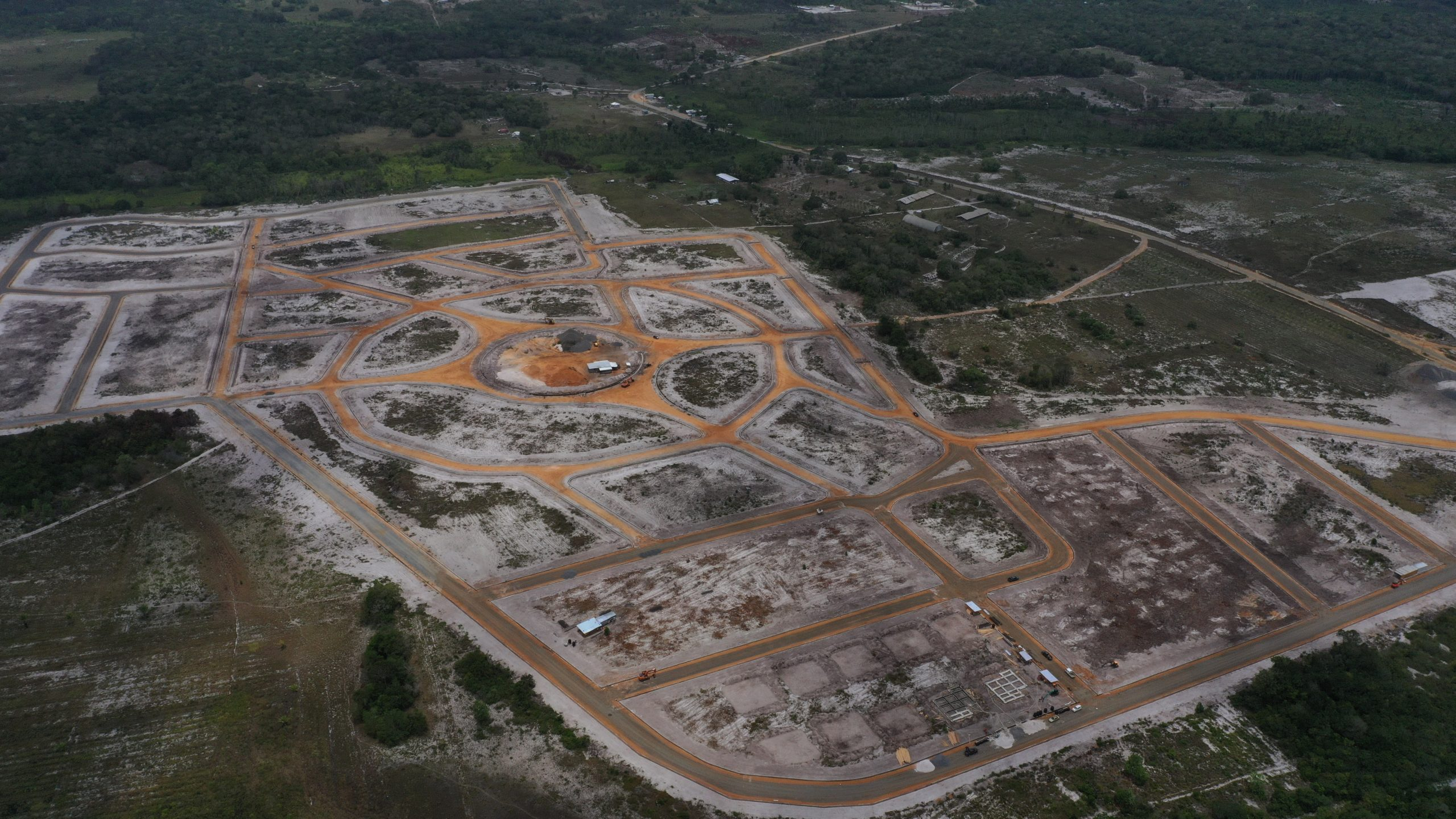
Infrastructure development has played a central role in this shift. Improved roads, housing stock, and public facilities have enabled higher economic throughput, allowing businesses to operate more efficiently and serve expanding communities. These improvements have reduced logistical constraints and increased economic participation across regions.
Labour demand has risen alongside economic activity, increasing employment opportunities and household income. Higher income levels have supported growth in consumption-driven sectors such as retail, transport, and services, reinforcing domestic demand.
The expansion of economic capacity has also placed new demands on utilities, skills development, and public services. Managing growth now requires a focus on maintenance, workforce training, and institutional capacity to sustain expansion without bottlenecks.
From a development perspective, the economy is transitioning from small-scale activity to a more complex, interconnected system. As capacity expands, productivity improvements and efficient resource allocation become increasingly important to maintaining momentum.
The current growth phase reflects a broader transformation in economic scale rather than just short-term acceleration. How effectively this expanded capacity is managed will shape Guyana’s long-term development outcomes.