Over the past five years, Guyana has undergone one of the most significant economic transformations in its modern history, shifting from steady, resource-based growth to becoming one of the fastest-growing economies globally.
In 2019, Guyana’s economy was largely defined by traditional sectors such as agriculture, mining, public services, and modest construction activity. Growth rates were positive but moderate, constrained by limited fiscal space, infrastructure gaps, and dependence on a narrow production base. Public investment was cautious, while private-sector expansion was incremental.
By contrast, the economic landscape in 2024 and 2025 reflects a markedly different reality. Economic output has expanded rapidly, supported by offshore petroleum production, increased public spending, and expanding activity across non-oil sectors. Government revenues have grown substantially, enabling larger investments in infrastructure, housing, healthcare, education, and social services.
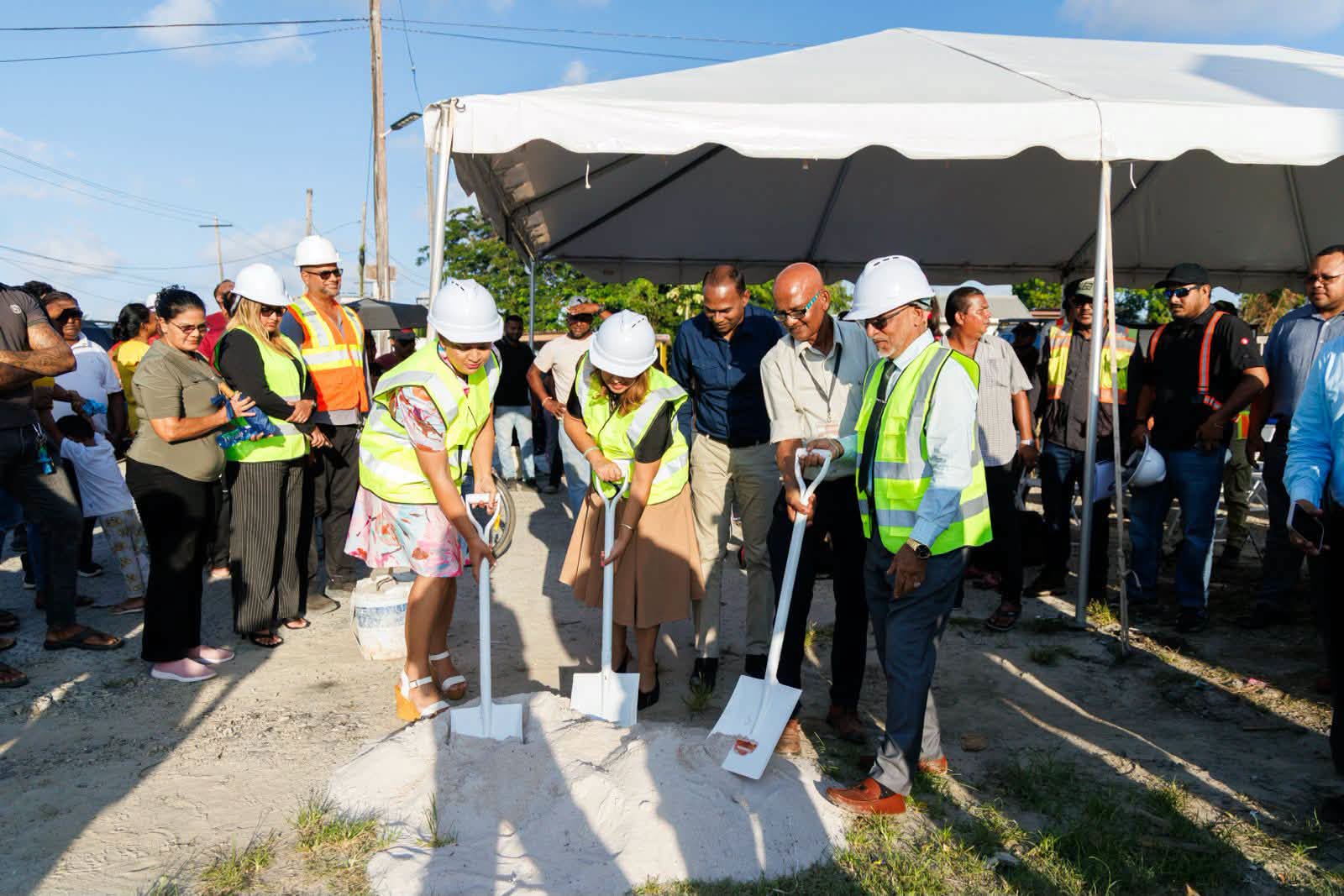
Five years ago, large-scale infrastructure development was relatively limited in scope. Road networks, bridges, and public facilities were often developed gradually due to funding constraints. Today, infrastructure expansion has accelerated nationwide, improving connectivity between regions and supporting higher levels of economic activity. These developments have also contributed to employment growth and increased demand across construction and services.
The structure of the economy has also evolved. In 2019, non-oil sectors accounted for nearly all economic output, but productivity challenges and limited capital investment constrained growth. Today, while petroleum contributes significantly to national output, non-oil sectors such as construction, agriculture, manufacturing, and services have expanded in absolute terms, benefiting from increased domestic demand and improved infrastructure.
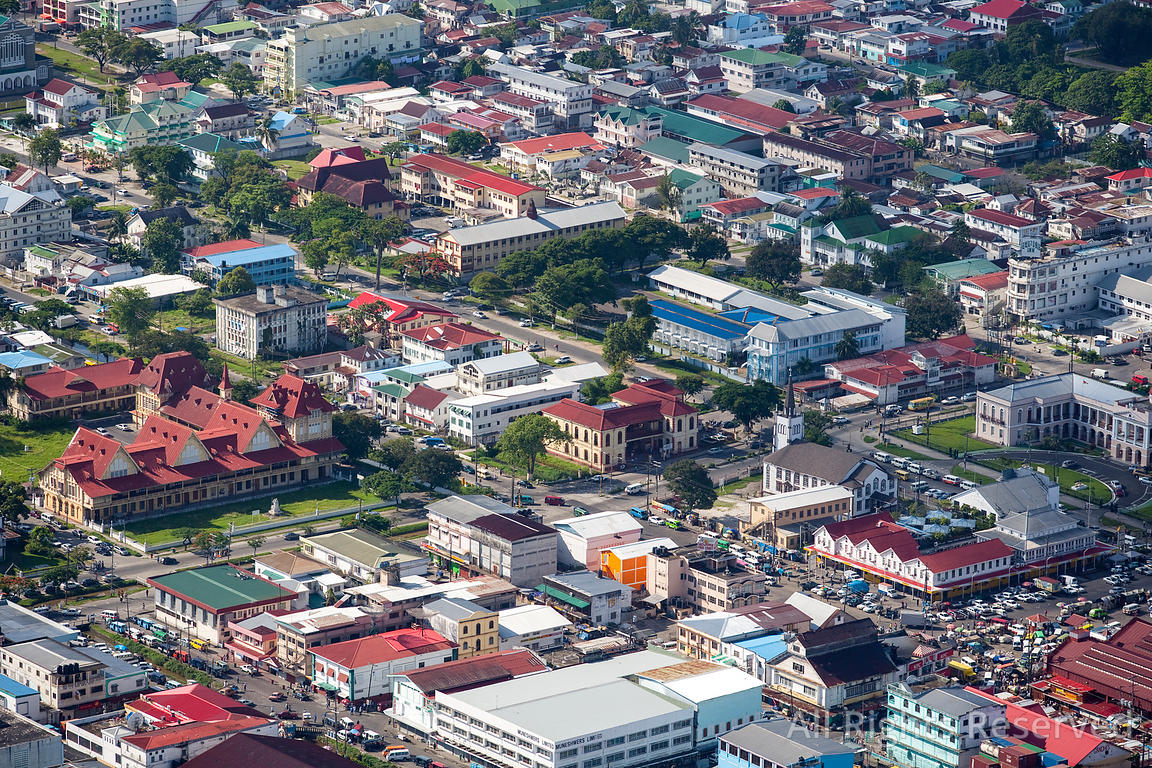
Living standards and economic activity have also shifted noticeably over the period. Population growth, urban expansion, and rising household consumption have supported the development of new residential areas, commercial centres, and service industries. Increased economic activity has placed greater pressure on utilities and public services, prompting further investment to meet growing demand.
Fiscal capacity represents another key difference between the two periods. Five years ago, budgetary resources were more constrained, limiting the scale of public investment and social programmes. Today, improved revenue flows have enabled higher capital expenditure and expanded social spending, although policymakers continue to emphasise the importance of long-term sustainability and prudent management.
Despite the scale of change, challenges remain. Rapid growth has increased demand for skilled labour, infrastructure maintenance, and effective planning. Managing inflationary pressures, ensuring inclusive development, and maintaining economic stability remain ongoing priorities.
Overall, the comparison between Guyana’s economy today and five years ago highlights a fundamental shift in scale, capacity, and opportunity. The country has moved from steady, resource-dependent growth to an accelerated phase of expansion, with greater fiscal flexibility and development potential. How this growth is managed in the coming years will shape Guyana’s long-term economic trajectory.