
Just a decade ago, Guyana was rarely mentioned in international investment circles. It was seen as a small agricultural economy on the fringe of South America — rich in natural resources, but largely overlooked.
Today, that perception has changed dramatically.
With offshore oil production, rising incomes, and billions of dollars in new infrastructure, Guyana is undergoing one of the most rapid economic transformations in the hemisphere. But what makes the country especially interesting is not just how fast it is growing — it is how it is changing.
A Country in Motion
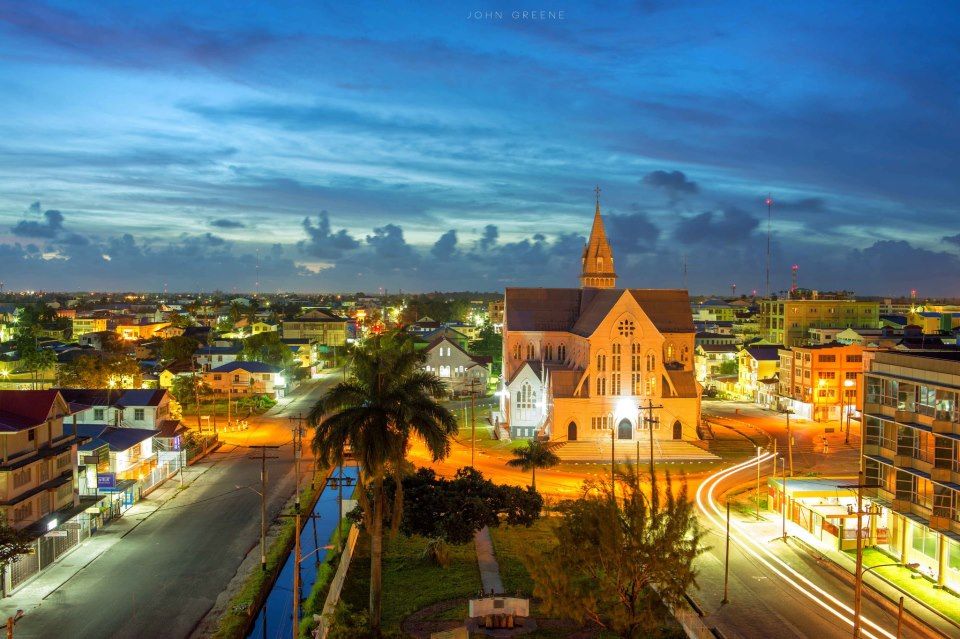
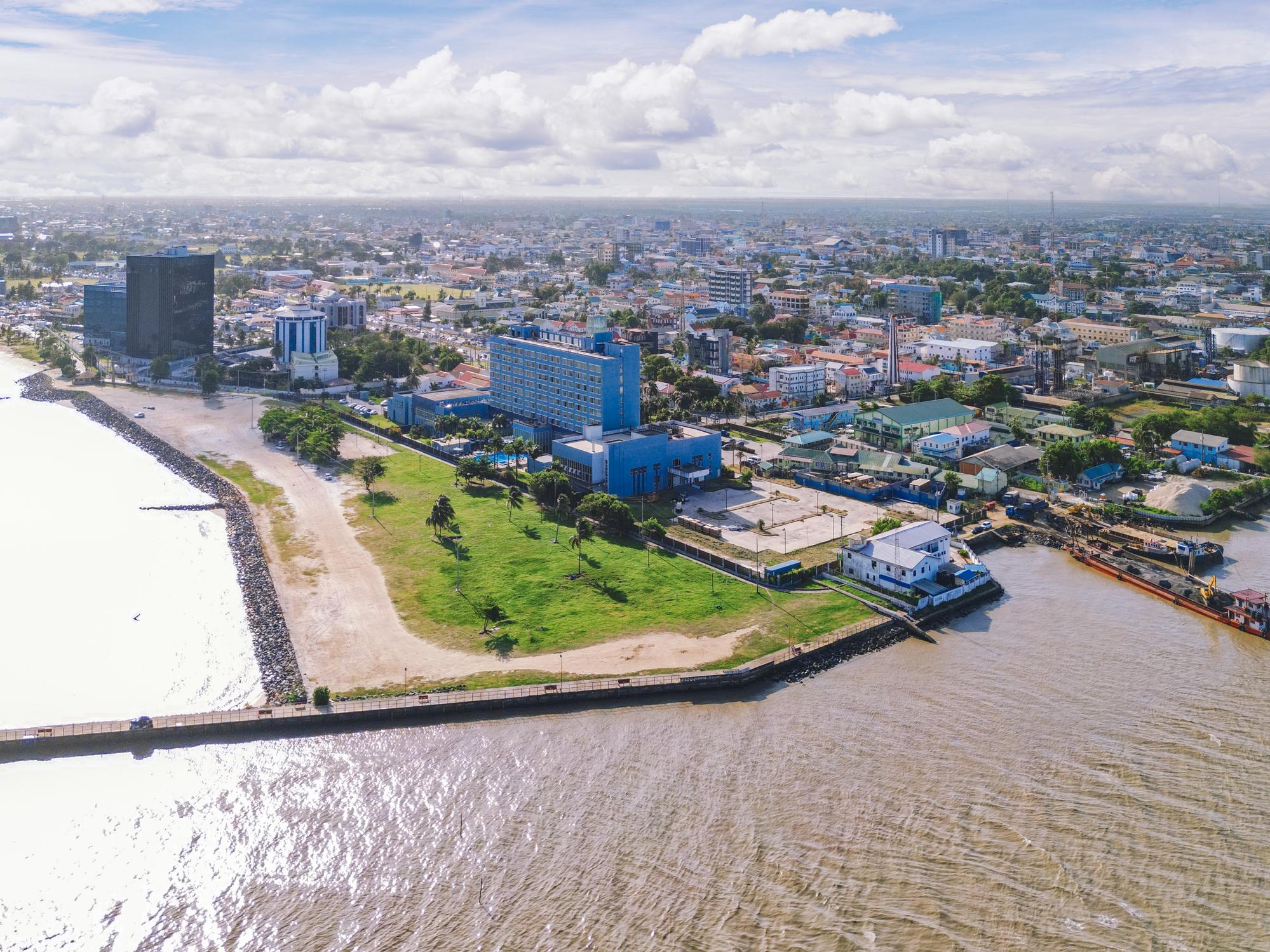
Drive through Georgetown, Eccles, Providence, or Diamond today and the change is unmistakable. Cranes dot the skyline. New hotels rise along the coast. Warehouses and distribution centers appear where open land once stood.
These are not isolated projects. They are part of a broader shift toward a modern service-driven economy.
• Banks are expanding their loan books
• Supermarkets and retail chains are scaling
• Developers are building mid-range and luxury housing
• Logistics firms are investing in fleets and warehouses
Guyana is no longer just exporting commodities. It is building cities, services, and consumer markets.
Oil Lit the Fuse — But It’s Not the Whole Story
Oil was the catalyst. There is no denying that.
But the real economic story is happening onshore.
Oil revenues are financing:
• Roads and bridges
• Power plants and utilities
• Port upgrades
• Hospitals and schools
Those investments, in turn, are unlocking private capital. Developers, lenders, retailers, and manufacturers now have the confidence to deploy long-term capital because the foundations of the economy are being strengthened.
In many ways, Guyana is following the same path taken by countries like Norway, Qatar, and the UAE — using energy wealth to build a diversified national economy.
A Magnet for the Diaspora
One of the quiet drivers of growth is the return of the Guyanese diaspora.
Thousands of Guyanese living in North America, Europe, and the Caribbean are now:
• Buying property
• Starting businesses
• Sending capital back home
• Relocating permanently
They bring not just money, but skills, international networks, and modern business practices. This is accelerating the professionalization of the economy and raising expectations across sectors.

A New Kind of Investor Is Arriving
The Guyana of today is attracting a different type of investor than in the past.
Instead of just small traders or commodity exporters, the country is now seeing:
• Institutional real estate investors
• Hospitality brands
• Infrastructure funds
• Logistics operators
• Technology service providers
These players do not move quickly — but when they commit, they stay. Their presence is a sign that Guyana has crossed a threshold into serious investment territory.
Challenges Remain — But So Does Opportunity
Of course, rapid growth brings challenges.
There are:
• Skills shortages
• Housing pressures
• Traffic congestion
• Regulatory bottlenecks
But these are the problems of an economy that is expanding, not stagnating.
For entrepreneurs and investors, these gaps are not obstacles — they are opportunities. Every bottleneck is a potential business. Every shortage is a market waiting to be served.
The Bigger Picture
Guyana is not just getting richer.
It is becoming more complex, more connected, and more globally relevant.
That is the hallmark of a country moving from frontier market to emerging investment destination.
And for those paying attention, the real opportunity is not in what Guyana was — but in what it is becoming.