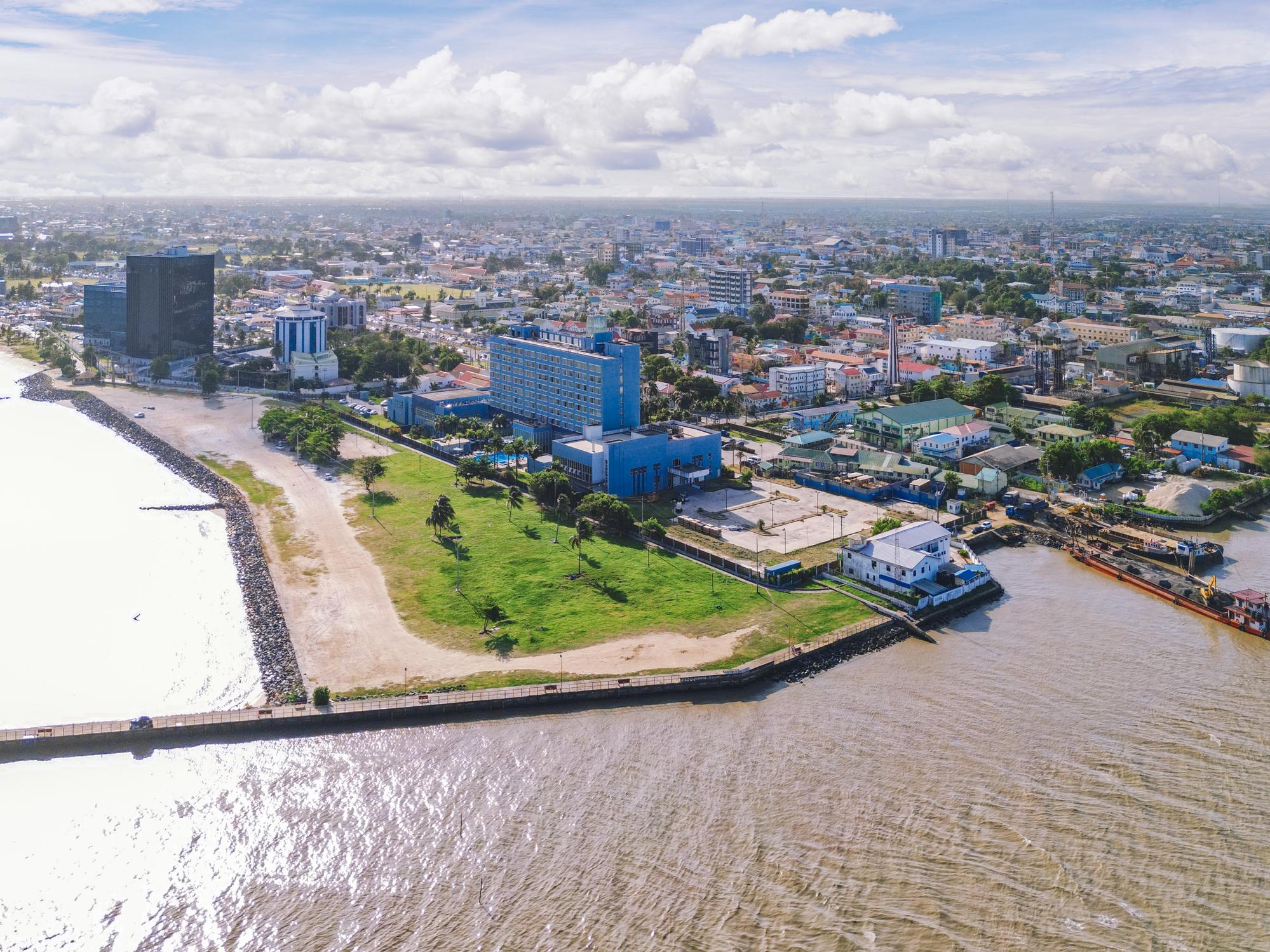

The University of Guyana’s announcement of a new Master’s degree in Transportation Management beginning in February 2026 is more than just an academic development — it is a direct response to a rapidly changing economy.
Guyana is undergoing one of the largest infrastructure build-outs in the Caribbean and South America:
• New highways and bridges
• Port expansions
• Oil-and-gas supply chains
• Cross-border trade with Suriname and Brazil
• A fast-growing import and export economy
This has created enormous demand for:
• Fleet managers
• Port logistics specialists
• Supply chain planners
• Transport regulators
• Infrastructure project managers
The MSc in Transportation Management is designed to train professionals in:
• Transportation policy
• Logistics systems
• AI-based route planning
• Cost optimization
• Trade and regulatory compliance
Why This Matters for Business
In developing economies, logistics inefficiency can destroy profits faster than taxes or competition.
Delays at ports, poor trucking networks, and bad route planning inflate:
• Food prices
• Construction costs
• Retail prices
• Export competitiveness
By training a new generation of logistics professionals, Guyana is quietly laying the foundation for:
• Lower business costs
• Faster trade
• More competitive exports
• Stronger regional integration
For investors in warehousing, transport, ports, trucking, and distribution, this is an important signal:
Guyana is building the human capital needed to support a modern supply-chain economy.